SLAC researchers are experts in a broad range of scientific disciplines, including X-ray and ultrafast science, physics of the universe, advanced accelerators, energy sciences, science of life and new technologies.
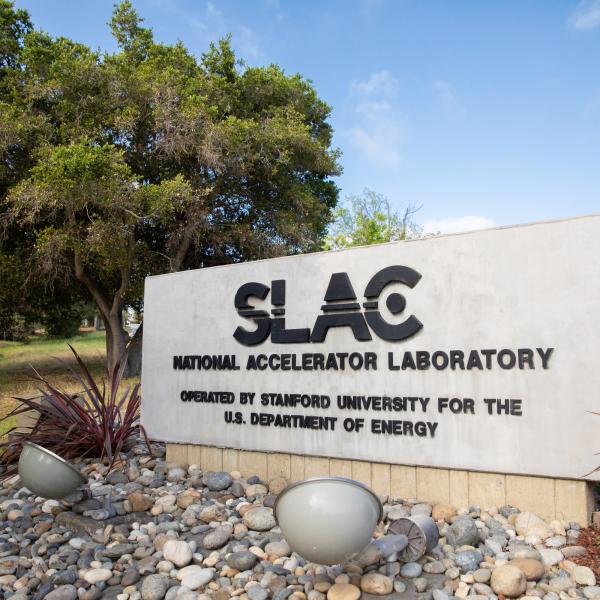
The name SLAC National Accelerator Laboratory pays homage to the legacy of the lab and its connection to Stanford University and the Department of Energy (DOE).
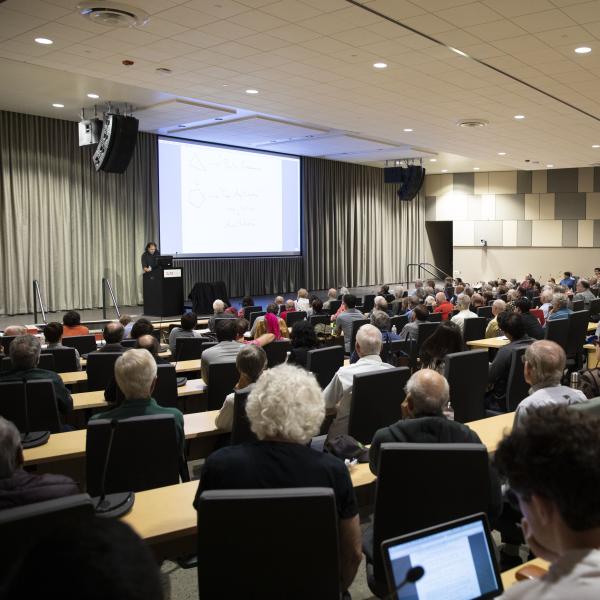
Ever wonder what goes on at SLAC National Accelerator Laboratory? The SLAC Public Lecture Series is your chance to find out! The evening lectures highlight the lab’s cutting-edge science.
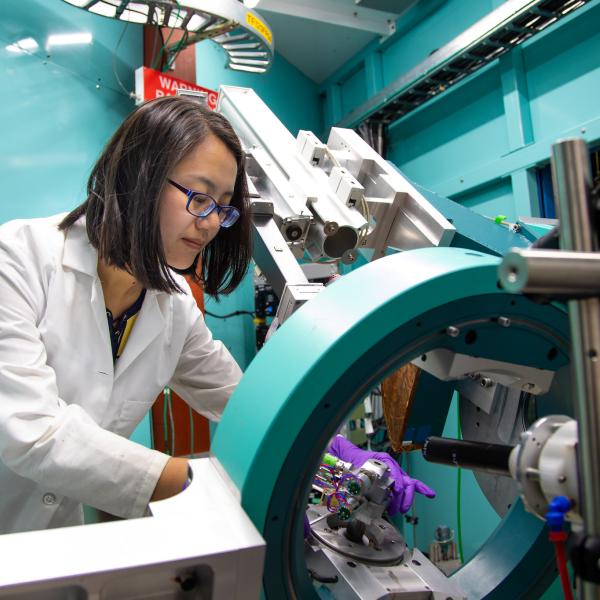
SSRL produces extremely bright X-ray light for probing our world at the atomic and molecular level. More than 1,600 scientists from all over the world use it each year for research that spurs advances in medicine, energy production, environmental cleanup...
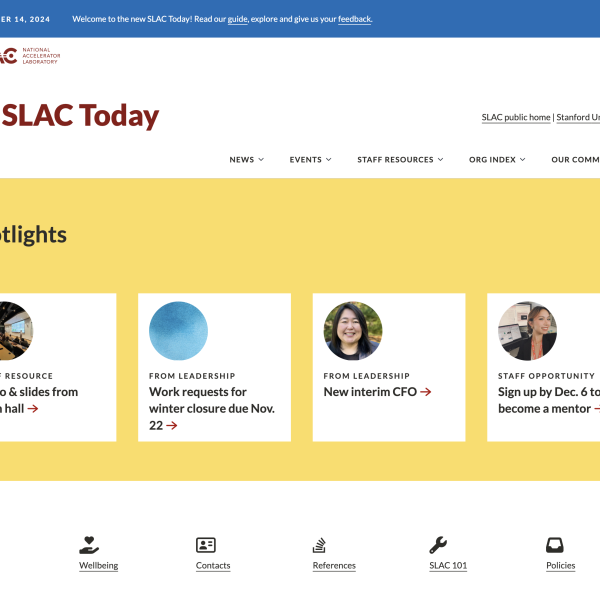
The SLAC Today website is an intranet homepage for employees and requires authentication to access. It’s where you can find employee news and announcements, staff events, community bulletin board posts, access notices, the staff resources page and more.
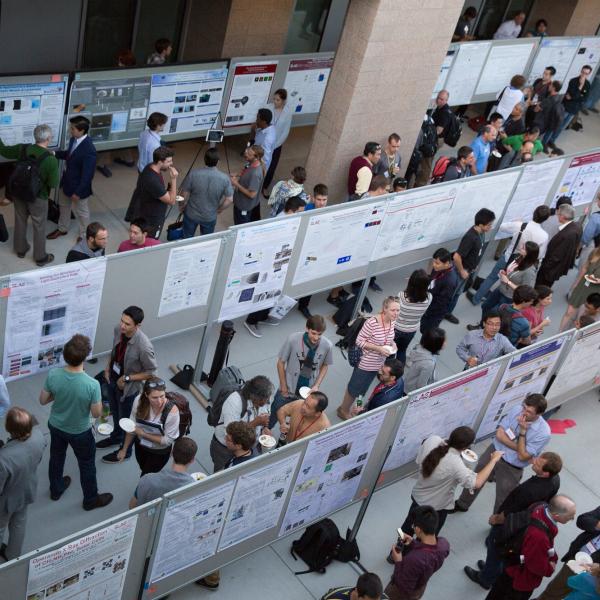
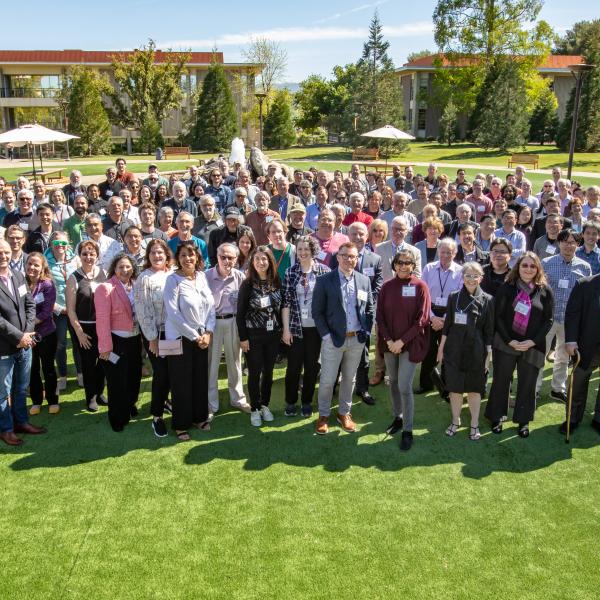
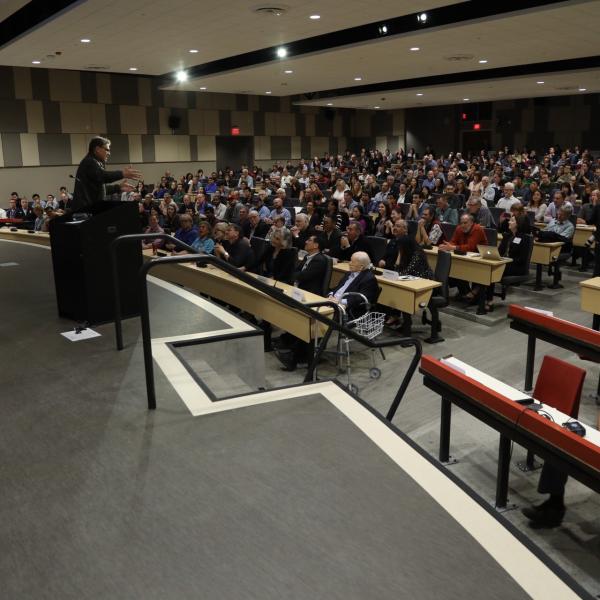
SLAC hosts a range of exciting events to raise awareness, inform, educate and connect with sitewide staff, Stanford, local communities and the general public.