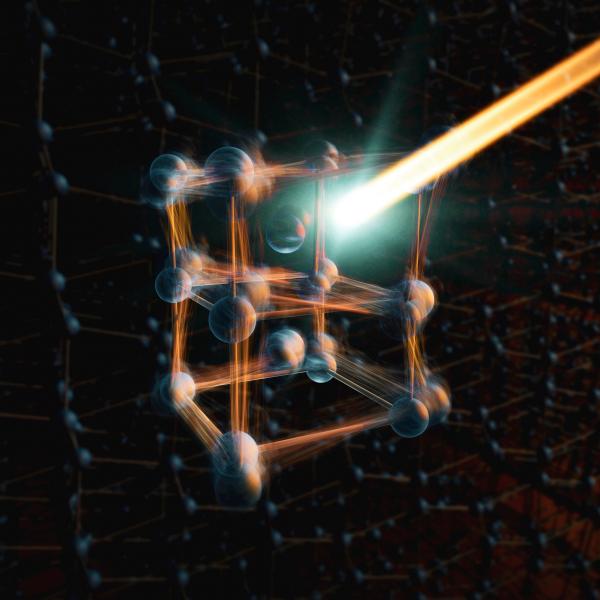
Revealed for the first time by a new X-ray laser technique, their surprisingly unruly response has profound implications for designing and controlling materials.
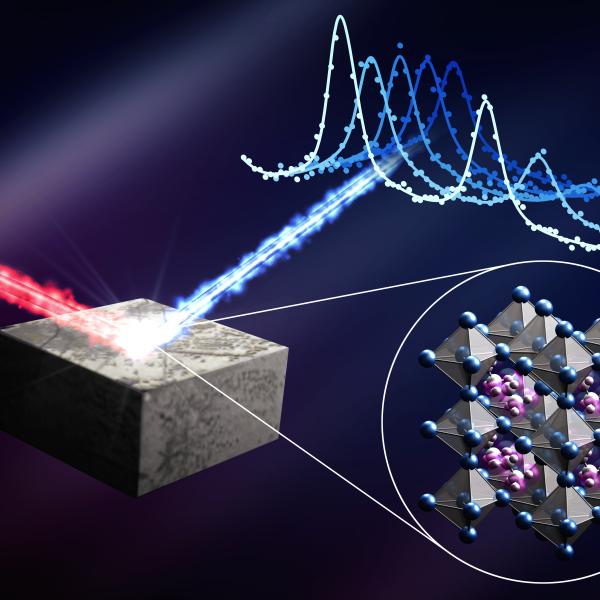
A new study is a step forward in understanding why perovskite materials work so well in energy devices and potentially leads the way toward a theorized “hot” technology that would significantly improve the efficiency of today’s solar cells.
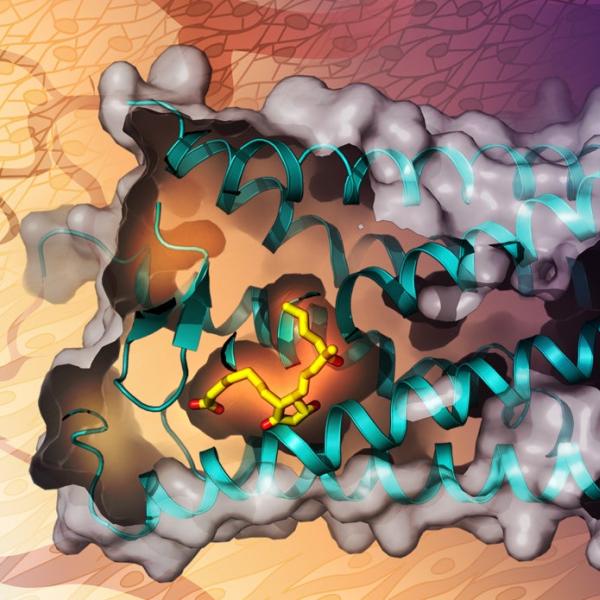
In a major step forward, SLAC’s X-ray laser captures all four stable states of the process that produces the oxygen we breathe, as well as fleeting steps in between. The work opens doors to understanding the past and creating a...
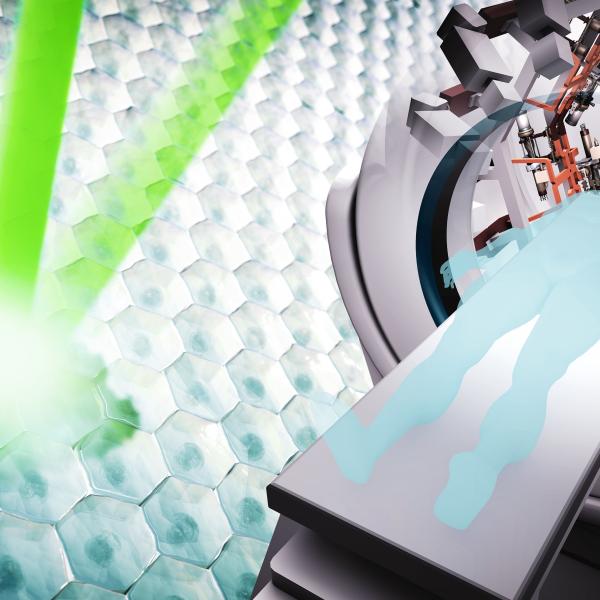
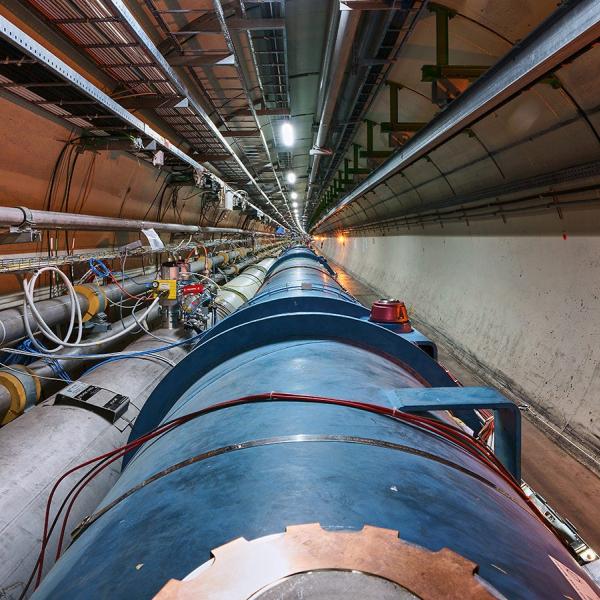
SLAC and Stanford researchers secure support for two projects that share one goal: to reduce the side effects of radiation therapy by vastly shrinking the length of a typical session.
The SIMES researcher was a rare theorist who concerned himself with the implications of his abstract ideas about new quantum states of matter on experiments and future technologies.
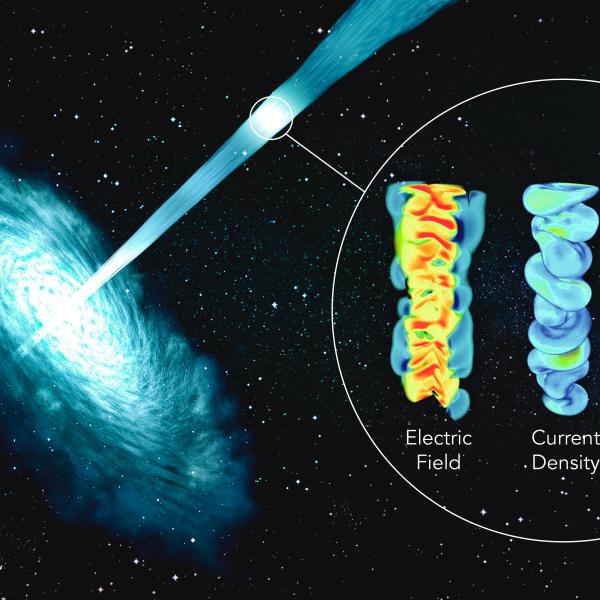
SLAC scientists find a new way to explain how a black hole’s plasma jets boost particles to the highest energies observed in the universe. The results could also prove useful for fusion and accelerator research on Earth.