Called XLEAP, the new method will provide sharp views of electrons in chemical processes that take place in billionths of a billionth of a second and drive crucial aspects of life.
A new understanding of the nucleation process could shed light on how the shells help microbes interact with their environments, and help people design self-assembling nanostructures for various tasks.
What they learned could lead to a better understanding of how antibiotics are broken down in the body, potentially leading to the development of more effective drugs.
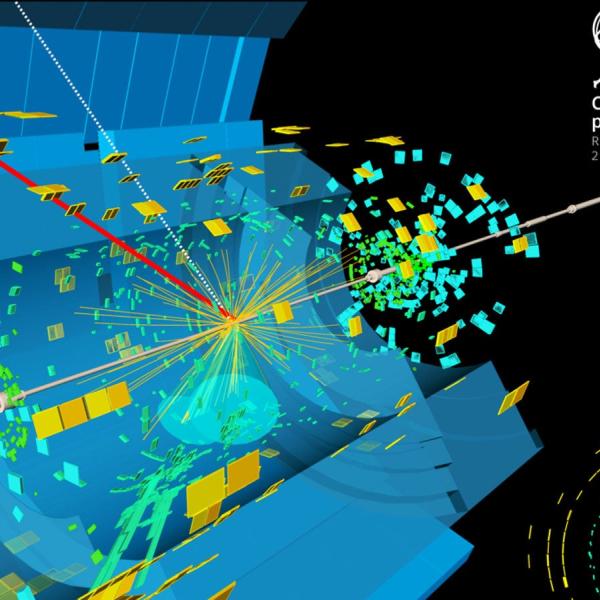
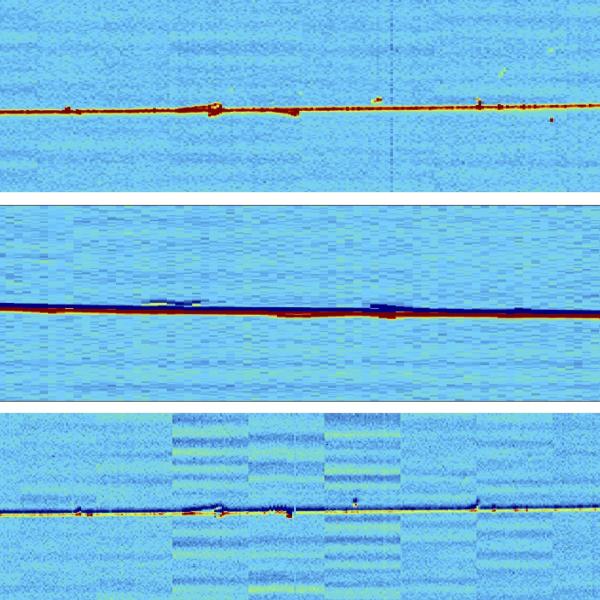
Researchers from SLAC and around the world increasingly use machine learning to handle Big Data produced in modern experiments and to study some of the most fundamental properties of the universe.