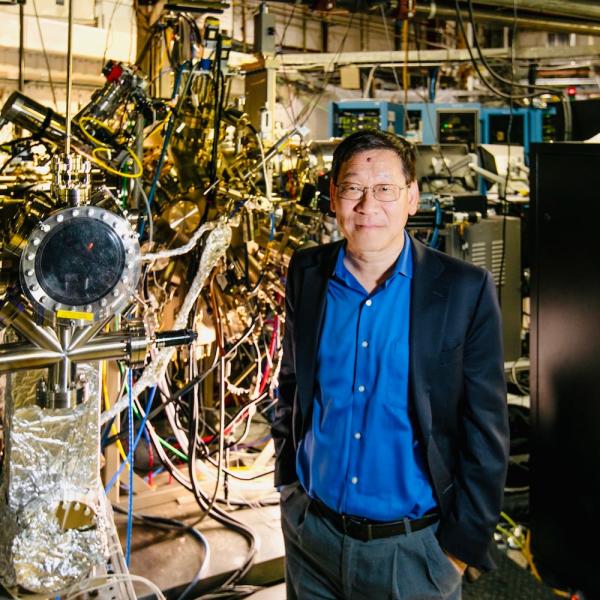
Chung is being recognized for pathbreaking contributions to the study of proteins involved in Parkinson’s and Alzheimer’s diseases and for mentoring the next generation of synchrotron scientists.
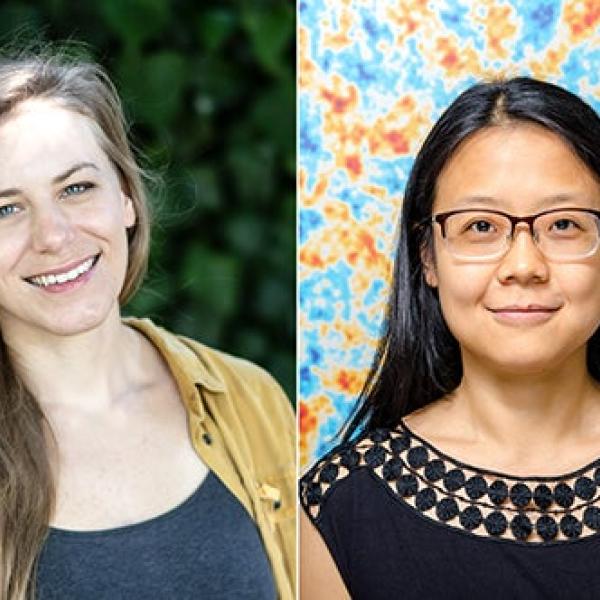
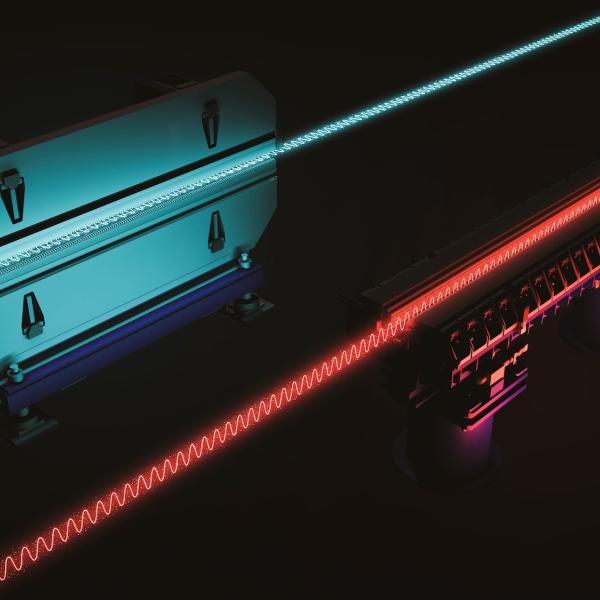
Their work uses machine learning to transform the way scientists tune particle accelerators for experiments and solve longstanding mysteries in astrophysics and cosmology.
Q-NEXT will tackle next-generation quantum science challenges through a public-private partnership, ensuring U.S. leadership in an economically crucial arena.
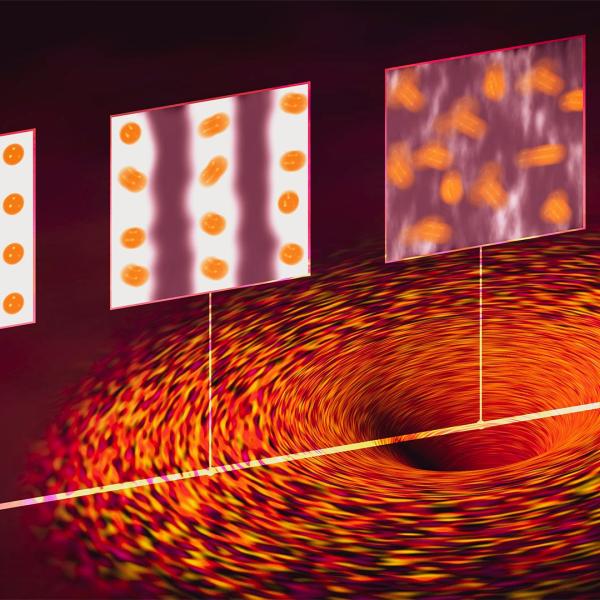
Theory suggests that quantum critical points may be analogous to black holes as places where all sorts of strange phenomena can exist in a quantum material. Now scientists are trying to pin down where this particular quantum critical point might...
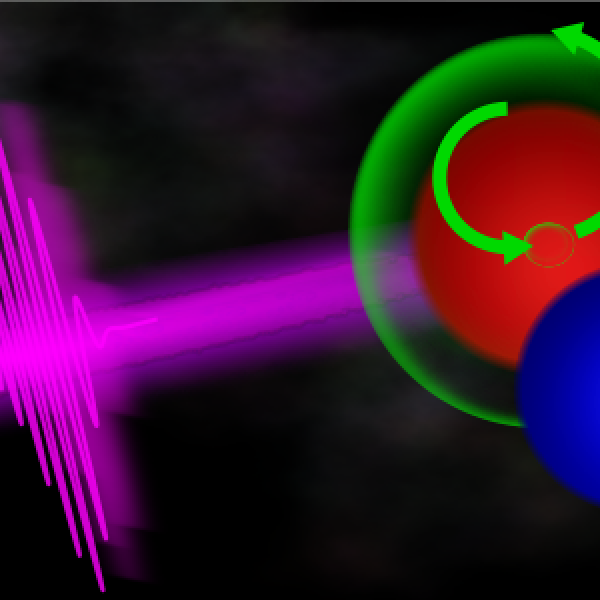
Researchers demonstrate a new ability to drive and track electronic motion, which is crucial to understanding the role of electrons in chemical processes and how quantum coherence evolves on the shortest timescales.