Scientists have documented a process that makes these next-gen batteries lose charge – and eventually some of their capacity for storing energy – even when a device is turned off.
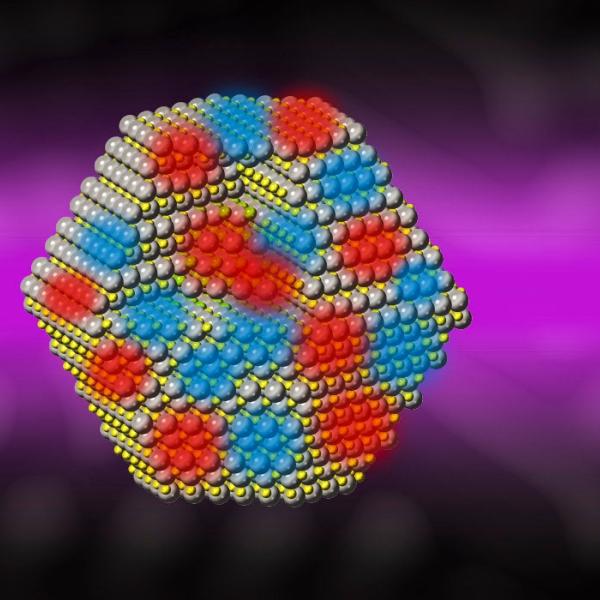
The results have important implications for today’s TV and display screens and for future technologies where light takes the place of electrons and fluids.
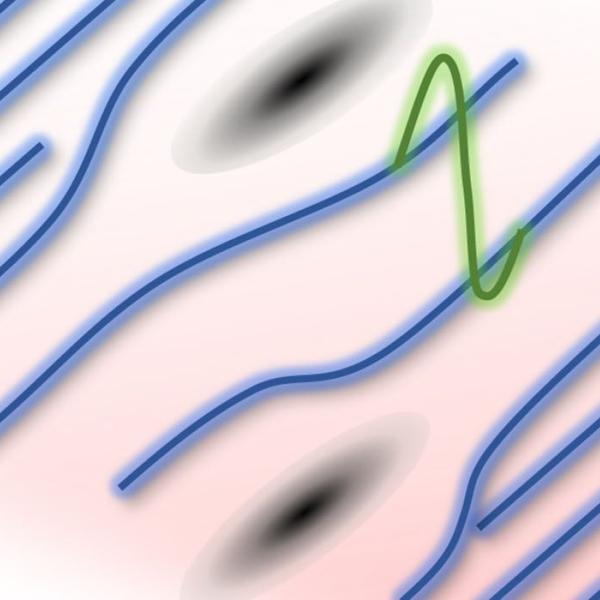
It can help operators optimize the performance of X-ray lasers, electron microscopes, medical accelerators and other devices that depend on high-quality beams.
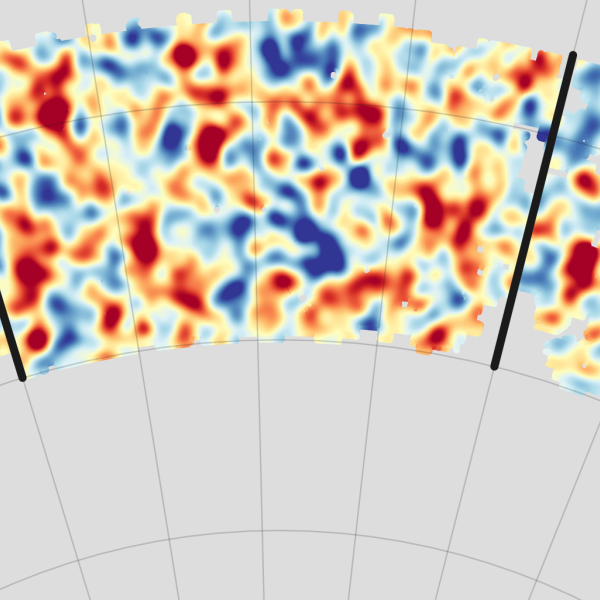
For the first time, DES scientists can combine measurements of the distribution of matter, galaxies, and galaxy clusters to advance our understanding of dark energy.
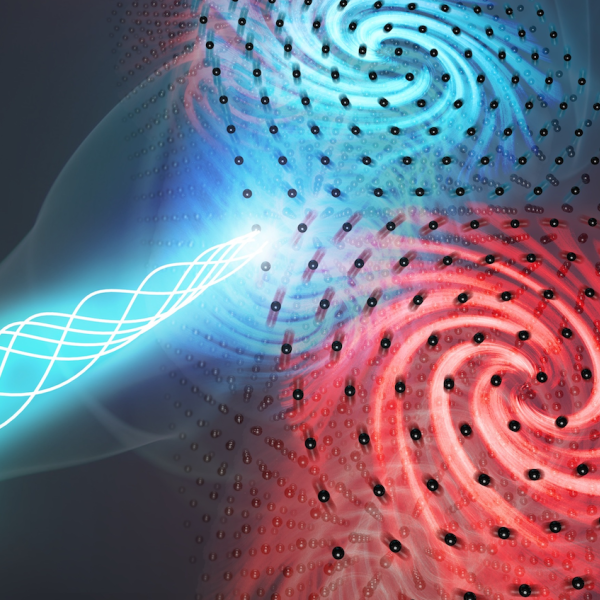
It’s an example of how surprising properties can spontaneously emerge in complex materials – a phenomenon scientists hope to harness for novel technologies.
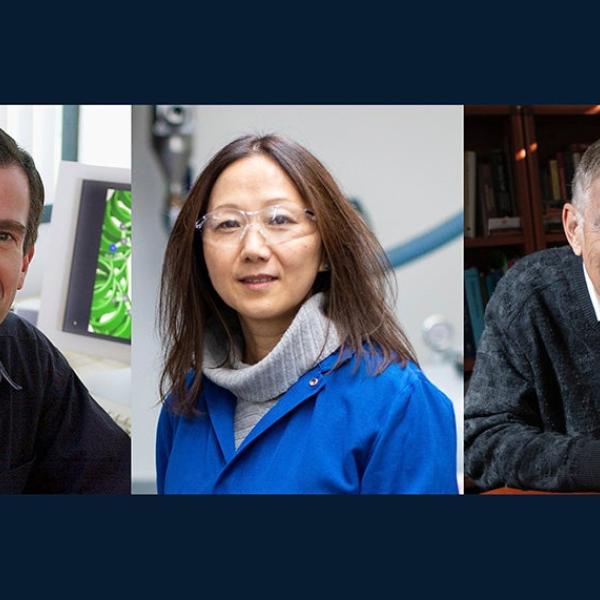
Zhenan Bao, Axel Brunger and Robert Byer are among 252 new members elected to the society, which honors exceptional scholars, leaders, artists and innovators engaged in advancing the public good.
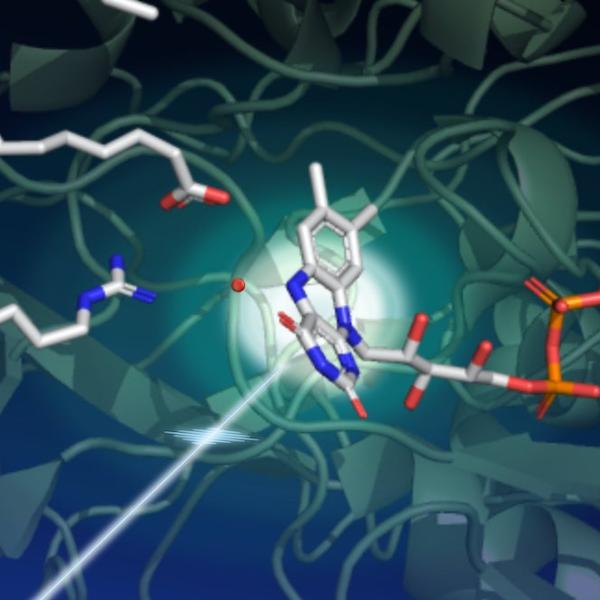
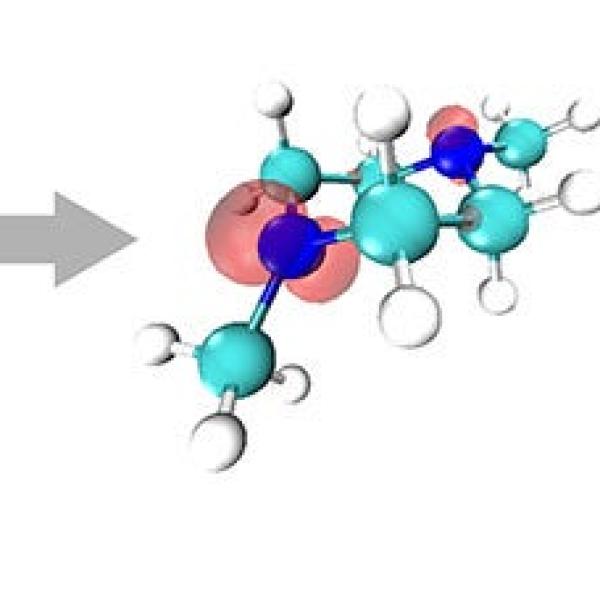
Charge transfer is highly important in most areas of chemistry, including photosynthesis and other processes in living things. A SLAC X-ray laser study reveals how it works in a molecule whose lopsided response to light has puzzled scientists for nearly...