Most experiments searching for mysterious dark matter require massive colliders, but Stanford physicist and SLAC collaborator Peter Graham advocates a different, less costly approach.
Kelly Gaffney is the director of SSRL, SLAC's synchrotron that produces extremely bright x-rays as a resource for researchers to study our world at the atomic and molecular level of energy production, environmental remediation, nanotechnology, new materials and medicine.
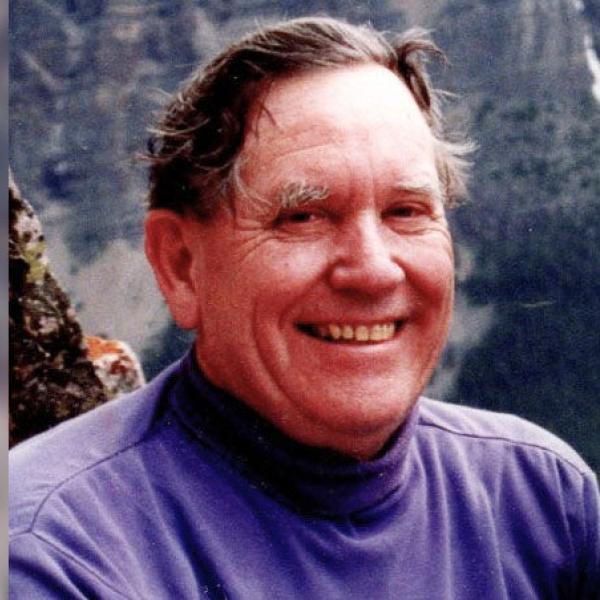
H. Pierre Noyes, the first director of SLAC's Theory Group, died in Stanford on Sept. 30, 2016, at age 92. Noyes, a theoretical physicist, leaves behind a legacy of distinctive academic work and activism.