Innovations at SLAC, including the world’s shortest X-ray flashes, ultra-high-speed pulse trains and smart computer controls, promise to take ultrafast X-ray science to a whole new level.
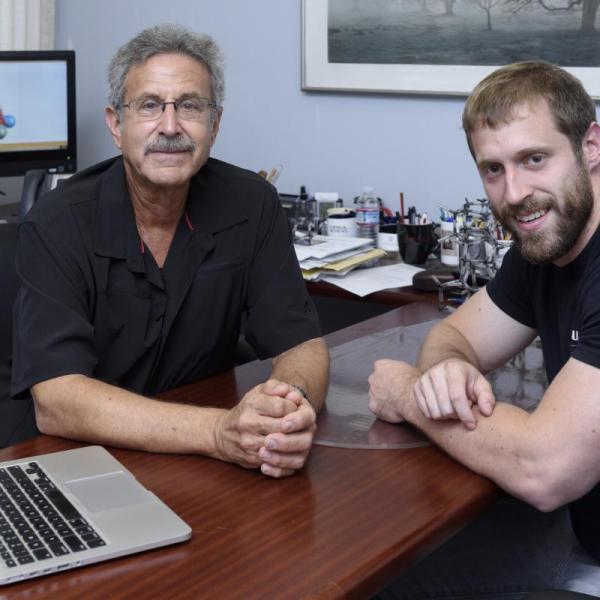
The staff scientist at the Stanford Synchrotron Radiation Lightsource discusses his research and teaching, which includes training an international group of students to conduct geobiology experiments at the synchrotron from an island about 350 miles away.
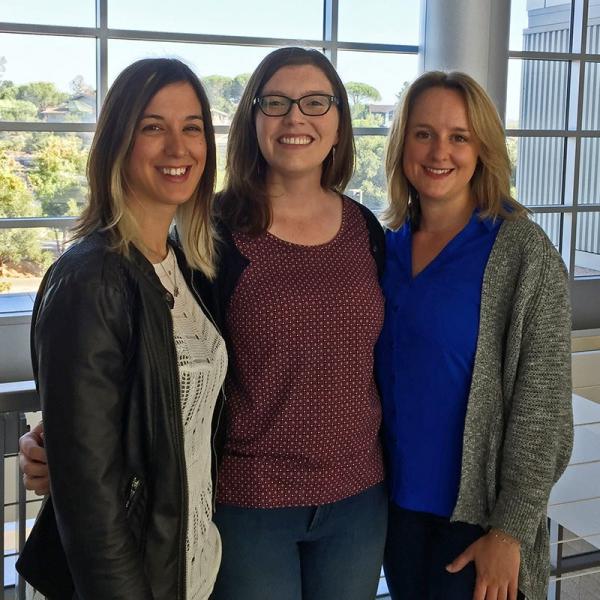
As members of the lab’s Computer Science Division, they develop the tools needed to handle ginormous data volumes produced by the next generation of scientific discovery machines.
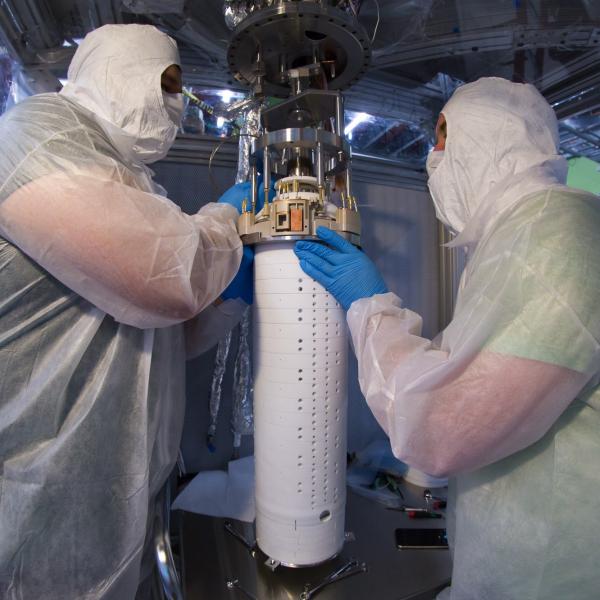
The first cryomodule has arrived at SLAC. Linked together and chilled to nearly absolute zero, 37 of these segments will accelerate electrons to almost the speed of light and power an upgrade to the nation’s only X-ray free-electron laser facility.
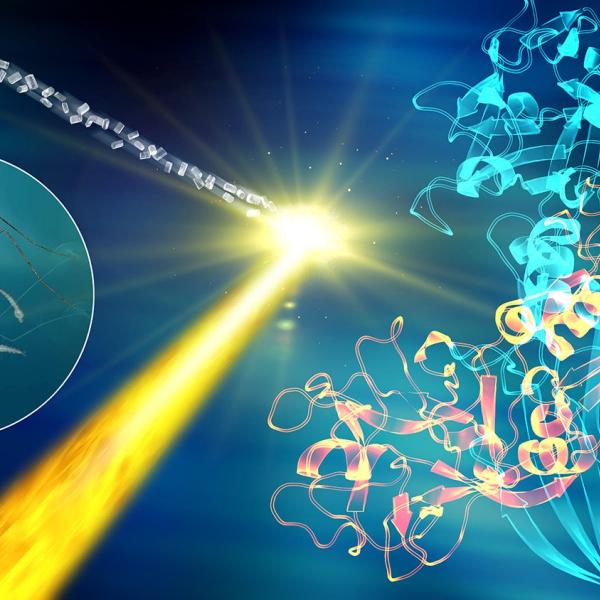
Combining X-ray and electron data from two cutting-edge SLAC instruments, researchers make the first observation of the rapid atomic response of iron-platinum nanoparticles to light. The results could help develop ways to manipulate and control future magnetic data storage devices.
The goal of these X-ray studies is to find ways to improve manufacturing of specialized metal parts for the aerospace, aircraft, automotive and healthcare industries.