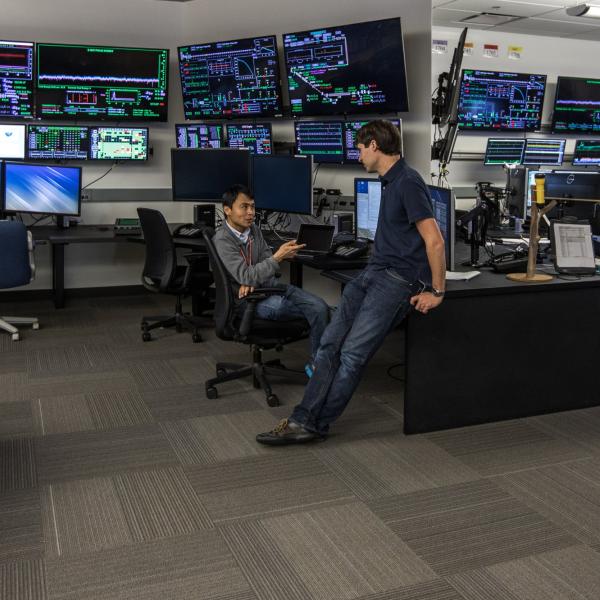
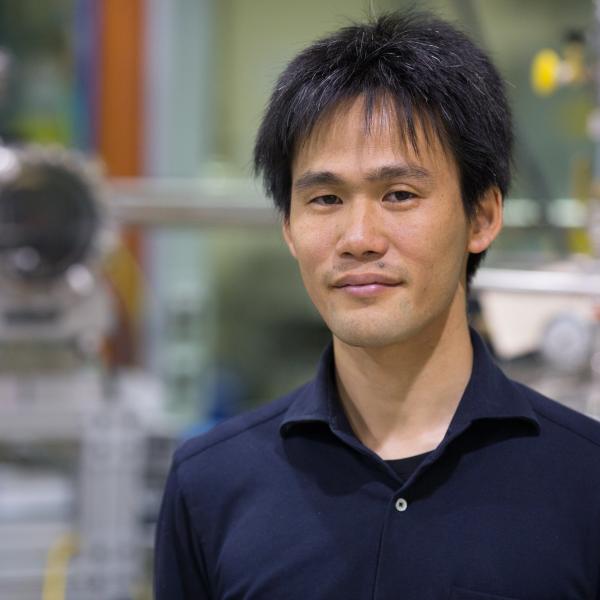
The award honors his contributions to research and education as founding president of the Okinawa Institute of Science and Technology Graduate University (OIST).
A new way to observe this deformation as it happens can help study a wide range of phenomena, from meteor impacts to high-performance ceramics used in armor, as well as how to protect spacecraft from high-speed dust impacts.
Clothing made from a reversible fabric, developed in part by SIMES researchers, could warm or cool wearers and keep them comfortable, bringing down buildings’ energy costs.
Research with SLAC’s X-ray laser simulates what happens when a meteor hits Earth’s crust. The results suggest that scientists studying impact sites have been overestimating the sizes of the meteors that made them.
In experiments with the lab’s ultrafast "electron camera," laser light hitting a material is almost completely converted into nuclear vibrations, which are key to switching a material’s properties on and off for future electronics and other applications.
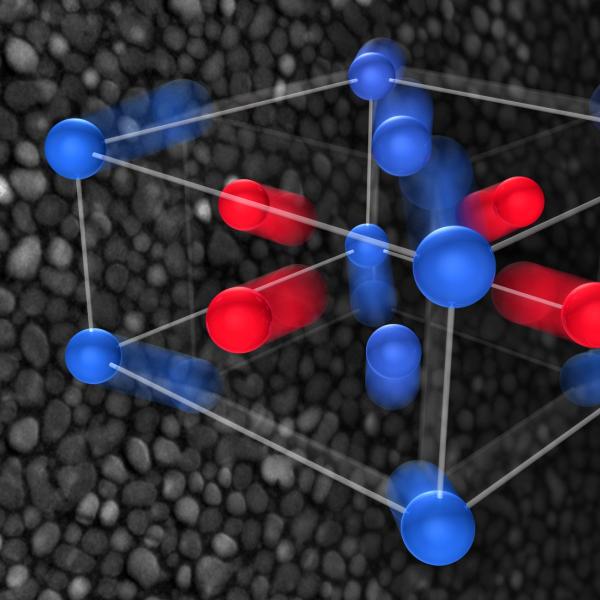
These stripes of electron spin and charge are exciting because of their possible link to a phenomenon that could transform society by making electrical transmission nearly 100 percent efficient.
Biochemical 'action shots' with SLAC’s X-ray laser could help scientists develop synthetic enzymes for medicine and answer fundamental questions about how enzymes change during chemical reactions.
They created a comprehensive picture of how the same chemical processes that give these cathodes their high capacity are also linked to changes in atomic structure that sap performance.