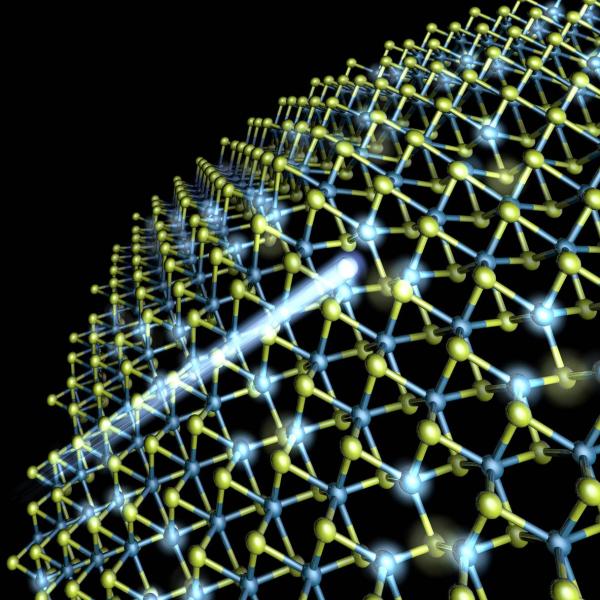
SLAC, Stanford scientists discover that bombarding and stretching a catalyst opens holes on its surface and makes it much more reactive. Potential applications include making hydrogen fuel.
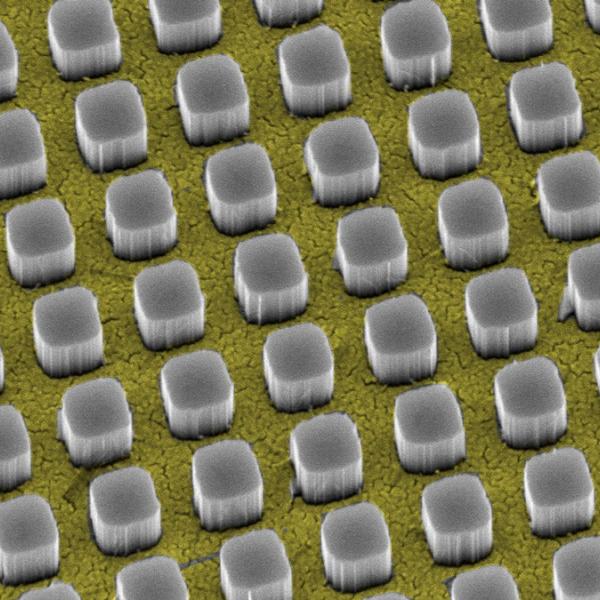
SIMES scientists have discovered how to make the electrical wiring on top of solar cells nearly invisible to incoming light. The new design, which uses silicon nanopillars to hide the wires, could dramatically boost solar-cell efficiency.
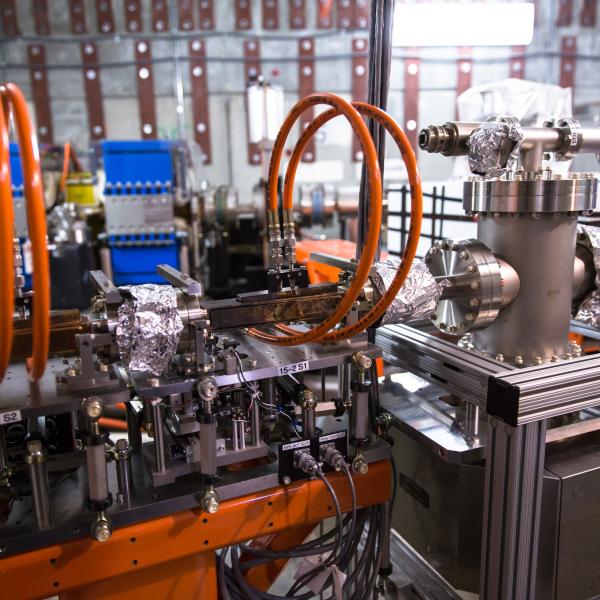
View photos of upgrades and new equipment at the Stanford Synchrotron Radiation Lightsource (SSRL) that will enable scientists to study photosynthesis, superconductors and other fields of research.
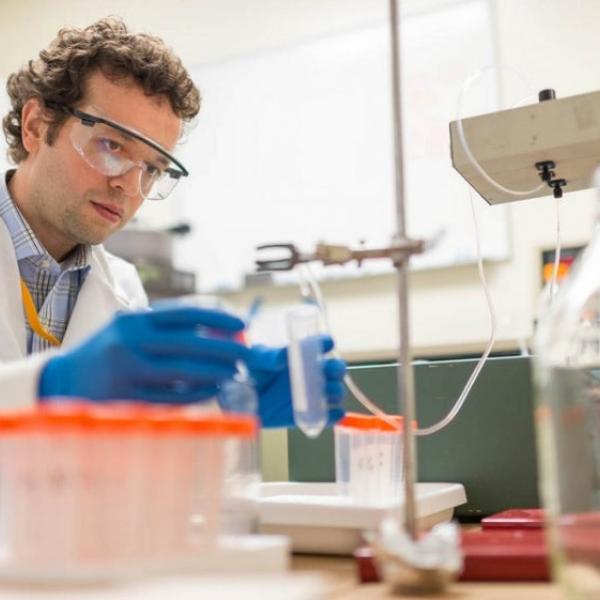
Researchers at SLAC have found a simple new way to study very delicate biological samples – like proteins at work in photosynthesis and components of protein-making machines called ribosomes – at the atomic scale using SLAC's X-ray laser.
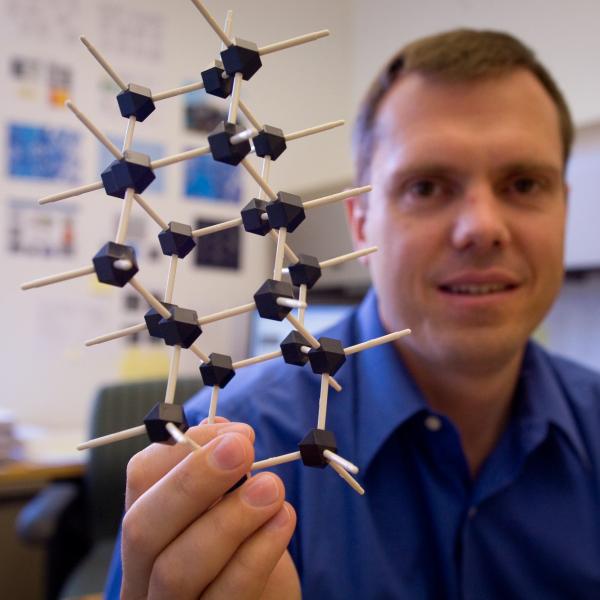
SLAC and Stanford scientists discovered that a single layer of tiny diamonds increases an electron gun’s emission 13,000 fold. Potential applications include electron microscopes and semiconductor manufacturing.
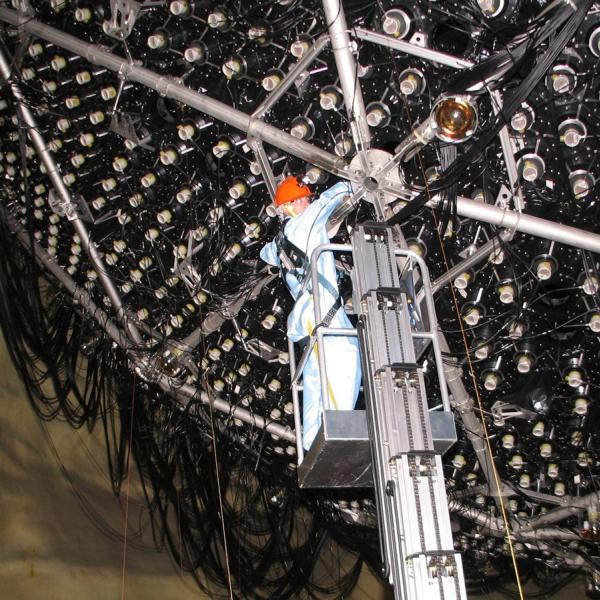
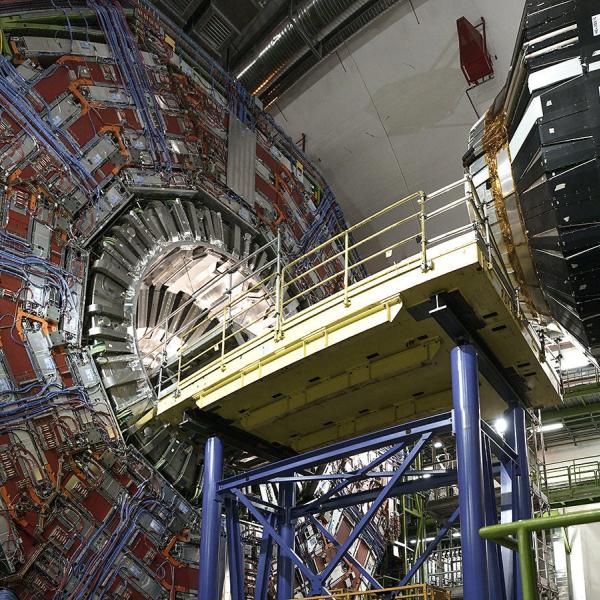
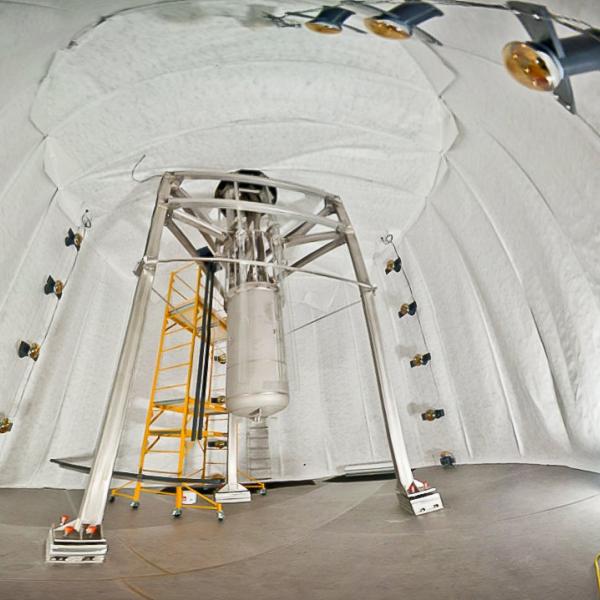
Dark matter hunters of the LUX collaboration have ruled out a larger-than-ever range of properties that hypothetical dark matter particles might have had.