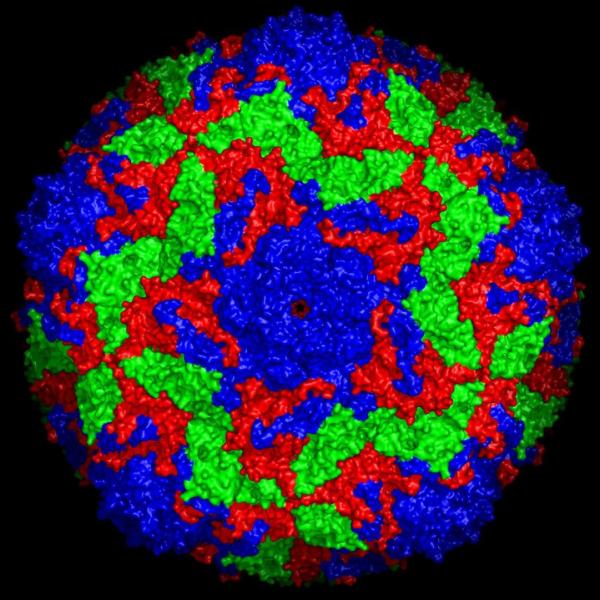
Tiny pores in the shells of archaea microbes attract ammonium ions that are their sole source of energy, allowing them to thrive where this food is so scarce that scientists can’t even detect it.
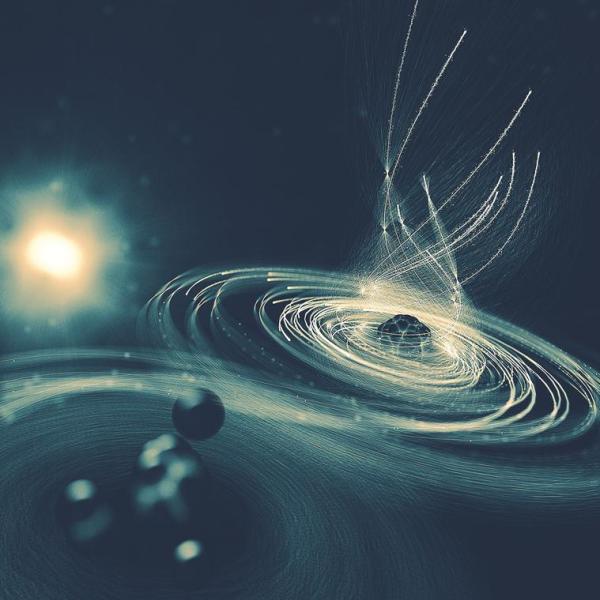
Tais Gorkhover, Michael Kagan, Kazuhiro Terao and Joshua Turner will each receive $2.5 million for research that studies fundamental particles, nanoscale objects, quantum materials and machine learning.
SLAC and Stanford researchers are developing a device that combines electrical brain stimulation with EEG recording, opening potential new paths for treating neurological disorders.
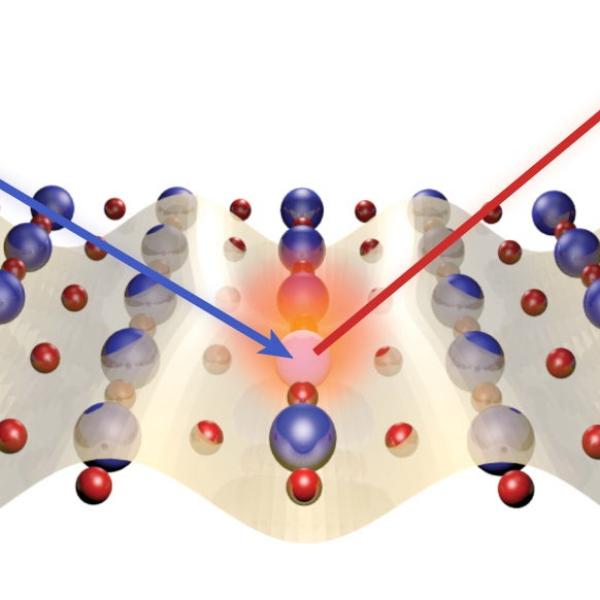
SLAC’s high-speed ‘electron camera’ shows for the first time the coexistence of solid and liquid in laser-heated gold, providing new clues for designing materials that can withstand extreme conditions.
By observing changes in materials as they’re being synthesized, scientists hope to learn how they form and come up with recipes for making the materials they need for next-gen energy technologies.
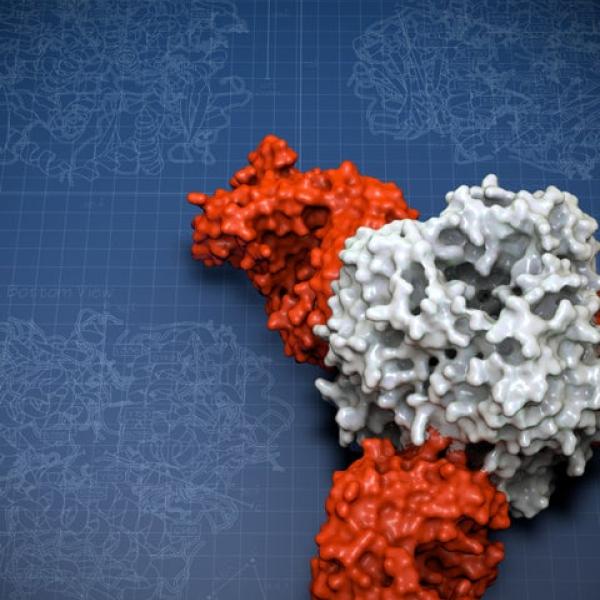
A decade-long search ends at the Stanford Synchrotron Radiation Lightsource, where researchers from The Scripps Research Institute emerge with a clear picture of how the deadly Lassa virus enters human cells.