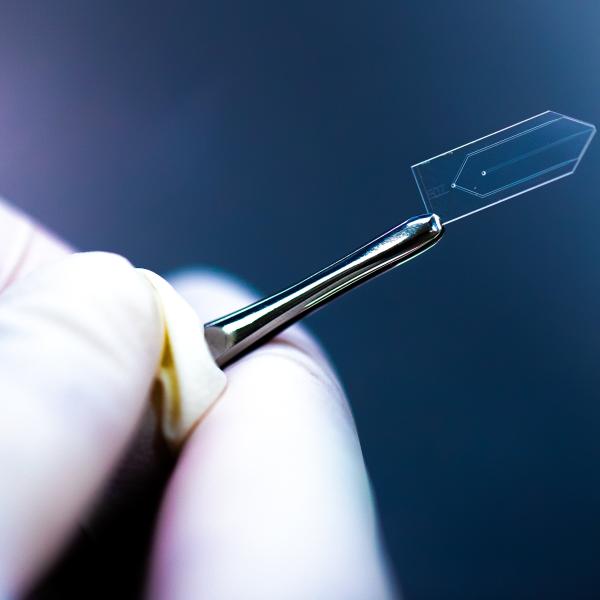
The liquid sheets – less than 100 water molecules thick – will let researchers probe chemical, physical and biological processes, and even the nature of water itself, in a way they could never do before.
Like turning a snowball back into fluffy snow, a new technique turns high-density materials into a lower-density one by applying the chemical equivalent of ‘negative pressure.’
SIMES scientists have developed a manganese-hydrogen battery that could fill a missing piece in the nation’s energy puzzle by storing wind and solar energy for when it is needed, lessening the need to burn carbon-emitting fossil fuels.
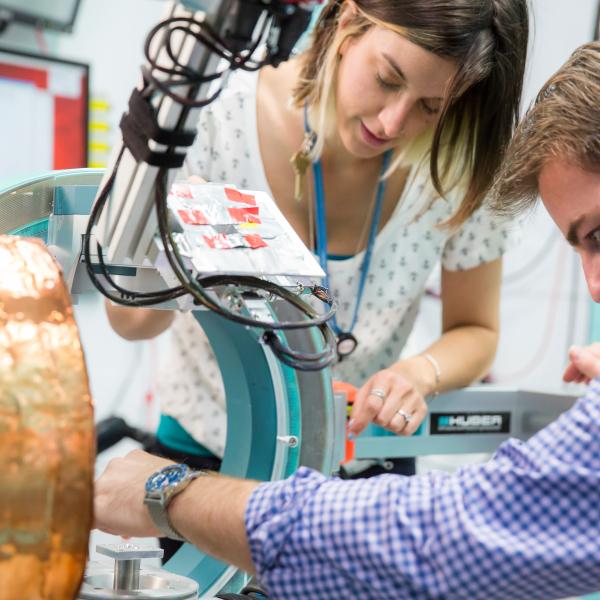
A team including SLAC researchers has measured the intricate interactions between atomic nuclei and electrons that are key to understanding intriguing materials properties, such as high-temperature superconductivity.
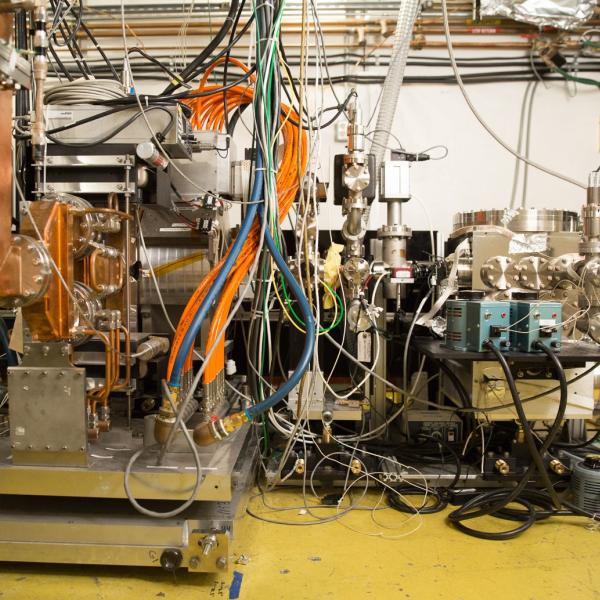
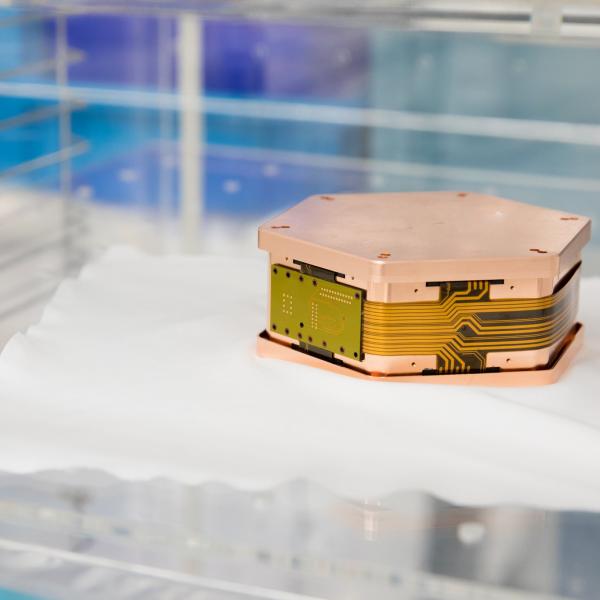
The SuperCDMS SNOLAB project, a multi-institutional effort led by SLAC, is expanding the hunt for dark matter to particles with properties not accessible to any other experiment.
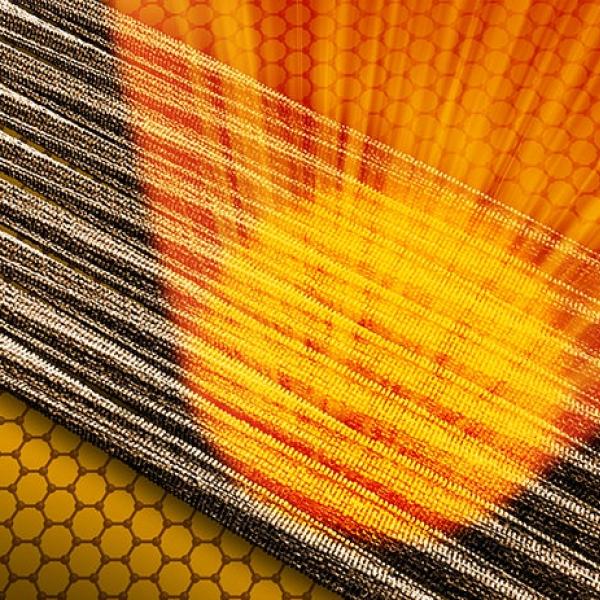
By placing the tiniest strands of proteins on one-atom-thick graphene, scientists capture promising X-ray laser images of these elusive biomolecules that play a key role in neurodegenerative diseases.
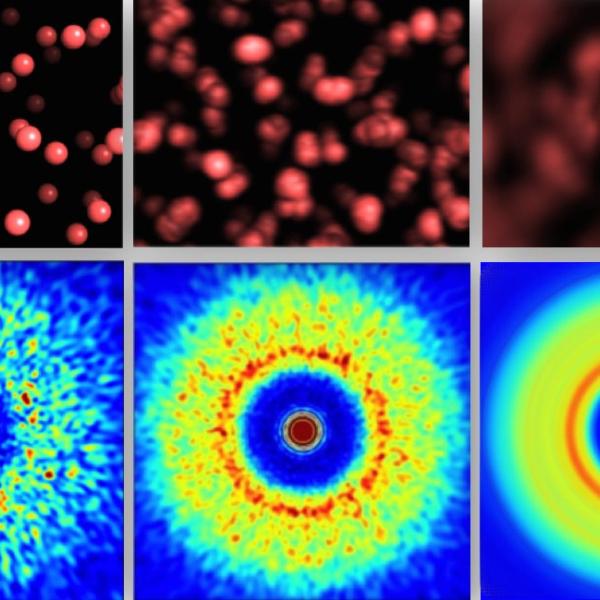
Experiments at SLAC heated water from room temperature to 100,000 degrees Celsius in less than a millionth of a millionth of a second, producing an exotic state of water that could shed light on Earth’s most important liquid.
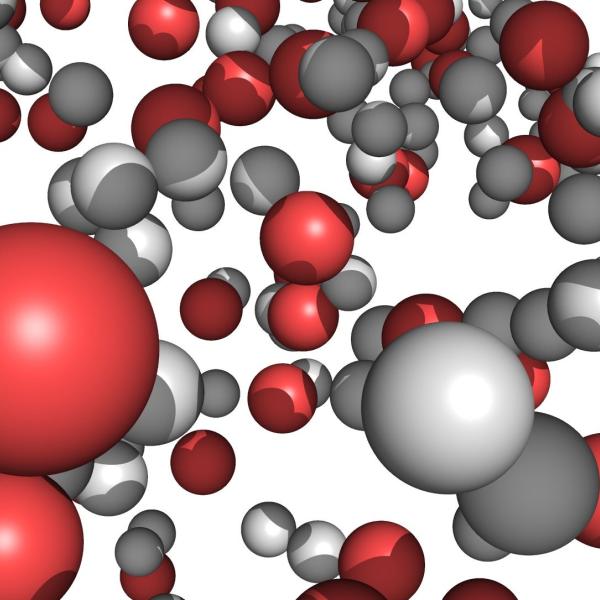
Water is more complicated than it seems. Now a study led by researchers at Stockholm University has probed the movements of its molecules on a timescale of millionths of a billionth of a second.
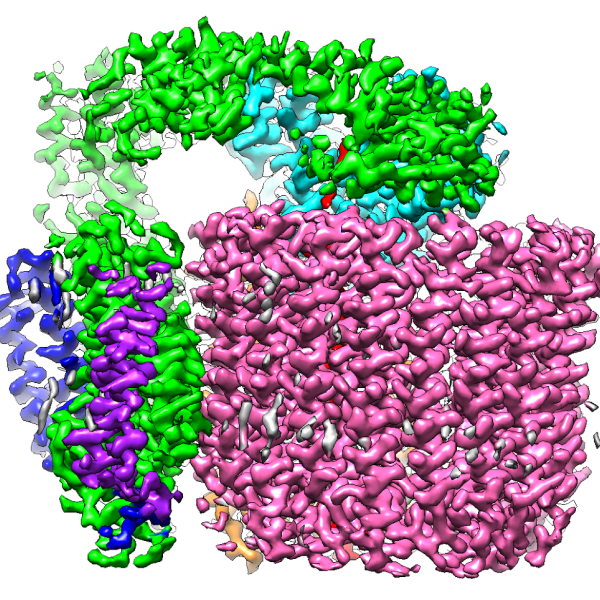
The National Institutes of Health center on the SLAC campus will make this revolutionary technology available to scientists nationwide and teach them how to use it to study 3D structures of biological machines and molecules.
The researchers observed how an enzyme from drug-resistant tuberculosis bacteria damages an antibiotic molecule. The new technique provides a powerful tool to examine changes in biological molecules as they happen.