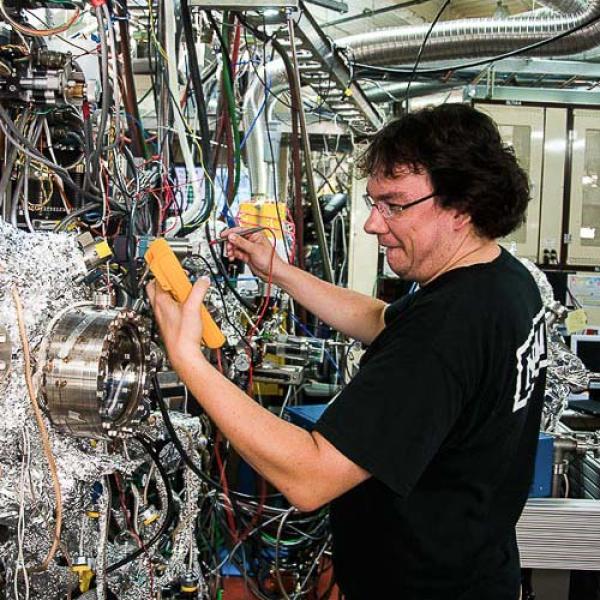
Stanford and SLAC engineers observed electrons at work during catalytic reactions. Their findings challenge long-held theories about some catalysts, opening the door to new or improved renewable energy applications.
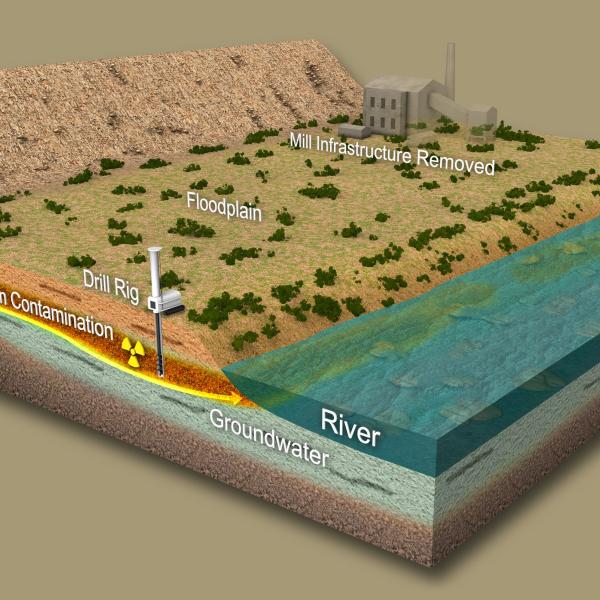
In an important step toward handling the nation’s uranium milling legacy, researchers try to understand why contamination at remediated uranium processing sites continues to persist at dangerously high levels.
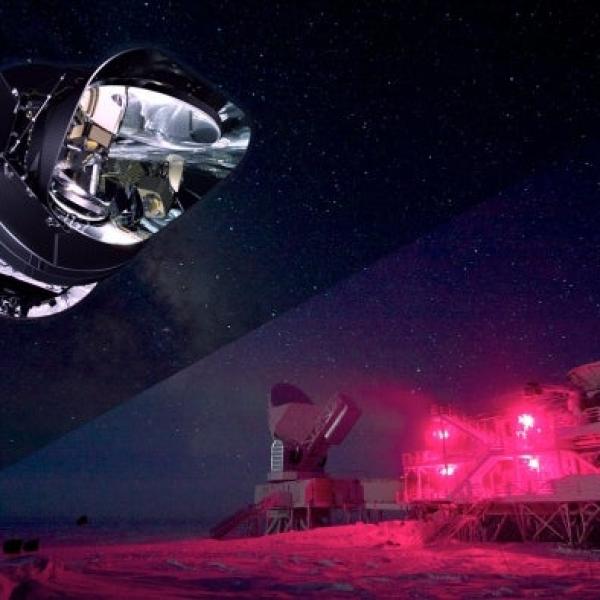
A previous study claiming the discovery of gravitational waves as cosmic inflation’s fingerprint has most likely been over-interpreted, scientists found in a joint analysis between the Planck and BICEP2 experiments.
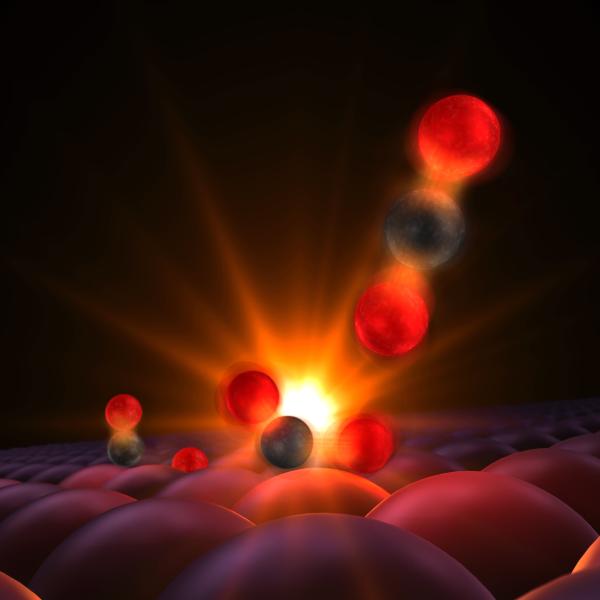
Scientists have used an X-ray laser at SLAC to get the first glimpse of the transition state where two atoms begin to form a weak bond on the way to becoming a molecule.
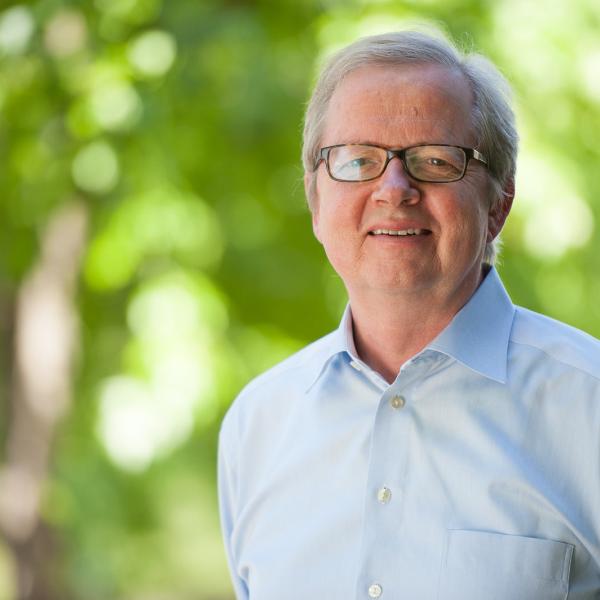
Jens Nørskov, director of the SUNCAT Center for Interface Science and Catalysis at Stanford and SLAC, has been named a member of the National Academy of Engineering, one of the highest professional distinctions for engineers.