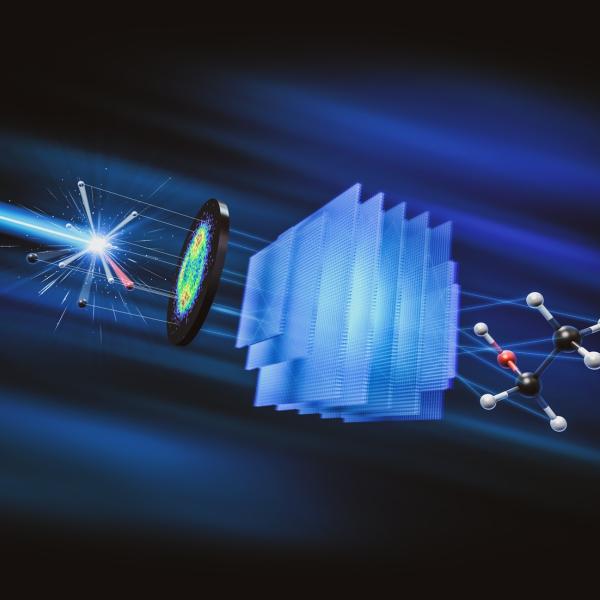
SLAC researchers and collaborators trained a neural network that can use ion momentum to work backward and predict the pre-blast geometry of a molecule.
Researchers reengineered an ePix10k detector for use in ultrafast electron diffraction, empowering studies of chemical processes that were previously out of reach.
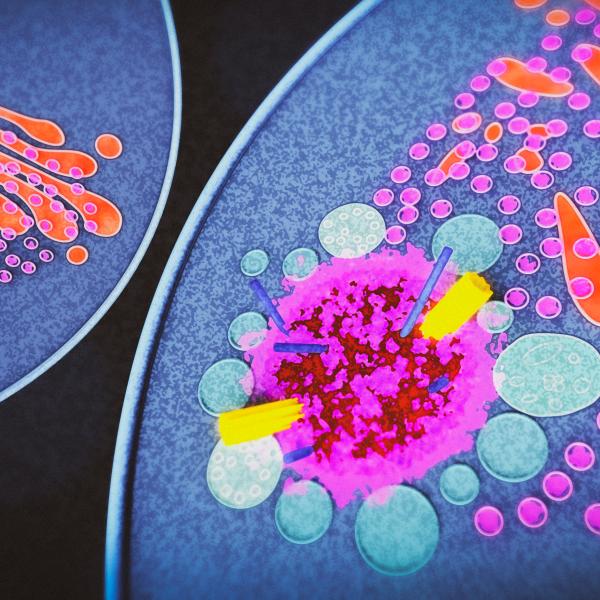
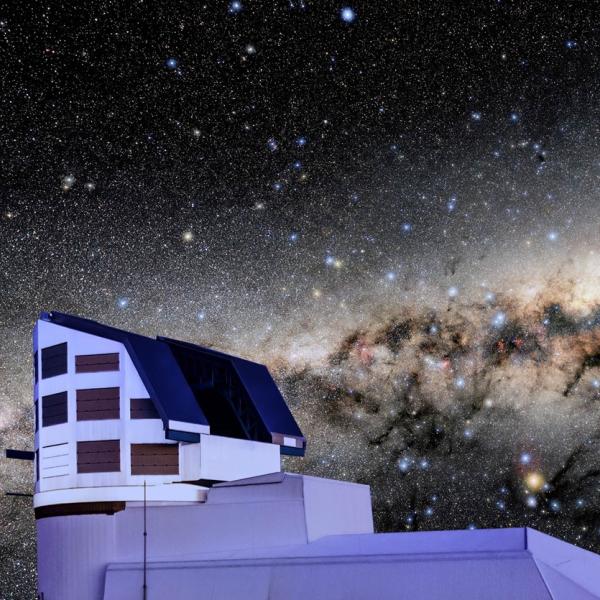
SLAC scientists played key roles in leadership, survey design, cosmological applications, studies of dark matter and of links to the cosmic microwave background.
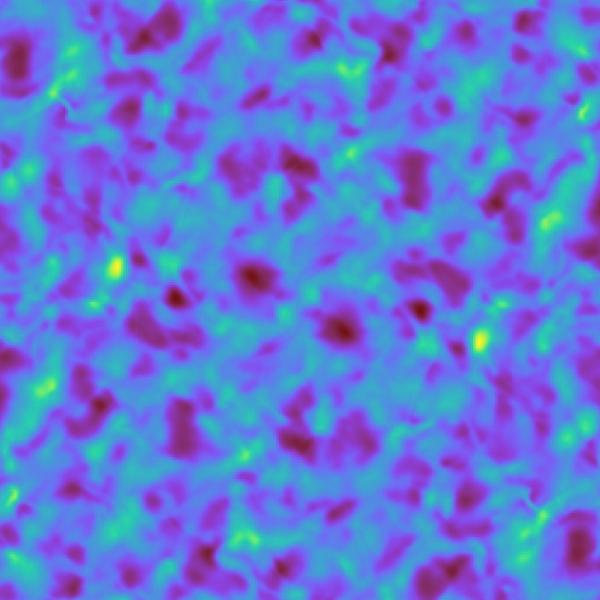
An international team of researchers simulated magnetic forces in the early universe and found they could bridge the gap between the observed and calculated rates of the universe’s expansion.
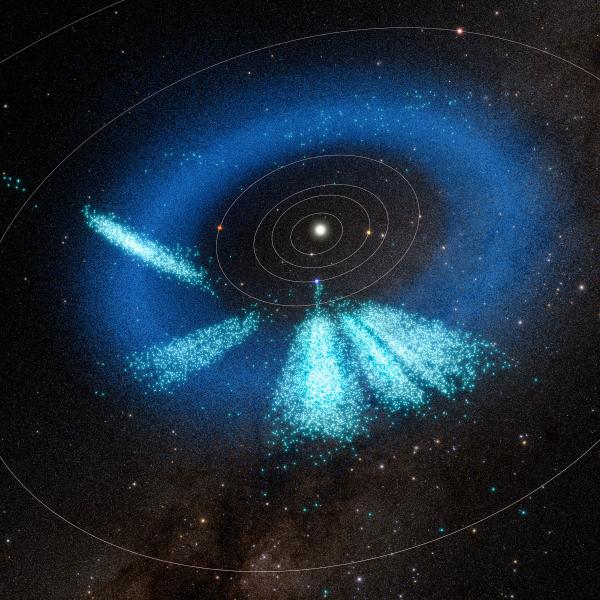
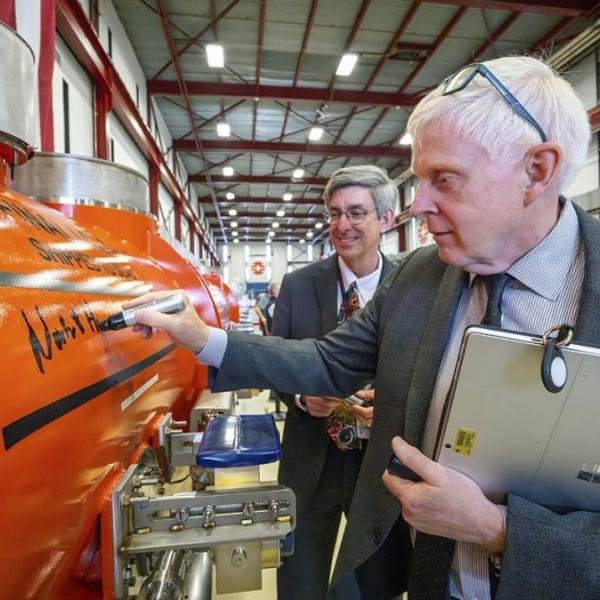
The X-ray Pump Probe instrument is returning to normal operations this spring, anticipating a major capability boost when the high-energy beam comes online.