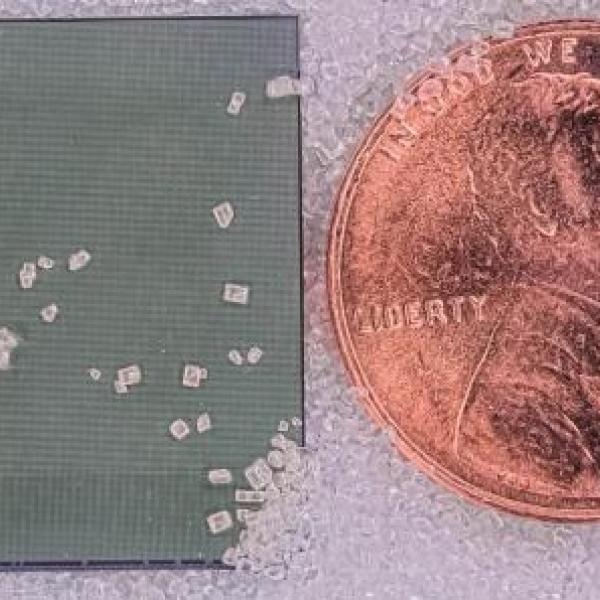
Teams from Stanford, SLAC and the University of Nebraska-Lincoln collaborate to make thin, transparent semiconductors that could become the foundation for cheap, high-performance displays.
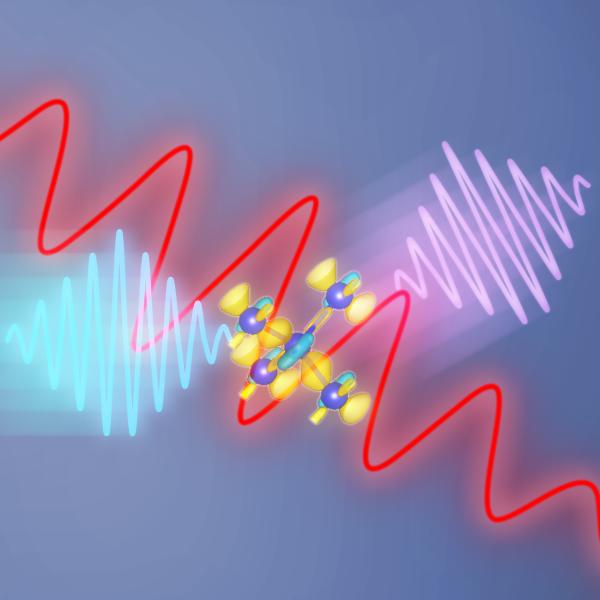
The new method allows better studies of valence electrons key to materials’ properties and could help unlock novel photocatalysts, light-switchable superconductors and other applications of the future.
NSF-DOE Rubin Observatory has issued its first scientific alerts, marking a historic milestone in astrophysics and kicking off a new era of dynamic, real-time observation of the night sky.
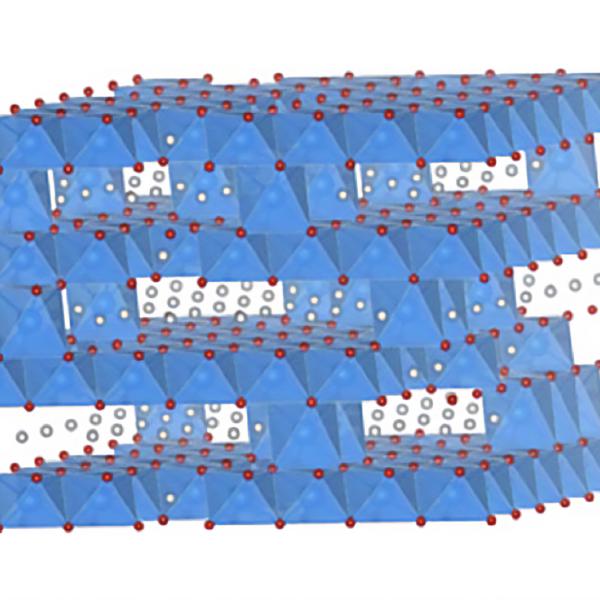
By instigating atomic disorder in lithium-ion battery materials, researchers created more stable materials that don’t expand, contract and degrade like traditional materials do.
Argonne, SLAC researchers designed a chip that compresses and processes detector data instantly, letting scientists analyze results and steer experiments as they happen.
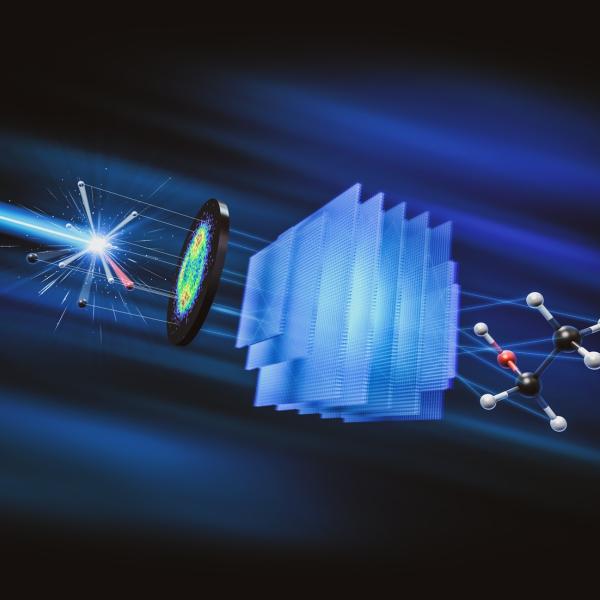
SLAC researchers and collaborators trained a neural network that can use ion momentum to work backward and predict the pre-blast geometry of a molecule.