A new form of platinum that could be used to make cheaper, more efficient fuel cells has been created by researchers at the Department of Energy's SLAC National Accelerator Laboratory and the University of Houston.
NSF–DOE Vera C. Rubin Observatory is about to embark on its quest to capture the cosmos, marking the culmination of decades of work by thousands of people across the globe.
With survey operations set to begin this fall, the Rubin control room at SLAC will serve as a key hub for training and remote observing support for the NSF–DOE Vera C. Rubin Observatory.
After a major upgrade, SLAC's X-ray free-electron laser is 10,000 times brighter and thousands of times faster. Now, researchers are using LCLS to observe electrons in real time as they move across molecules.
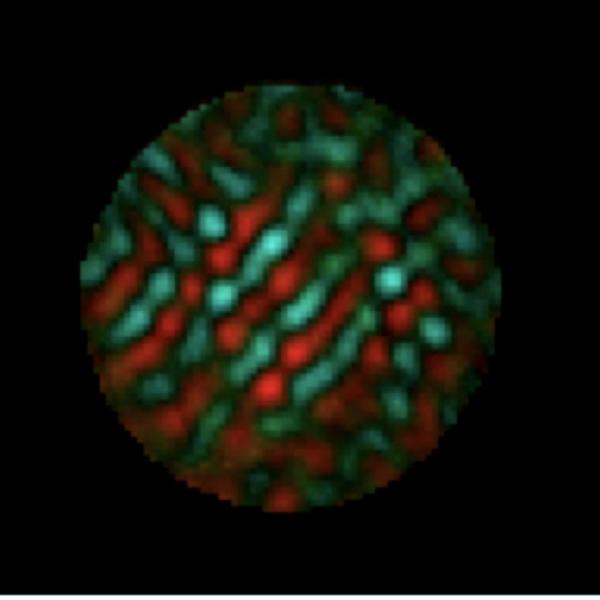
A new X-ray technique for producing instantaneous nanoscale images of the magnetic polarity in materials has been demonstrated by SLAC scientist Joshua Turner.
SSRL and LCLS scientists will help visiting research teams solve their experimental challenges, then apply what they’ve learned to help others work more efficiently.
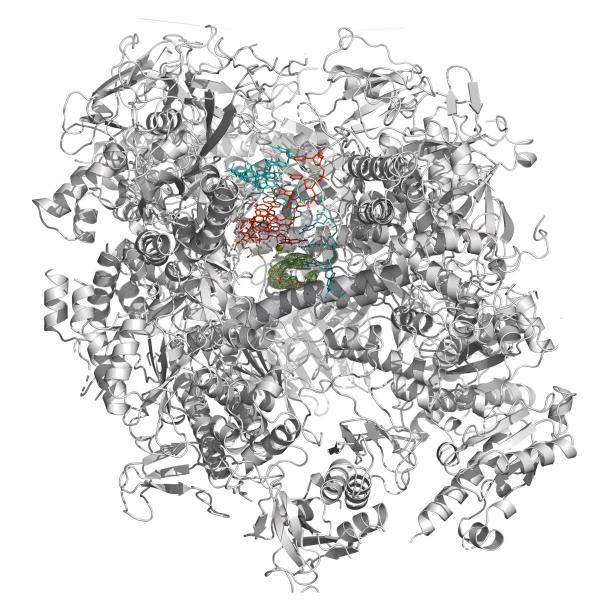
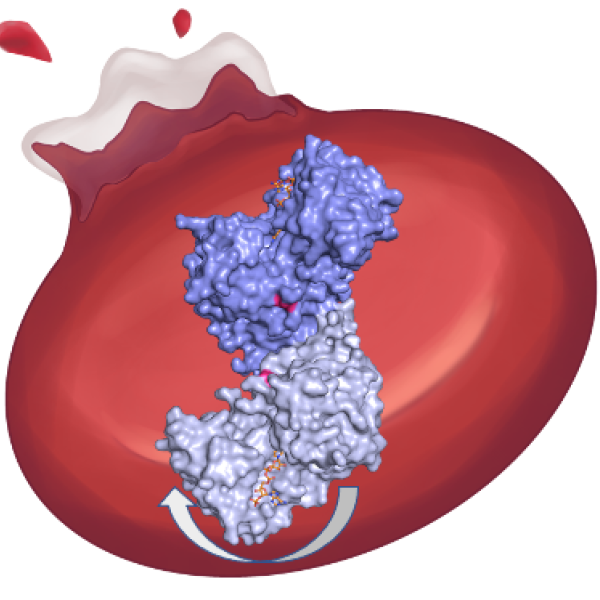
G6PD deficiency affects about 400M people worldwide and can pose serious health risks. Uncovering the causes of the most severe cases could finally lead to treatments.