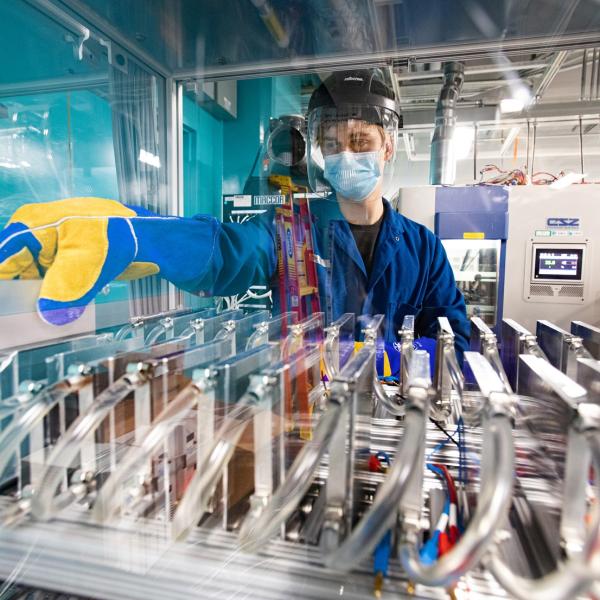
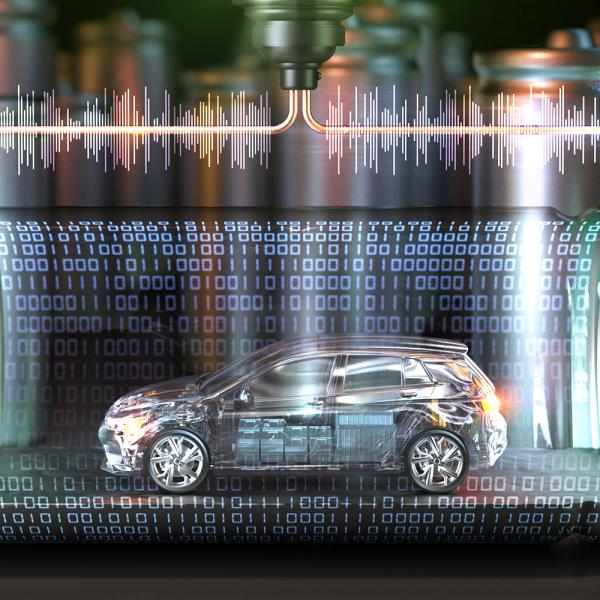
The team reduced the amount of expensive platinum group metals needed to make an effective cell and found a new way to test future fuel cell innovations.
What could smaller particle accelerators look like in the future? SLAC scientists are working on innovations that could give more researchers access to accelerator science.
Teams at SLAC installed new experimental hutches with cutting-edge instruments that will harness the upgraded facility’s new capabilities and expand the breadth of research done at the facility.
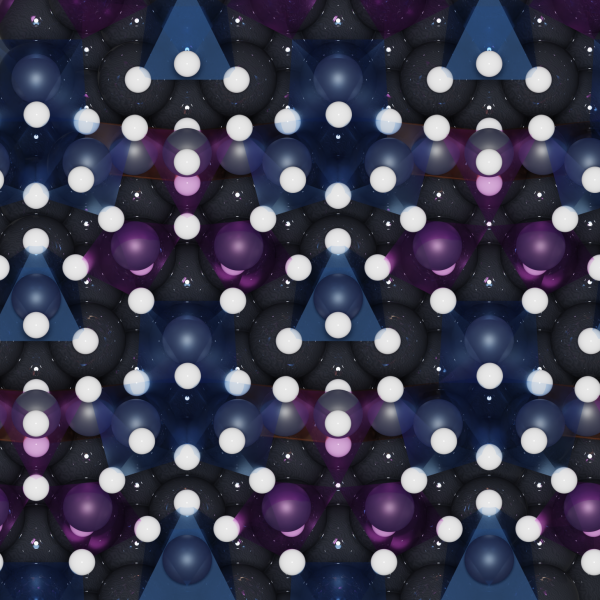
Strongly interacting electrons in quantum materials carry heat and charge in a way that’s surprisingly similar to what individual electrons do in normal metals, a SLAC/Stanford study finds.
A new report outlines suggestions for federal investments needed for the next generation of transformative discoveries in particle physics and cosmology, including priority projects at SLAC.
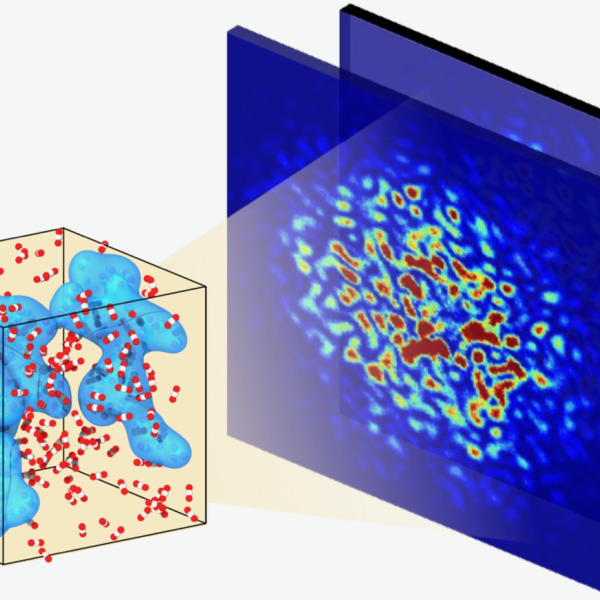
A new experiment suggests that this exotic precipitation forms at even lower pressures and temperatures than previously thought and could influence the unusual magnetic fields of Neptune and Uranus.