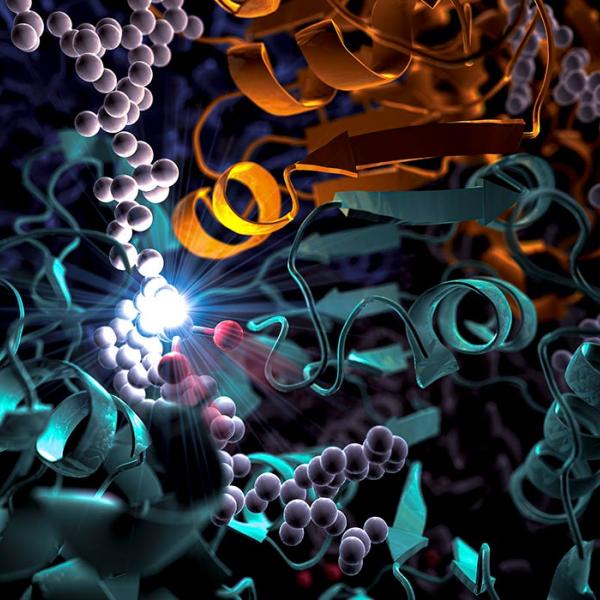
Researchers discover that a spot of molecular glue and a timely twist help a bacterial enzyme convert carbon dioxide into carbon compounds 20 times faster than plant enzymes do during photosynthesis. The results stand to accelerate progress toward converting carbon...
By revealing the chemistry of plant secretions, or exudates, these studies build a basis for better understanding and conserving art and tools made with plant materials.
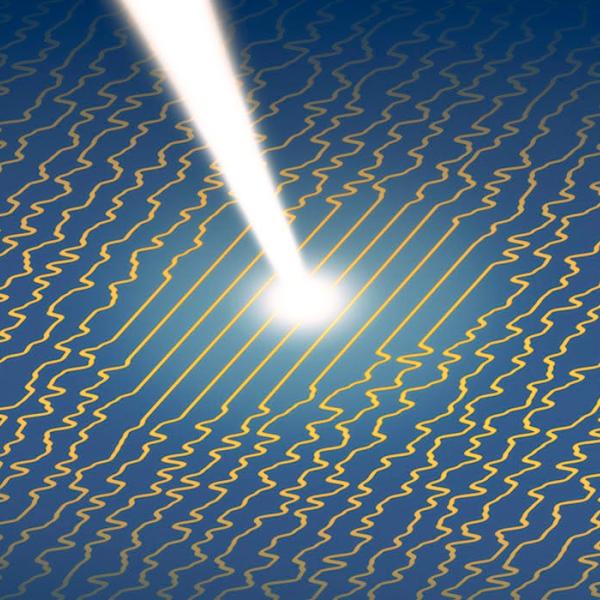
Scientists discover superconductivity and charge density waves are intrinsically interconnected at the nanoscopic level, a new understanding that could help lead to the next generation of electronics and computers.
After decades of experience in the DOE lab system and as director of a leading synchrotron light source, he’s back to where he earned his PhD – with a much bigger mission.
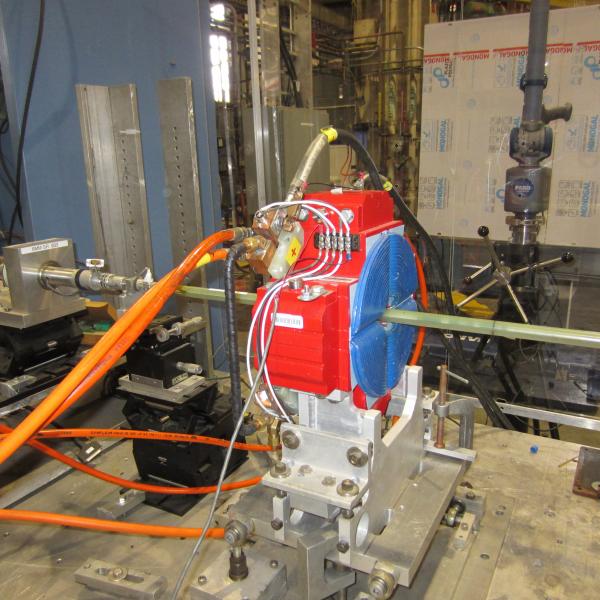
Knowing a magnet’s past will allow scientists to customize particle beams more precisely in the future. As accelerators stretch for higher levels of performance, understanding subtle effects, such as those introduced by magnetic history, is becoming more critical.
Edelen draws on machine learning to fine tune particle accelerators, while Kurinsky develops dark matter detectors informed by quantum information science.
Toro and Schuster are being recognized for their contributions to the design of experiments that use particle accelerators to search for dark matter particles.
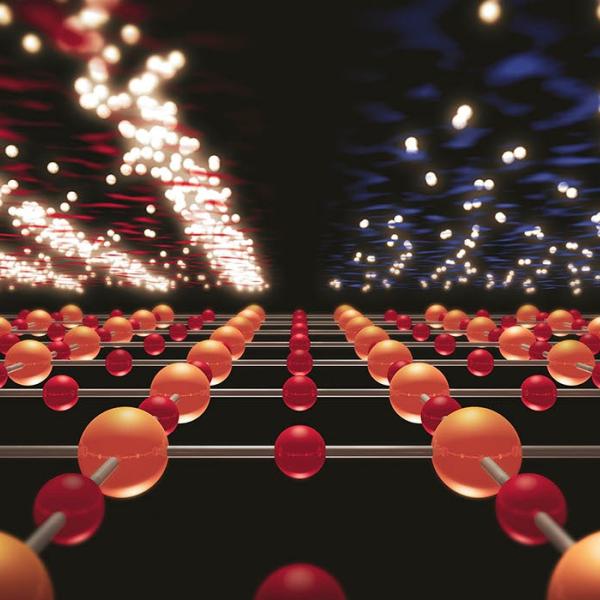
Researchers discover they contain a phase of quantum matter, known as charge density waves, that’s common in other unconventional superconductors. In other ways, though, they’re surprisingly unique.
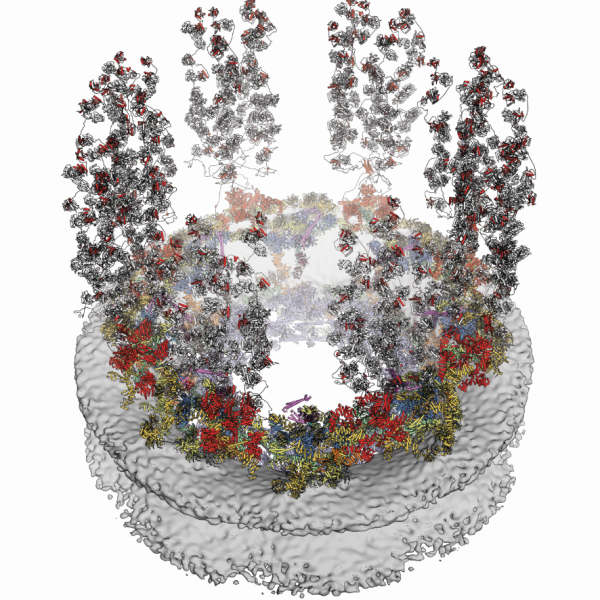
After almost two decades of synchrotron experiments, Caltech scientists have captured a clear picture of a cell’s nuclear pores, which are the doors and windows through which critical material in your body flows in and out of the cell’s nucleus...
SLAC researchers contributed to the design, construction, testing and analysis of the experiment, which has already put the tightest bounds yet on a popular theory of dark matter.