The largest camera ever built for astrophysics has completed the journey to Cerro Pachón in Chile, where it will soon help unlock the Universe’s mysteries.
Supported by SLAC's catalysis group Co-ACCESS, researchers discover new ways to boost the performance of catalysts that turn carbon dioxide into methanol.
Researchers figured out how to spray and freeze a cell sample in its natural state in milliseconds, helping them capture basic biological processes in unprecedented detail.
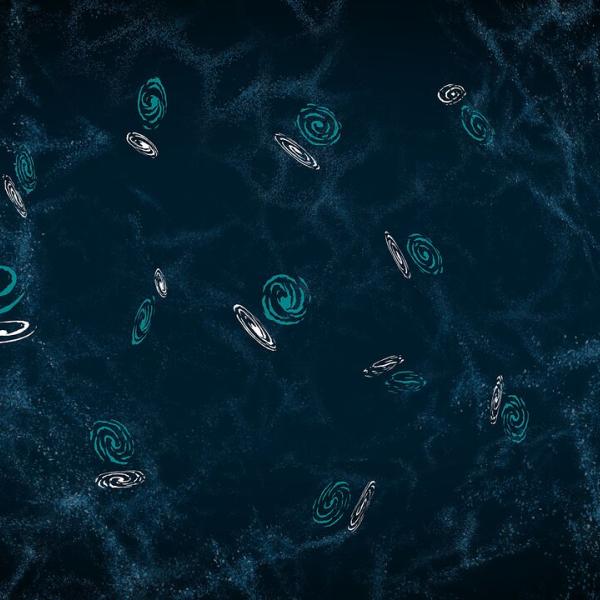
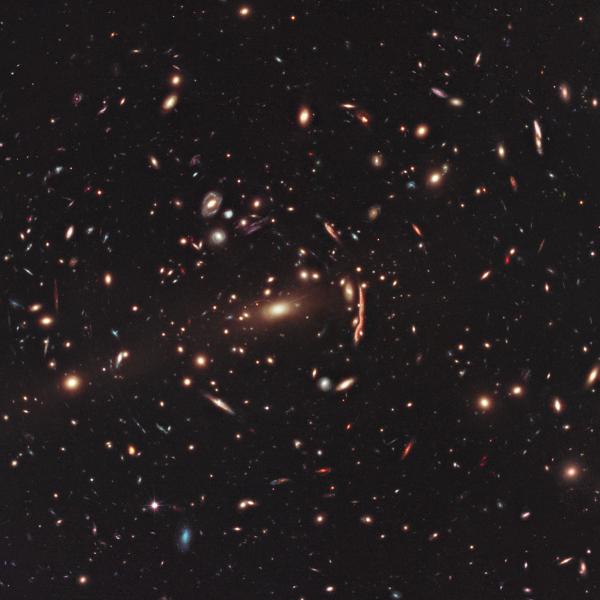
Researchers have released 10 terabytes of data from the OpenUniverse project, which has created a detailed simulation of the universe astrophysicists can use to help calibrate expectations from two major new telescopes.
The SLAC/Stanford researcher is a leading materials scientist and entrepreneur whose research is paving the way for better batteries, cleaner power grids.
The Ultrafast X-ray Summer School, run by the Stanford PULSE Institute and hosted at SLAC, opens the door for students and postdocs to imagine how they could use X-ray free electron lasers in their future careers.