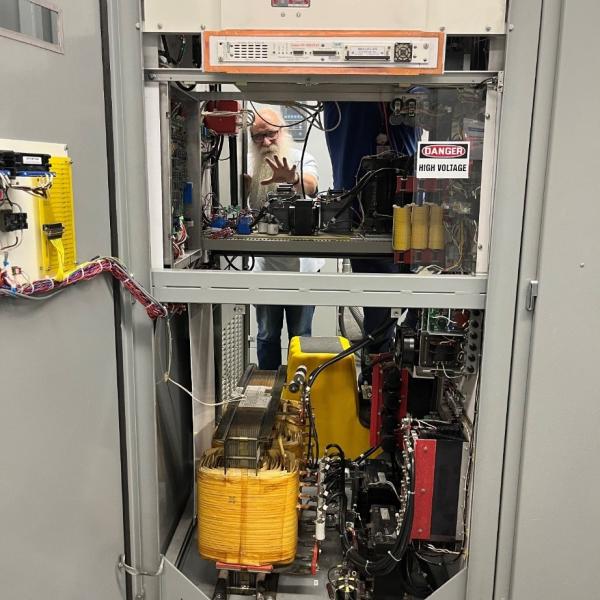
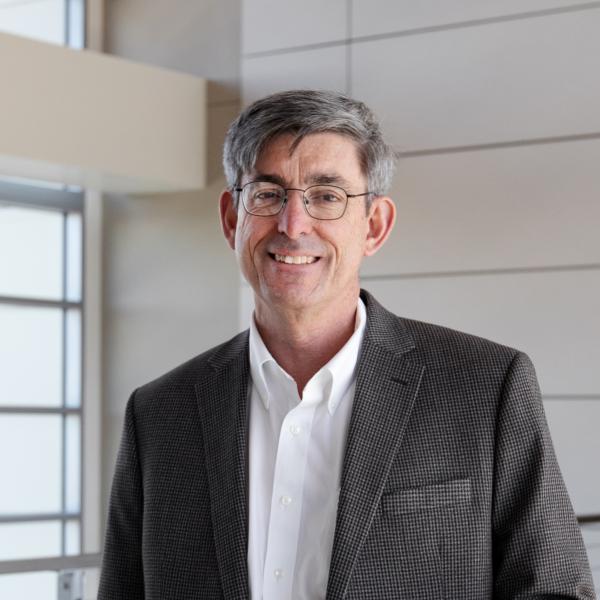
Sebek’s extraordinary career at SSRL includes helping build the facility’s original electron injector back in the 1980s and working on almost all of its electrical systems since.
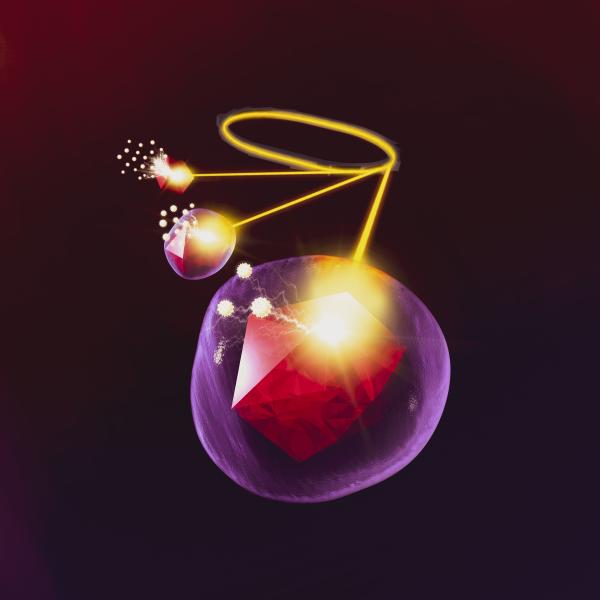
SSRL's X-ray tools reveal that alcohol groups on a nanodiamond's surface allow one of the world's most valuable materials to bond with one of its most abundant.
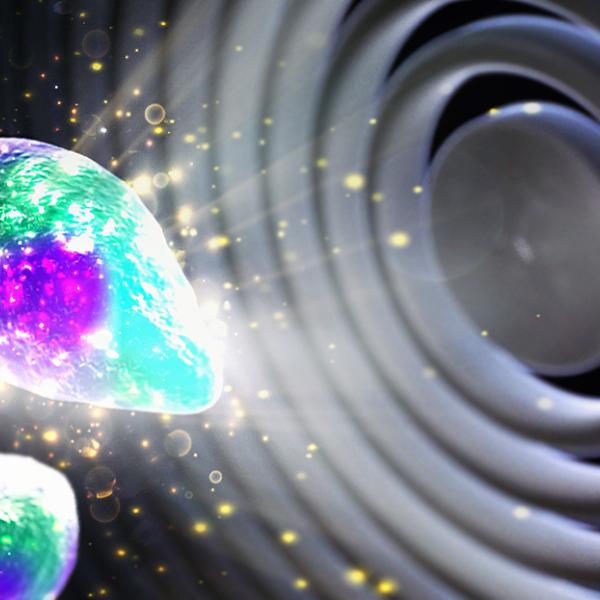
Scientists developed a groundbreaking technology that allows them to see sound waves and microscopic defects inside crystals, promising insights that connect ultrafast atomic motion to large-scale macroscopic behaviors.
A materials scientist who specializes in superconductors, Sarrao brings a deep background in national lab leadership and the evolution of SLAC science.
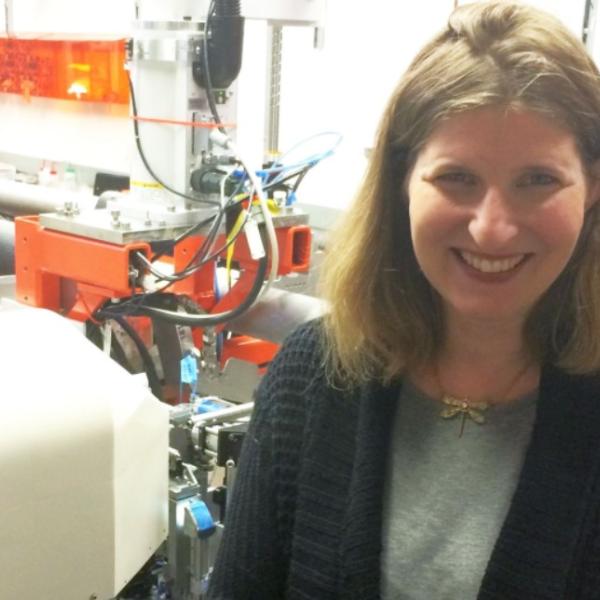
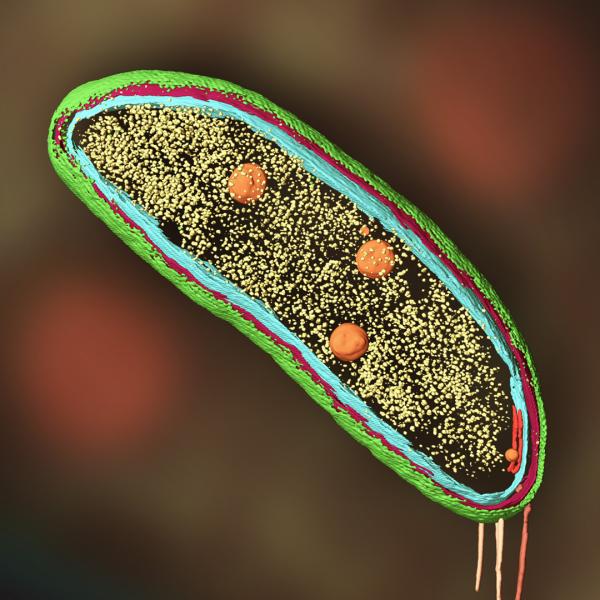
Peter Dahlberg has combined two complex imaging techniques into one. The 2021 Panofsky Fellow adds cryo-ET and biosensors to fluorescence microscopy to give context to high-resolution images of individual proteins in cells.