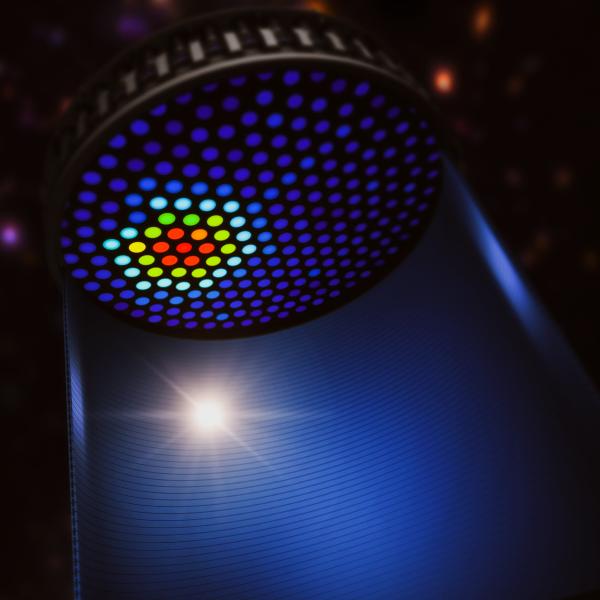



Presented by Zeeshan Ahmed. Shortly after the birth of the universe, space was filled by a plasma that was literally red-hot. The light radiated by that plasma has traveled the vast emptiness of space for billions of years, with the...
Presented by Diana Gamzina. In particle accelerators, electrons are pushed to extreme energies by electromagnetic fields that oscillate inside evacuated metal cavities. Those cavities are usually made of copper.
Superconductors are materials in which electric current flows freely, without resistance. They are used to create the powerful magnetic fields needed to operate MRI machines and levitate high-speed trains, and have even served as building blocks for quantum computers. While...
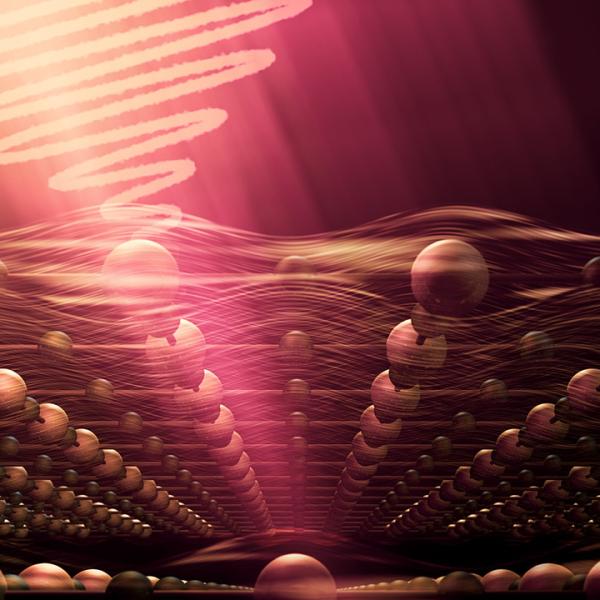
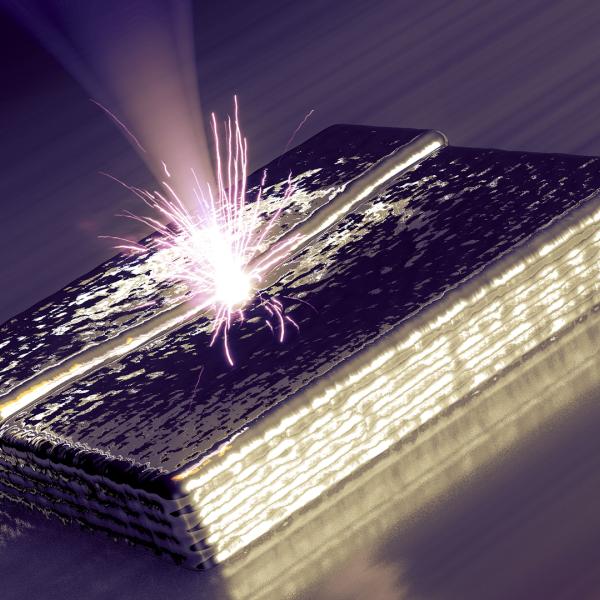
Presented by Christopher Tassone. Throughout human history, improvements in the structure of metals have been essential to the sharpness of swords and the strength of steel girders. Now we’d like to produce turbine blades and propellers with optimal shapes and...
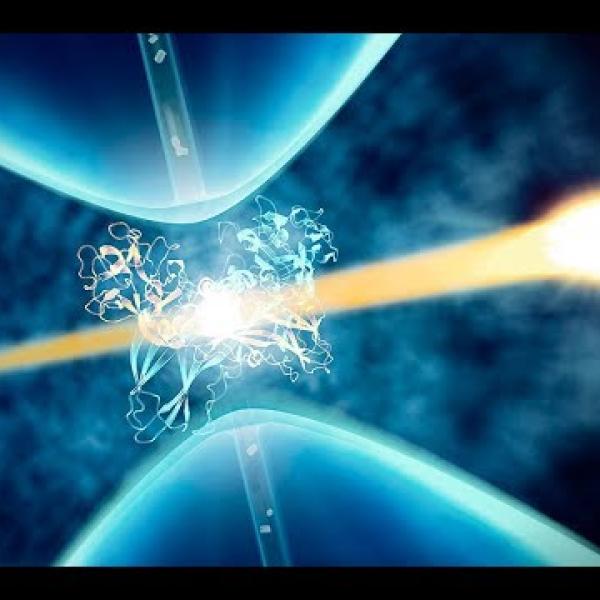
Presented by Sebastien Boutet. SLAC's X-ray laser, the Linac Coherent Light Source, launched a new generation of light sources when it opened 10 years ago last month, with beams 10 billion times brighter than any before.
Giant planets can be up to 13 times the mass of Jupiter, while the least massive stars are about 80 times the mass of Jupiter. In between are objects called “brown dwarfs” – too massive to be called planets, but...
Particle accelerators are used every day in a wide range of scientific, medical and industrial applications. But did you know that the task of operating these machines is far from mundane? For example, for every experiment at SLAC’s X-ray laser...
Presented by Sebastian Ellis. The nature of dark matter is one of the most captivating and fundamental open problems facing physicists today. Over many decades, we have collected overwhelming evidence for the existence of dark matter in the universe.
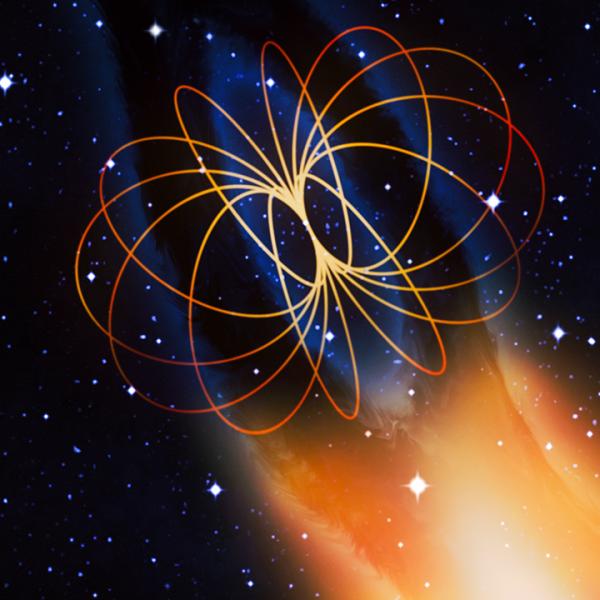
Presented by Eric Charles. A single gamma ray carries millions of times the energy of a single photon of visible light. This means that gamma rays are produced only in the most convulsive environments in the universe – pulsars spinning...
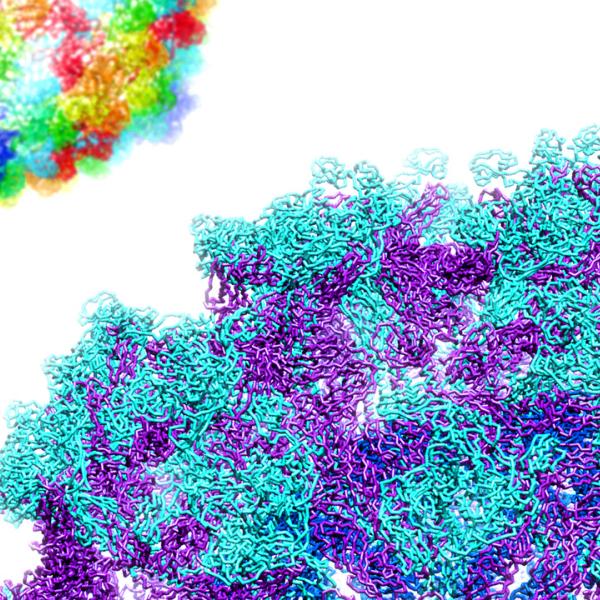
Presented by Wah Chiu. Cryogenic electron microscopy (cryo-EM) is a revolutionary technology for making 3D images of the inner workings of cells in much higher resolution than ever possible before.