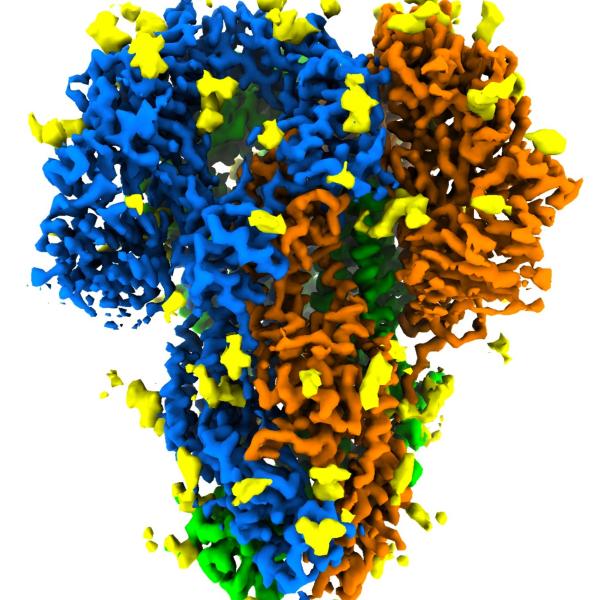
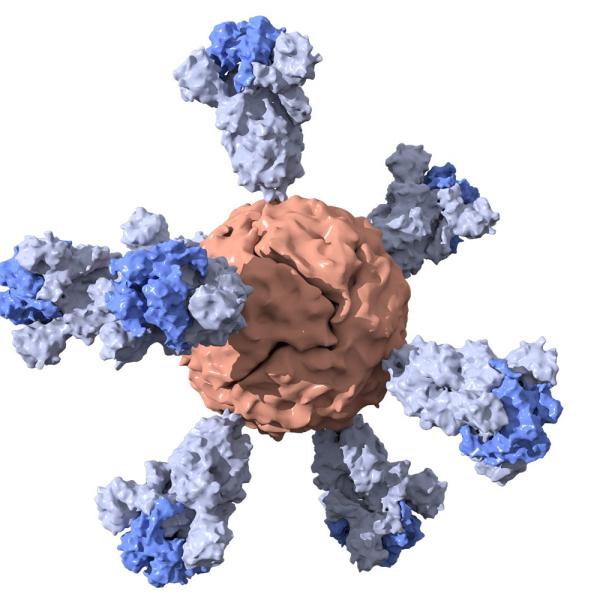
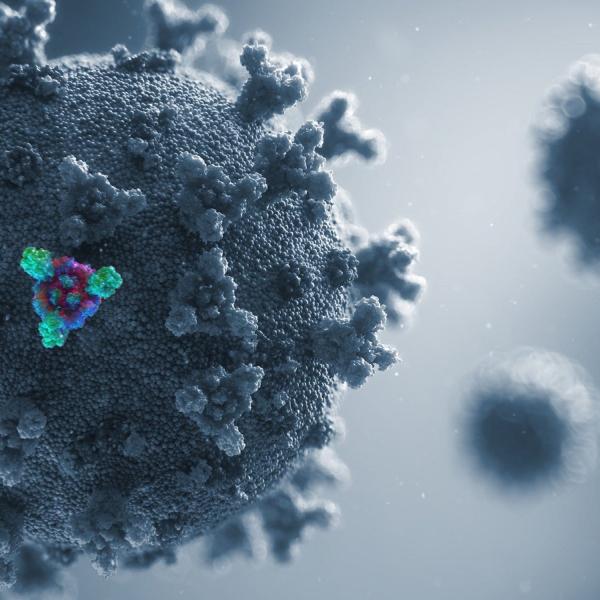
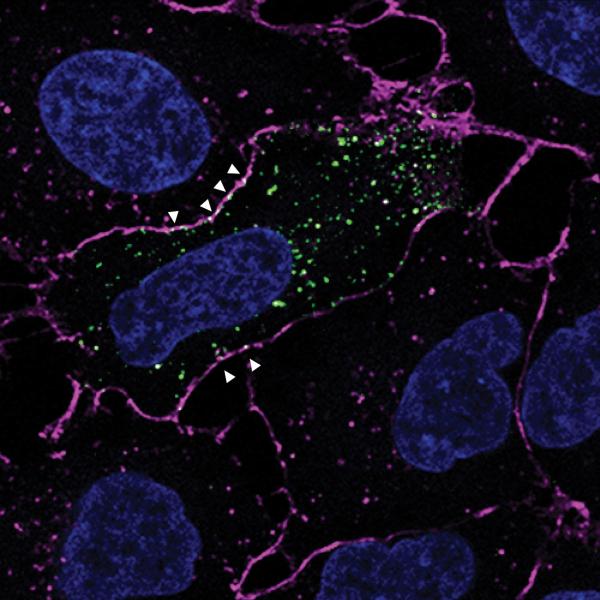
The study, done on a mild-mannered relative of the virus that causes COVID-19, paves the way for seeing more clearly how spike proteins initiate infections, with an eye to preventing and treating them.
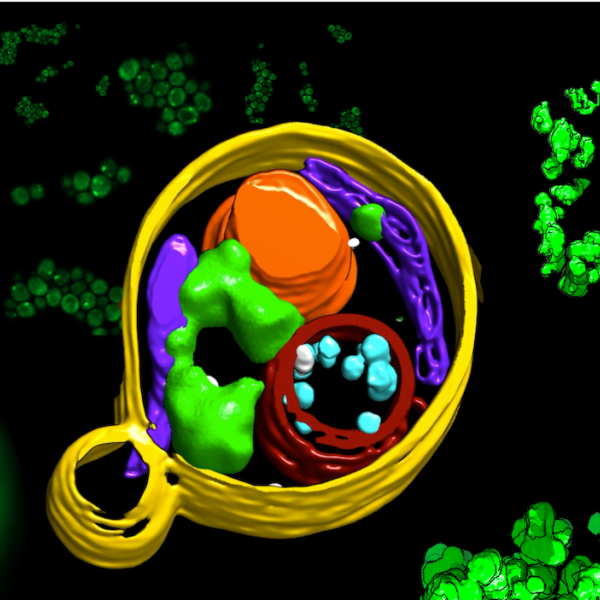
The lab is responding to the coronavirus crisis by imaging disease-related biomolecules, developing standards for reliable coronavirus testing and enabling other essential research.
University of Alberta researchers worked with SLAC X-ray scientists to explore the potential of a feline coronavirus drug that may be effective against SARS-CoV-2.
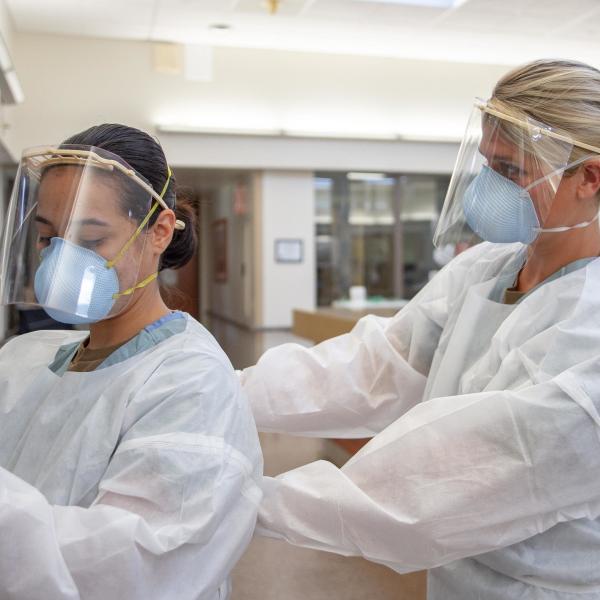
They found that gently heating N95 masks in high relative humidity could inactivate SARS-CoV-2 virus trapped within the masks, without degrading the masks’ performance.
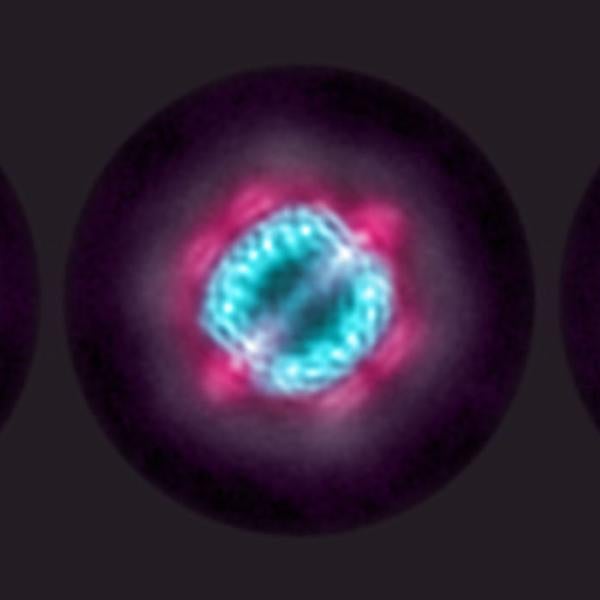
Sandwiching wiggly proteins between two other layers allows scientists to get the most detailed images yet of a protein that’s key to the spread of acute myeloid leukemia.
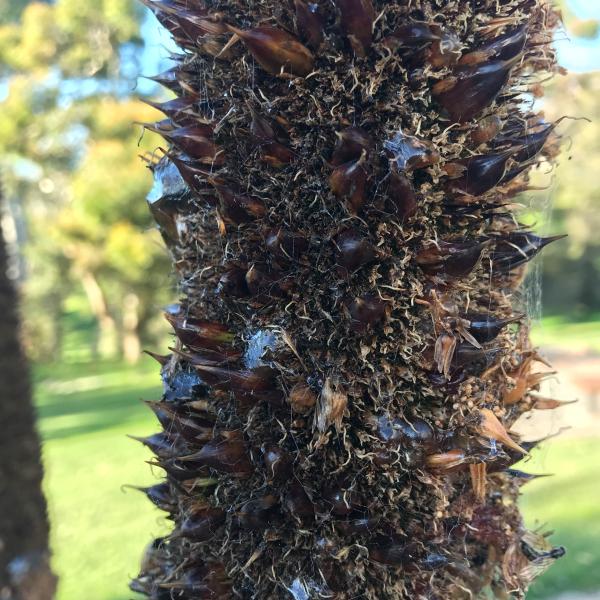
By revealing the chemistry of plant secretions, or exudates, these studies build a basis for better understanding and conserving art and tools made with plant materials.