Particle accelerators are used every day in a wide range of scientific, medical and industrial applications. But did you know that the task of operating these machines is far from mundane? For example, for every experiment at SLAC’s X-ray laser...
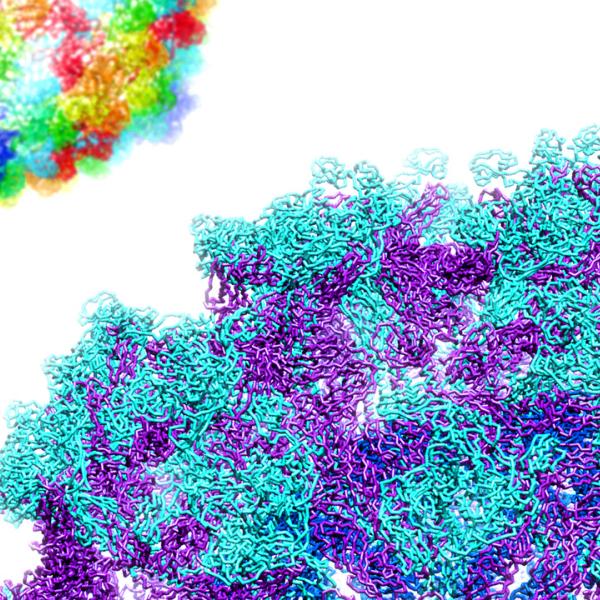
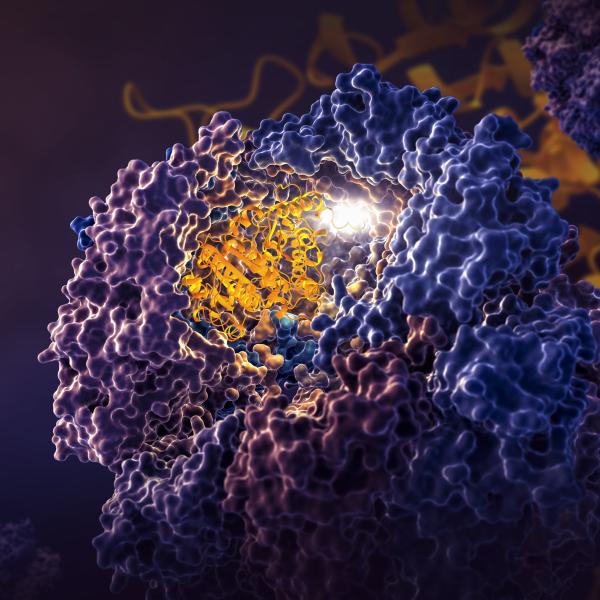
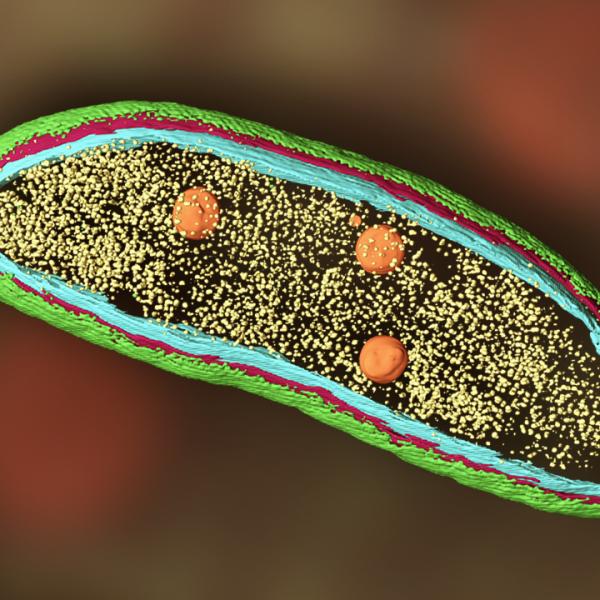
Presented by Wah Chiu. Cryogenic electron microscopy (cryo-EM) is a revolutionary technology for making 3D images of the inner workings of cells in much higher resolution than ever possible before.
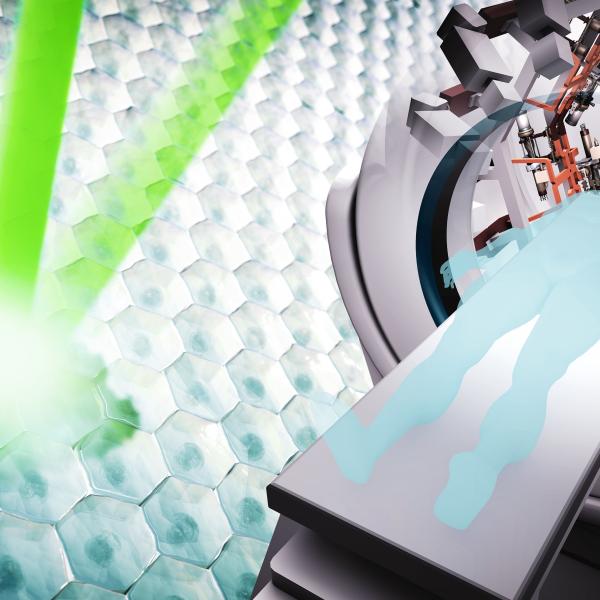
SLAC and Stanford researchers secure support for two projects that share one goal: to reduce the side effects of radiation therapy by vastly shrinking the length of a typical session.
SLAC is uniquely equipped to study viruses like SARS-CoV-2; in fact, we’ve been doing it for decades. This news collection gathers the latest information on COVID-19 research at SLAC.
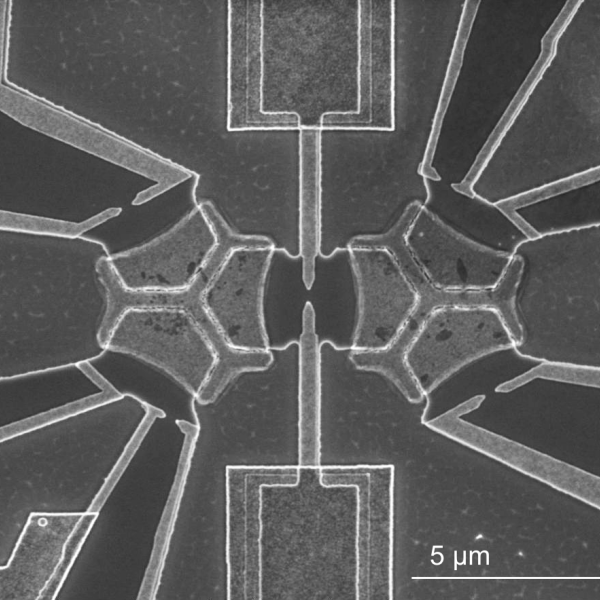
If scaled up successfully, the team's new system could help answer questions about certain kinds of superconductors and other unusual states of matter.
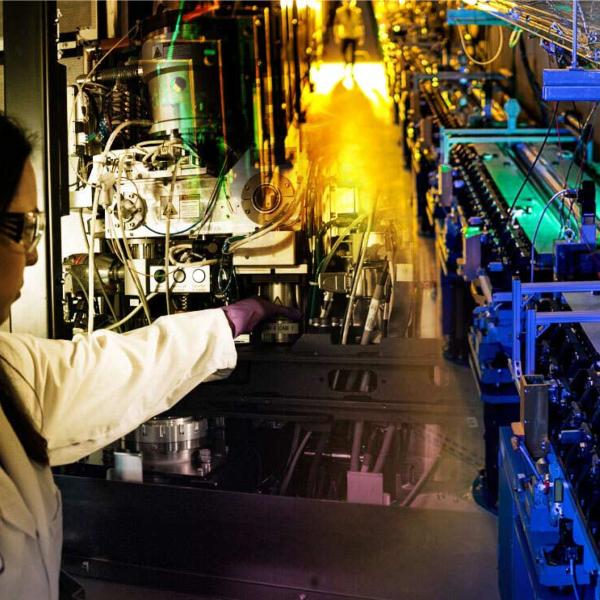
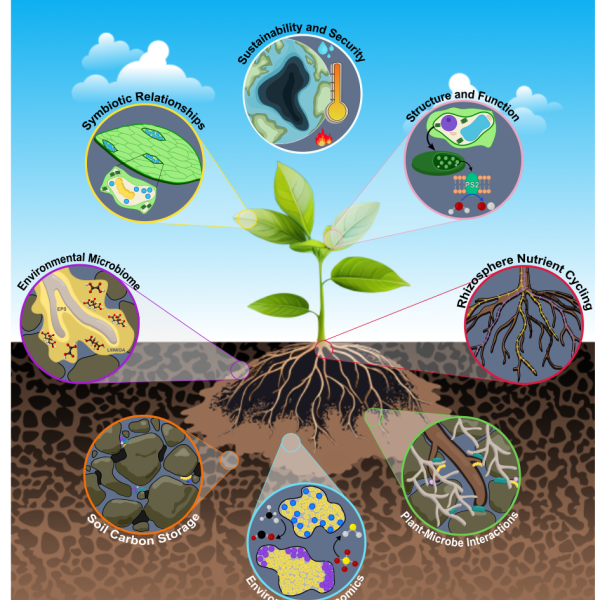
In our rapidly changing world, plants must adapt to new environments or die. Ritimukta Sarangi discusses how researchers and users at SSRL are tackling plant resilience from molecular to ecosystem scales.
Specialist for strategic and technical engagement for scientific computing systems
Areas of research: S3DF (SLAC Shared Science Data Facility); evaluating technologies for massive scale analytics; forming partnerships with technology providers; developing and recruiting computing skills and competencies; supporting science users’ requirements and operational issues; creating business models and technology roadmaps...