The American Physical Society recognized the SLAC and Stanford physicist for decades of groundbreaking work studying the strange behavior of electrons at the interfaces between materials.
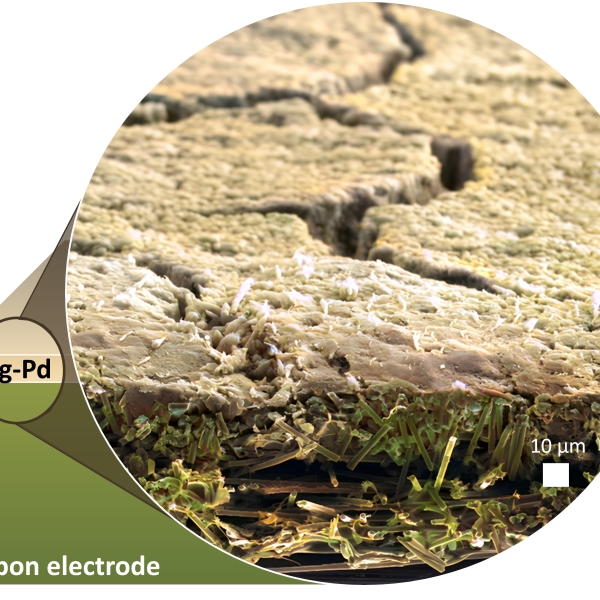
The team reduced the amount of expensive platinum group metals needed to make an effective cell and found a new way to test future fuel cell innovations.
Strongly interacting electrons in quantum materials carry heat and charge in a way that’s surprisingly similar to what individual electrons do in normal metals, a SLAC/Stanford study finds.
With a new method that could be extended to study Earth’s core and nuclear fusion, they identify and explain jumps in the electrical conductivity of aluminum under extreme conditions.
Director, SLAC-Stanford Battery Center; Director, Precourt Institute for Energy; Professor of materials science and engineering and of energy science and engineering; Faculty Scientist, Stanford Institute for Materials and Energy Sciences (SIMES)
Areas of research: energy science; materials for energy; clean energy; sustainability; batteries; energy storage and conversion electrochemistry; redox chemistry; engineering; materials science; X-ray science; A.I. and machine learning
A cellphone-sized device automatically adjusts a home's power use up or down to save the consumer money and increase the resiliency of the electric grid.
How quickly a battery electrode decays depends on properties of individual particles in the battery – at first. Later on, the network of particles matters more.