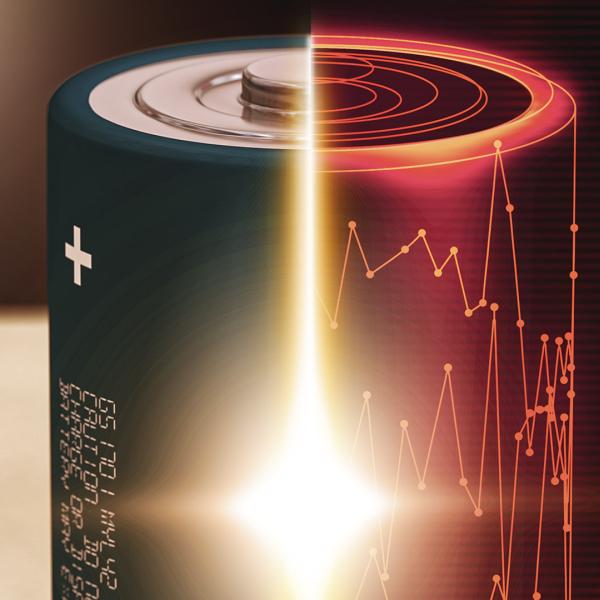
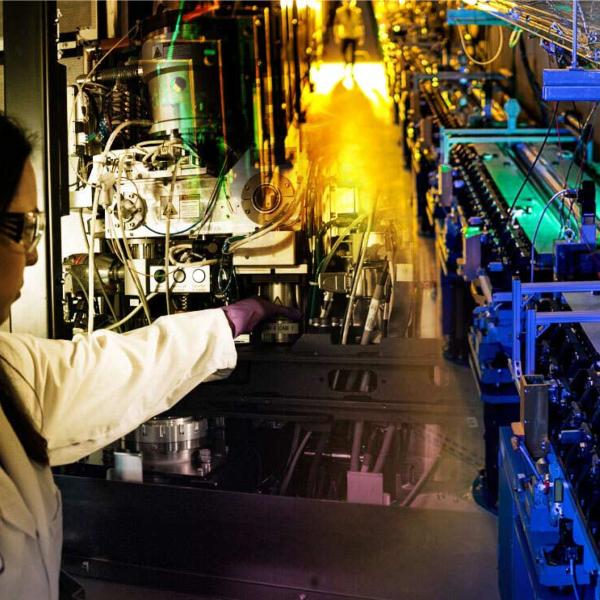
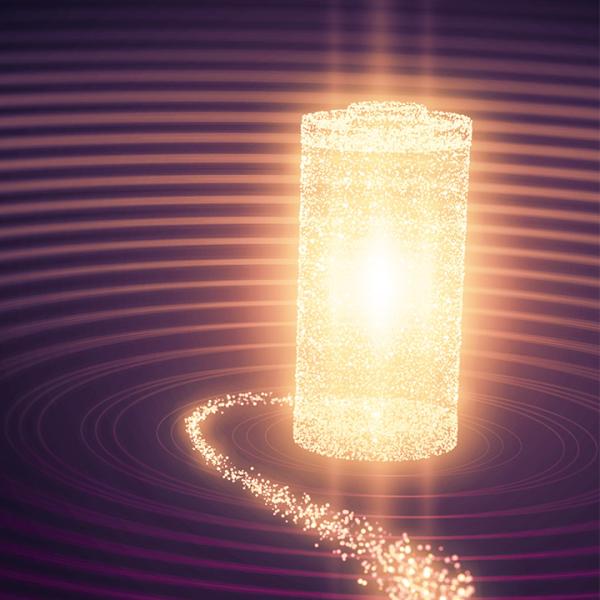
Presented by Yijin Liu. In batteries, energy is stored in tiny particles within the electrodes that individually breathe in and out and chemically evolve as the battery is charged and discharged.
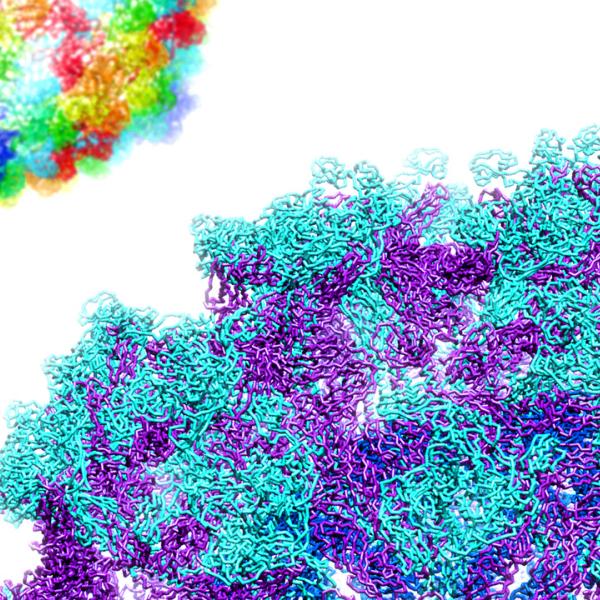
The lab is responding to the coronavirus crisis by imaging disease-related biomolecules, developing standards for reliable coronavirus testing and enabling other essential research.
University of Alberta researchers worked with SLAC X-ray scientists to explore the potential of a feline coronavirus drug that may be effective against SARS-CoV-2.
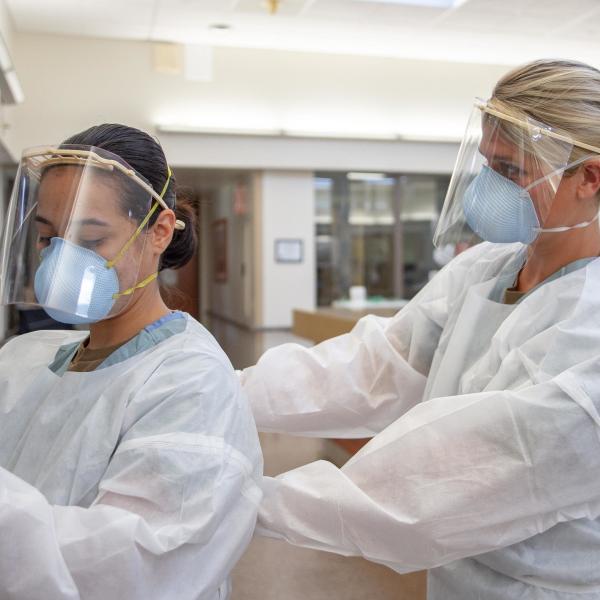
They found that gently heating N95 masks in high relative humidity could inactivate SARS-CoV-2 virus trapped within the masks, without degrading the masks’ performance.
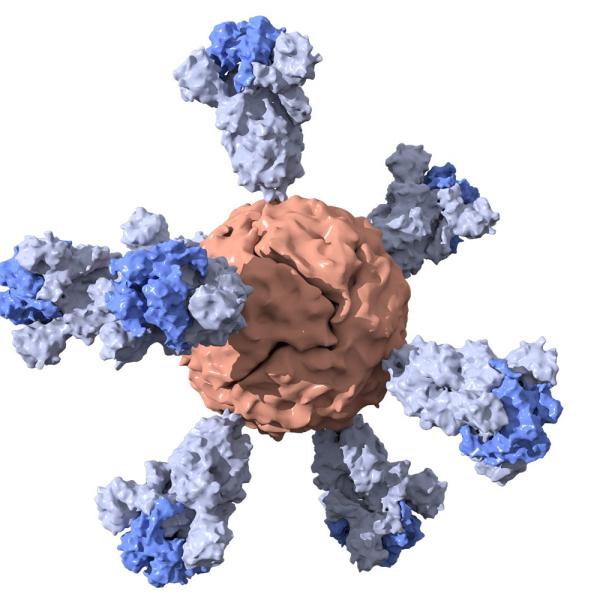
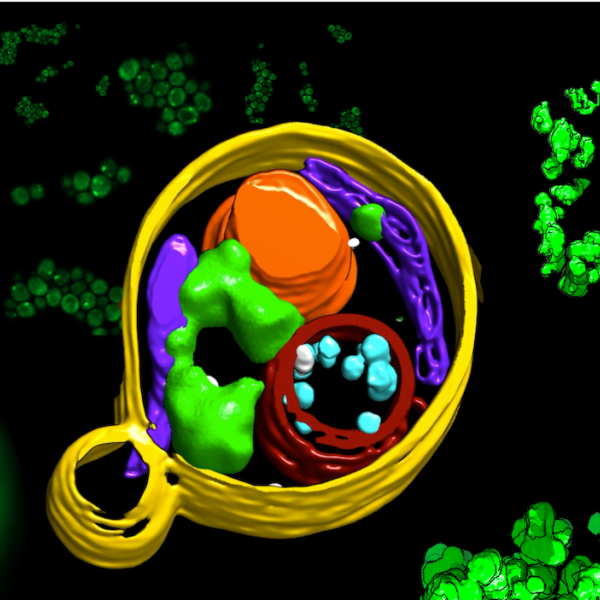
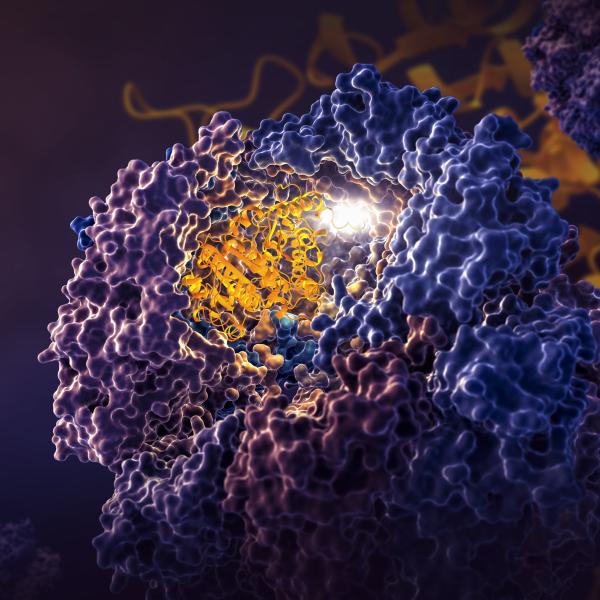
Presented by Wah Chiu. Cryogenic electron microscopy (cryo-EM) is a revolutionary technology for making 3D images of the inner workings of cells in much higher resolution than ever possible before.
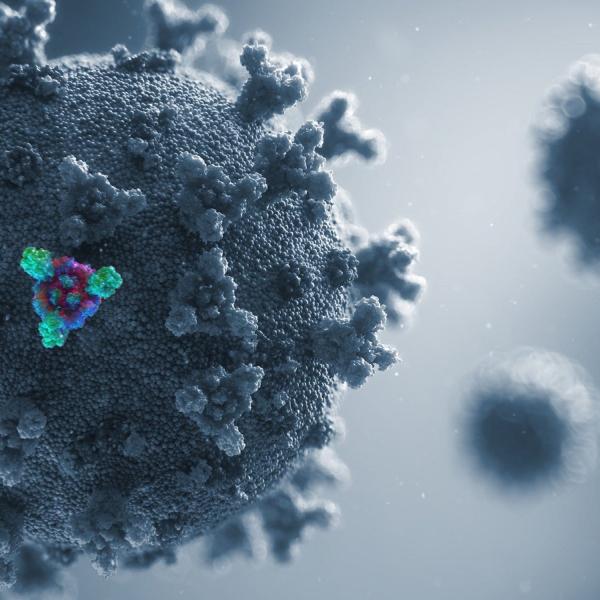
SLAC is uniquely equipped to study viruses like SARS-CoV-2; in fact, we’ve been doing it for decades. This news collection gathers the latest information on COVID-19 research at SLAC.
Presented by Yi Cui, SLAC/Stanford University. To transform our energy sources to carbon neutrality, we need to power as much of modern society as possible with clean electricity.