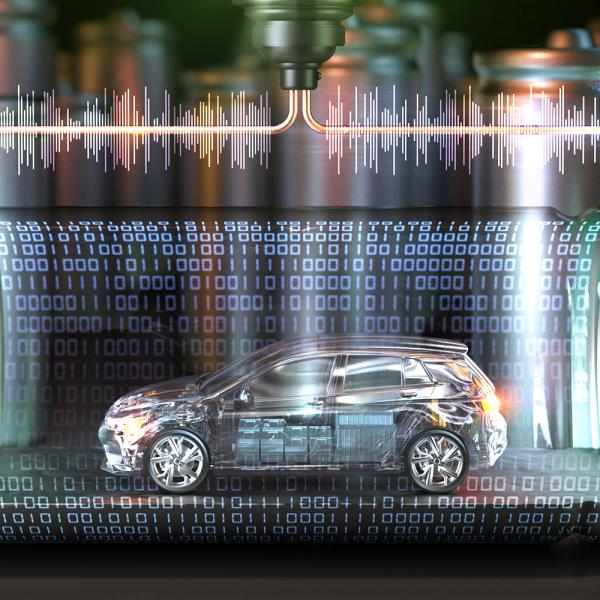
Charging lithium-ion batteries at high currents just before they leave the factory is 30 times faster and increases battery lifespans by 50%, according to a study at the SLAC-Stanford Battery Center.
It is a mystery how the earliest organisms on earth evolved the means to thrive, grow and reproduce under the sparse conditions of the young planet. Primordial earth had little oxygen and in the deep seas, no available light. One...
Consumers’ real-world electric vehicle driving benefits batteries more than the steady use simulated in almost all laboratory tests of new battery designs, a Stanford-SLAC study finds.
Register to watch in person in the Kavli Auditorium, or watch the lecture live on our YouTube page. Plants supply us with food, clothing, medicines, fuels, and other necessities of life. For their growth, plants need essential minerals from the...
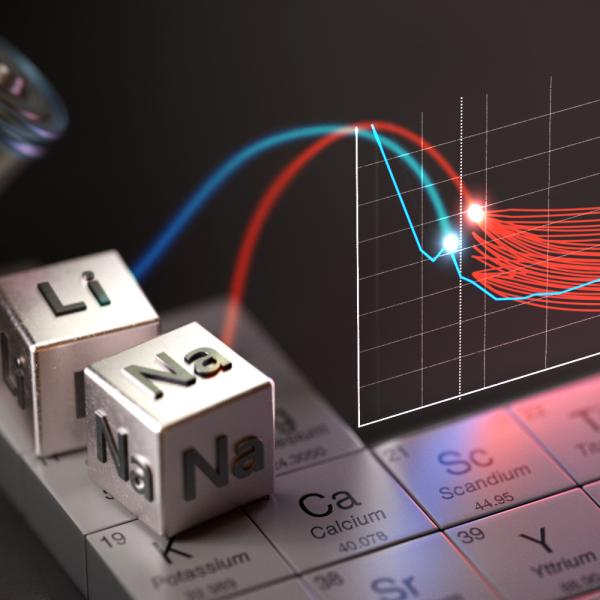
A market and supply chain analysis for sodium- and lithium-ion batteries is the first by STEER, a new Stanford-SLAC energy technology analysis program.
SLAC Deputy Director for Science and Technology Alberto Salleo's lab at Stanford is creating artificial synapses to replicate the brain’s efficiency and learning capacity in computing systems.