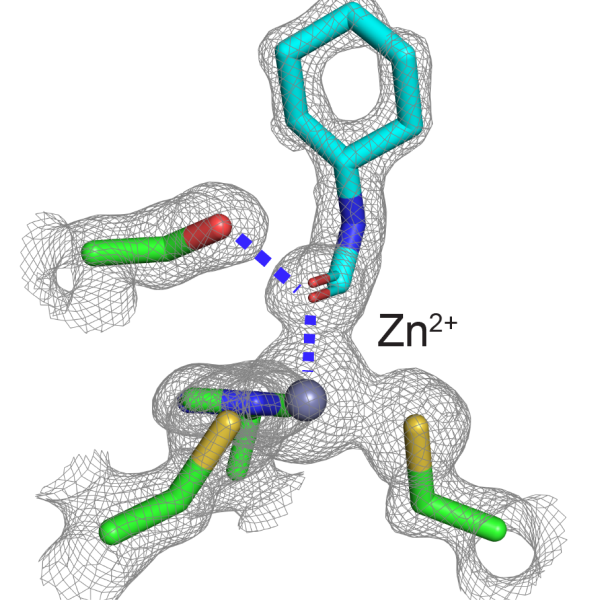
A swap of metals and a mutation ramp up the electric field strength at the active site of an enzyme, making it works an astonishing 50 times faster than its unmodified analog.
The American Physical Society recognized the SLAC and Stanford physicist for decades of groundbreaking work studying the strange behavior of electrons at the interfaces between materials.
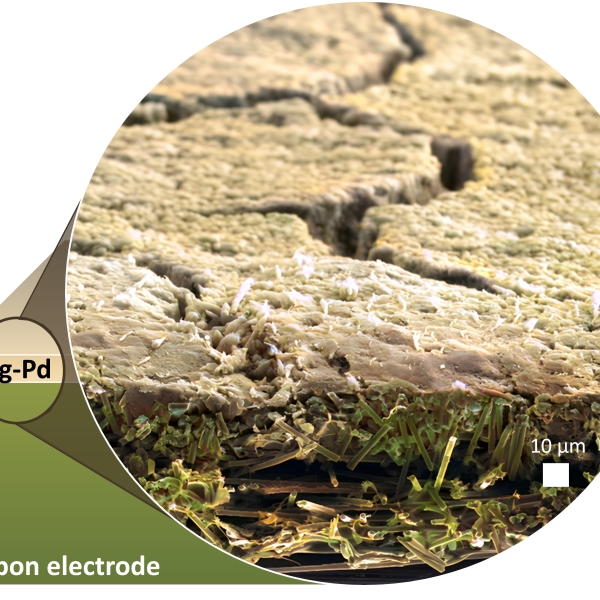
The team reduced the amount of expensive platinum group metals needed to make an effective cell and found a new way to test future fuel cell innovations.
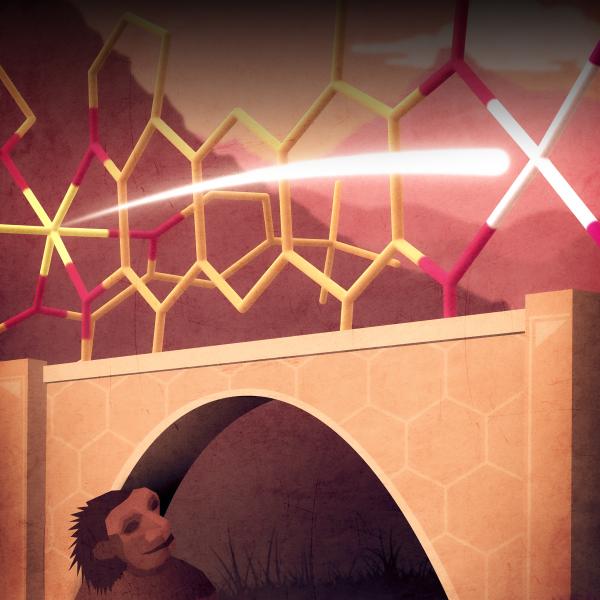
Strongly interacting electrons in quantum materials carry heat and charge in a way that’s surprisingly similar to what individual electrons do in normal metals, a SLAC/Stanford study finds.