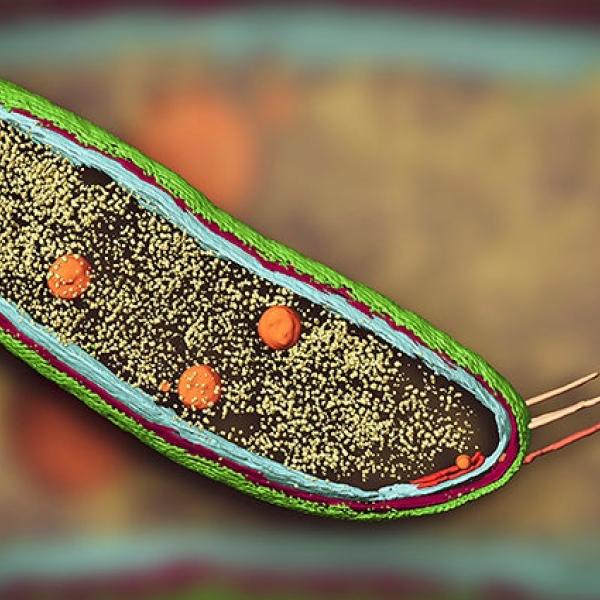
Presented by Franklin Fuller. Over billions of years, plants and cyanobacteria changed the Earth’s atmosphere by inhaling carbon dioxide, storing the carbon in solid biomass and exhaling oxygen.
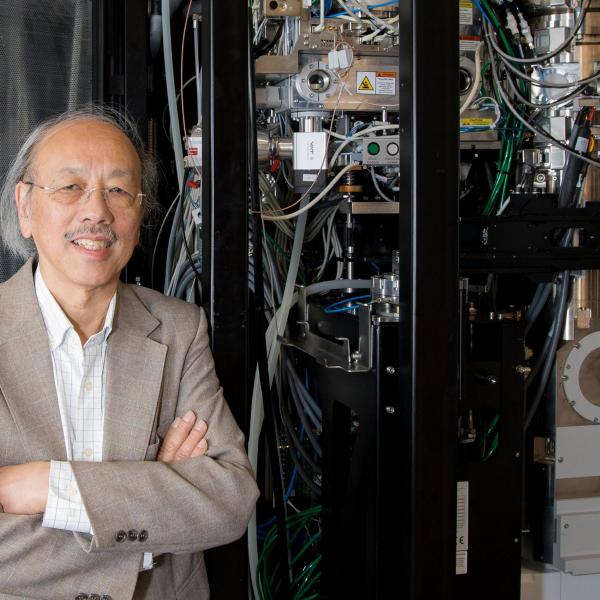
Professor at SLAC and Stanford Director of CryoEM and Bioimaging Division at SLAC
Areas of research: Science of life; cryo-EM; bioimaging; RNA structure; cryo-ET of neuronal cells; atomic-resolution cryo-EM; pandemic-related structures
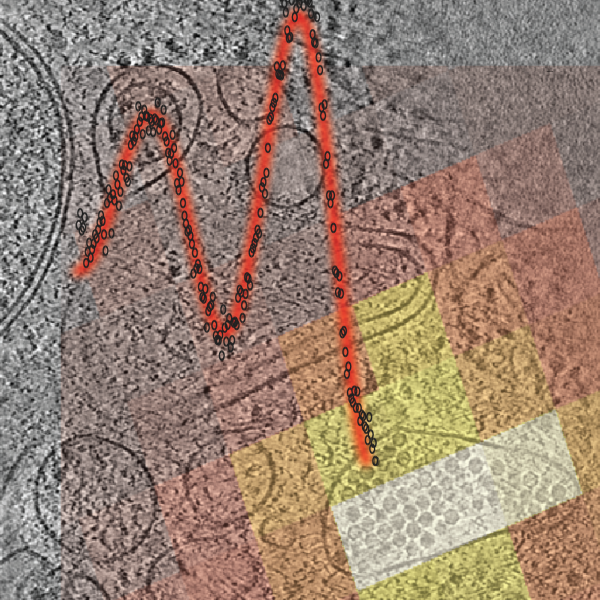
Taking pictures of tiny, flash-frozen things with electrons is revolutionizing biology and technology. SLAC and Stanford host one of the world’s leading facilities for doing cryo-EM research, improving the technology and making it available to researchers across the country.
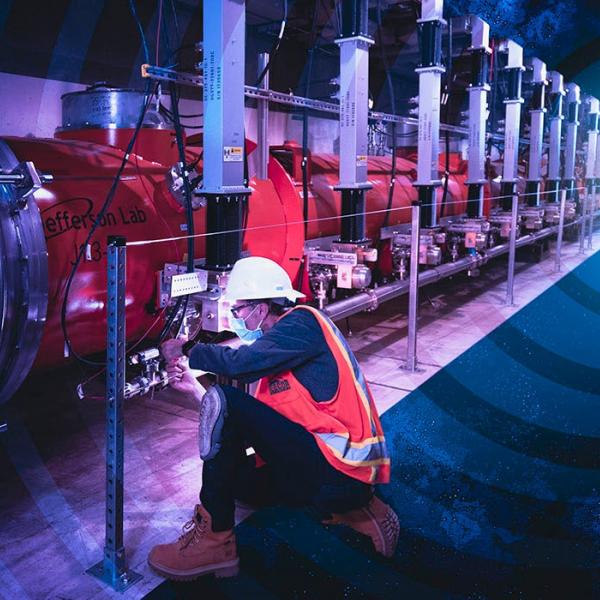
The facility, LCLS-II, will soon sharpen our view of how nature works on ultrasmall, ultrafast scales, impacting everything from quantum devices to clean energy.
Their strategy revealed new details that open the door to designing proteins with powerful abilities that could ultimately benefit medicine and manufacturing.
The Accelerator Directorate fosters world-leading accelerator science and technologies for future accelerators, while enabling user research and accelerator R&D programs today.