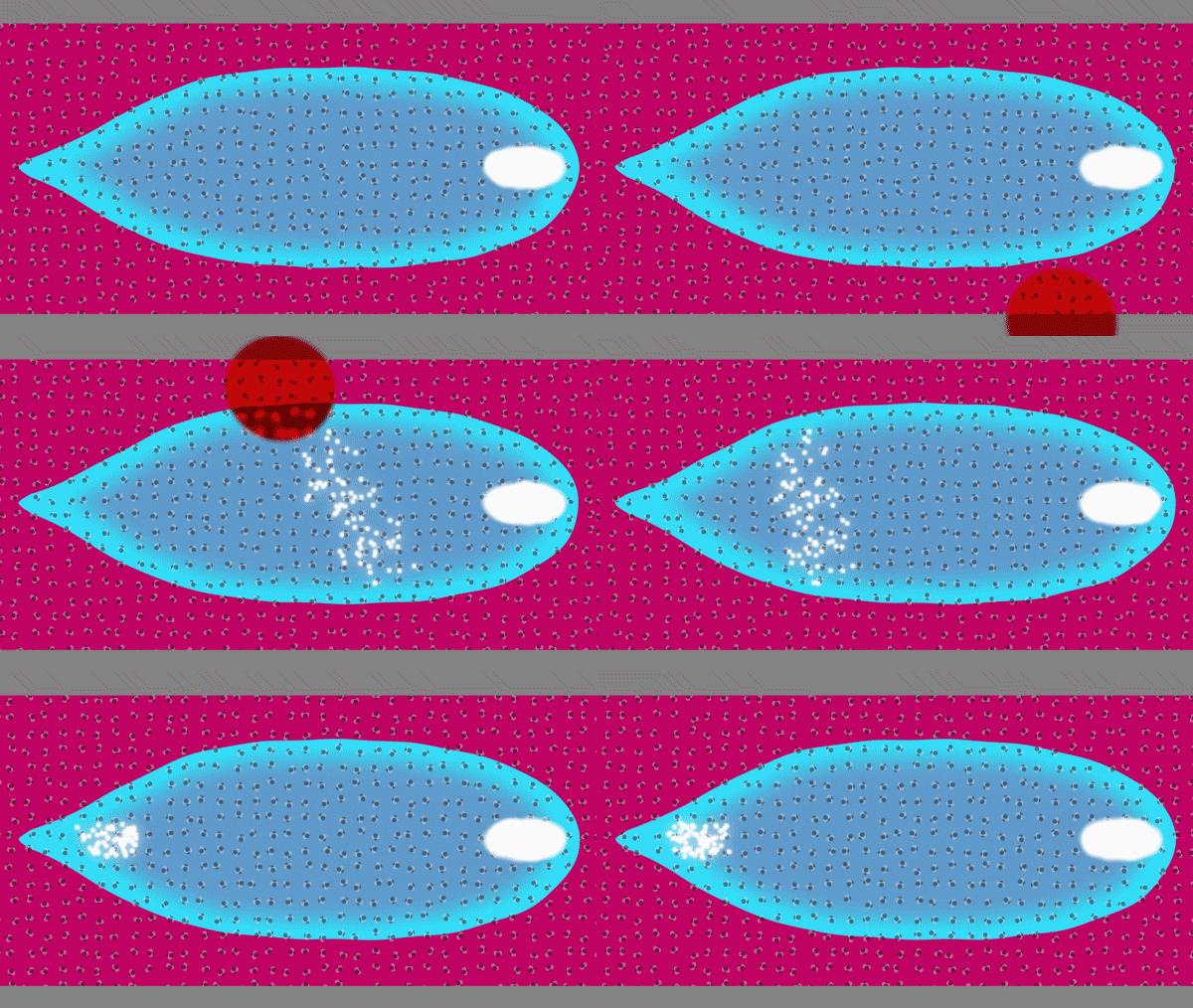
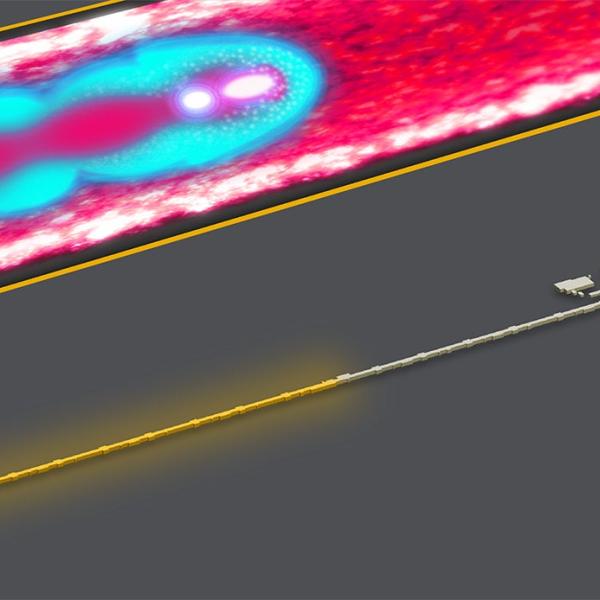
Animation illustrating the concept of the Trojan horse method. An electron bunch from SLAC’s FACET facility (bright spot at right) passes through hydrogen plasma (purple).
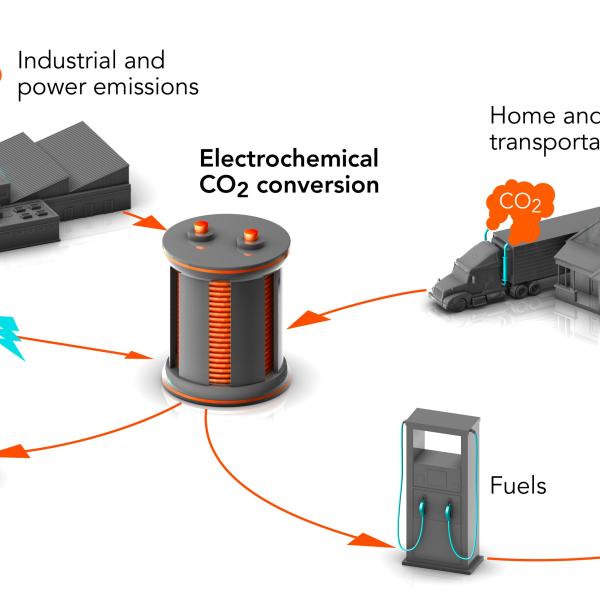
Researchers at Stanford and SLAC are working on ways to convert waste carbon dioxide (CO2) into chemical feedstocks and fuels, turning a potent greenhouse gas into valuable products. The process is called electrochemical conversion. When powered by renewable energy sources...
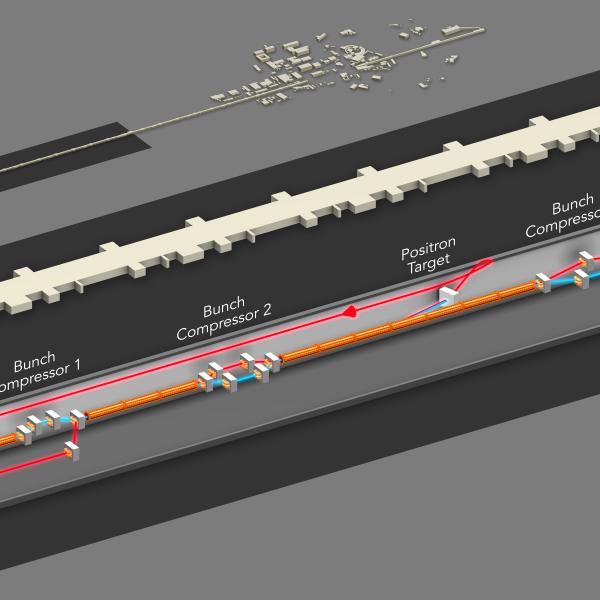
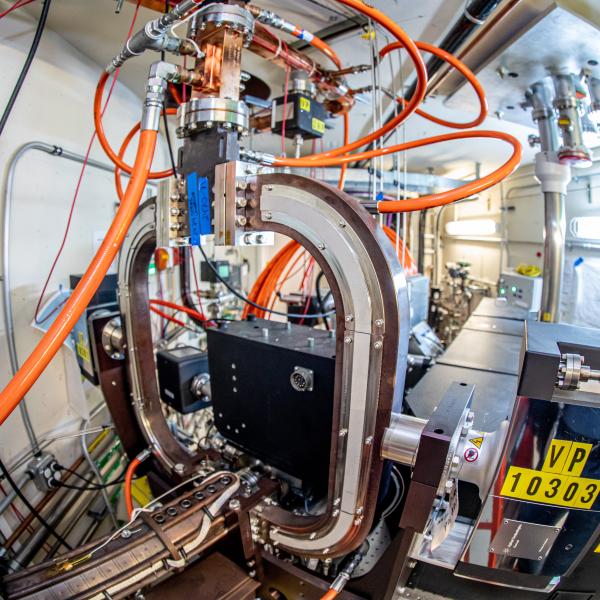
FACET-II is the only facility in the world capable of providing high-energy electron and positron beams for researching a vast array of revolutionary accelerator technologies that could shrink future accelerators by factors of 100 to 1,000 and sharpen their capabilities.
Over the course of two years, crews at SLAC installed a state-of-the-art high brightness electron source and new electron bunch compressor systems for producing intense beams.
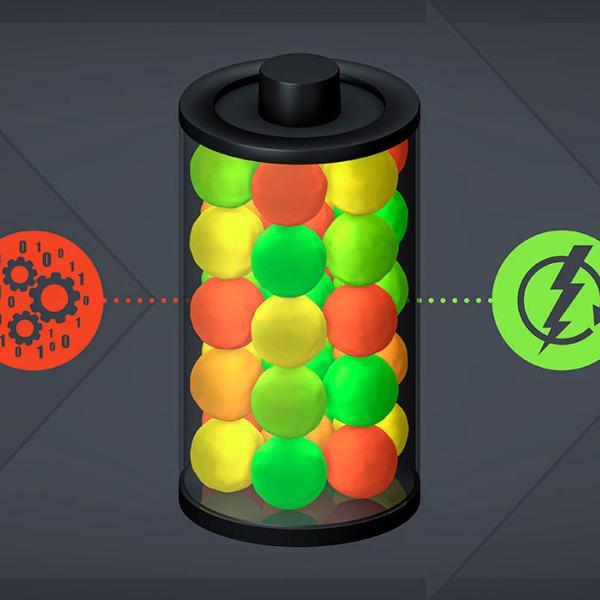
Diagram with icons depicting how X-ray studies, machine learning and lab work (left) were used to study electrode nanoparticles (center) for batteries used in electric vehicles, consumer electronics and solar power (right).