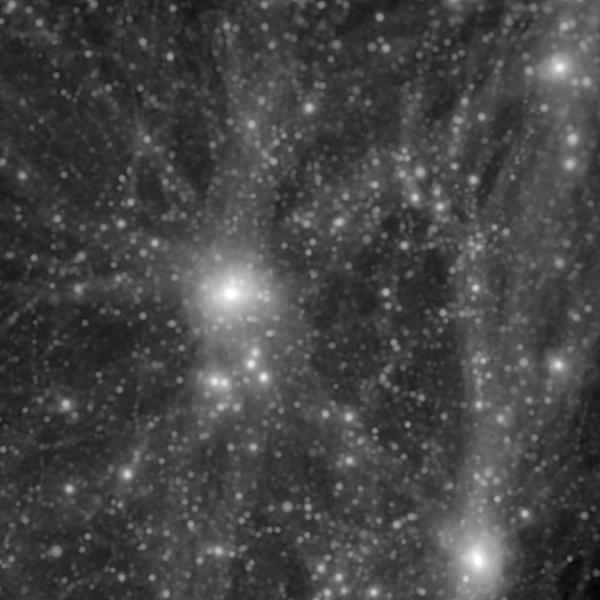
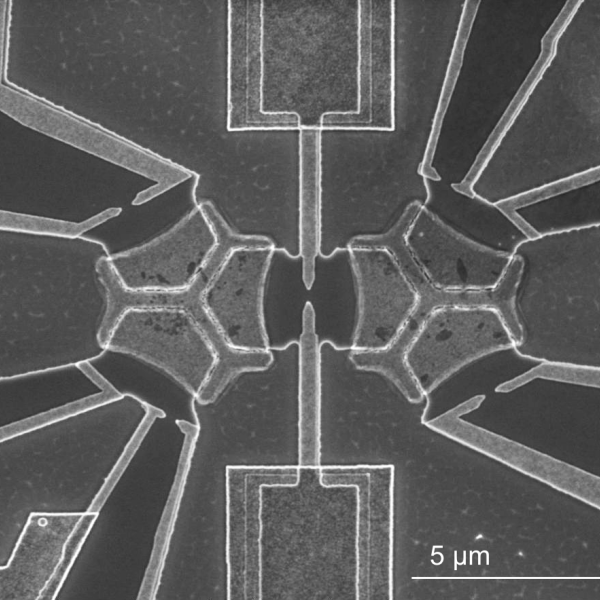
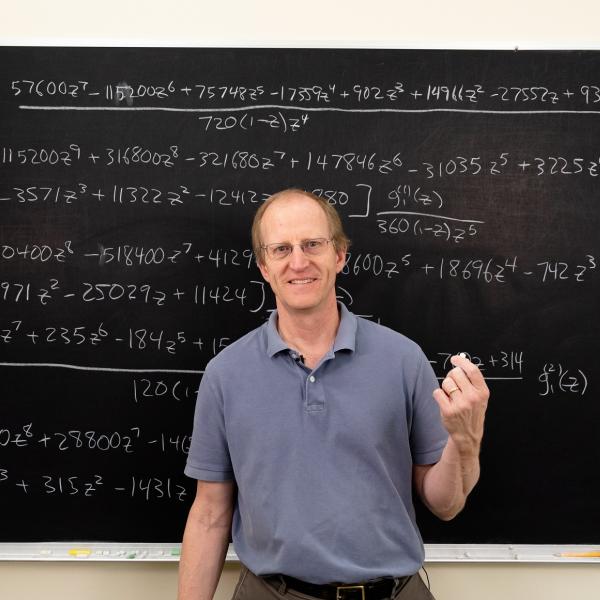
Monika Schleier-Smith and Kent Irwin explain how their projects in quantum information science could help us better understand black holes and dark matter.
Particle accelerators are used every day in a wide range of scientific, medical and industrial applications. But did you know that the task of operating these machines is far from mundane? For example, for every experiment at SLAC’s X-ray laser...
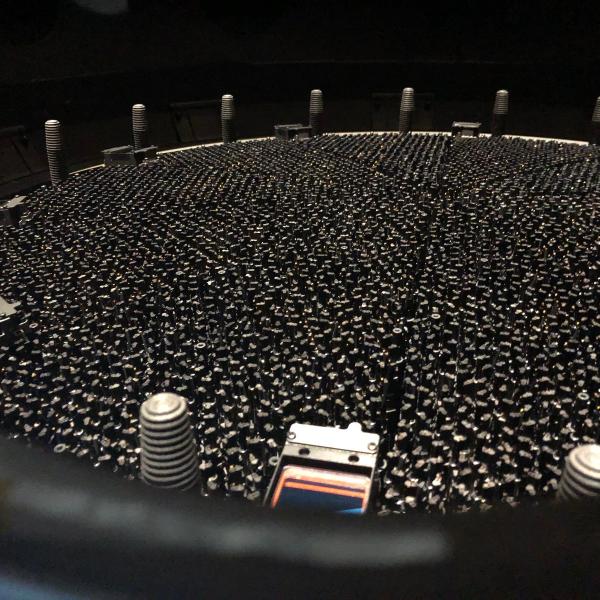
The Dark Energy Spectroscopic Instrument begins final testing, setting the stage for a 5-year survey that will analyze the light of 35 million galaxies.
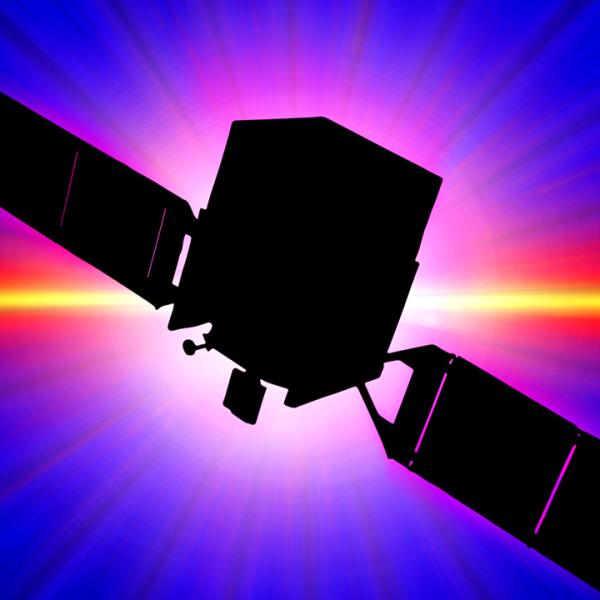
Presented by Eric Charles. A single gamma ray carries millions of times the energy of a single photon of visible light. This means that gamma rays are produced only in the most convulsive environments in the universe – pulsars spinning...
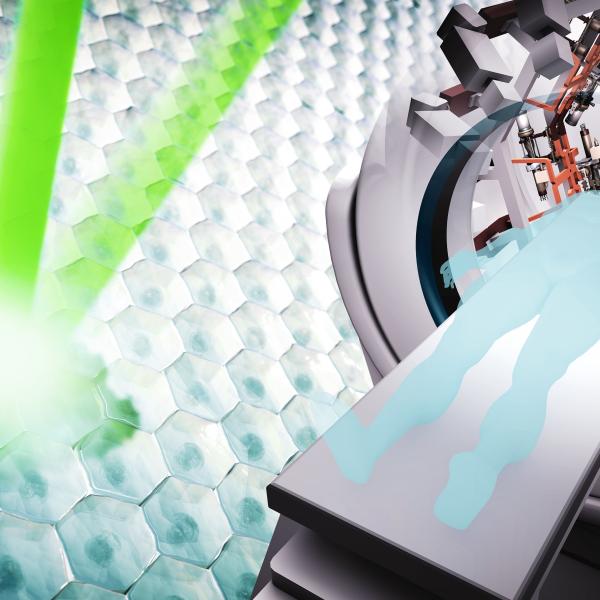
SLAC and Stanford researchers secure support for two projects that share one goal: to reduce the side effects of radiation therapy by vastly shrinking the length of a typical session.
If scaled up successfully, the team's new system could help answer questions about certain kinds of superconductors and other unusual states of matter.