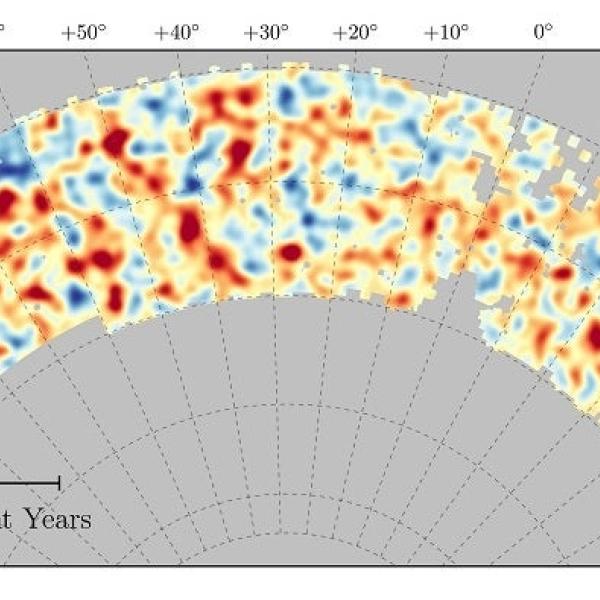
A map of the sky showing the density of galaxy clusters, galaxies and matter in the universe over the part of the sky observed by the Dark Energy Survey. The left panel shows the galaxy density in that part of...
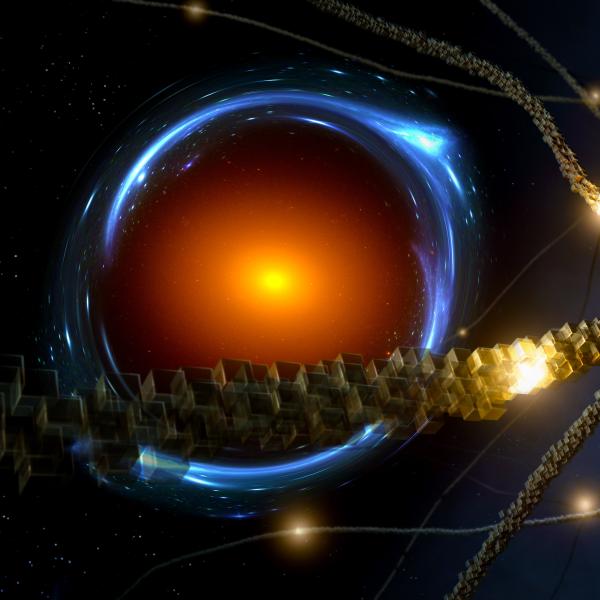
KIPAC scientists have for the first time used artificial neural networks to analyze complex distortions in spacetime, called gravitational lenses, demonstrating that the method is 10 million times faster than traditional analyses.
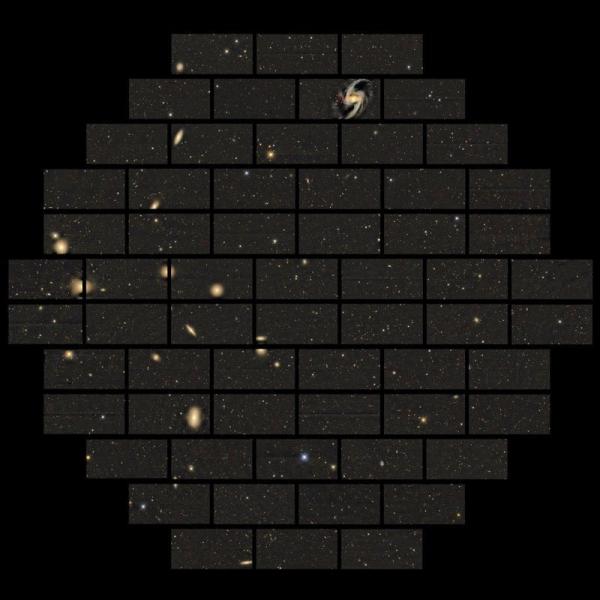
Image from the Dark Energy Camera (DECam), which is mounted on the Victor M. Blanco 4-meter Telescope at the Cerro Tololo Inter-American Observatory (CTIO) in the Chilean Andes.
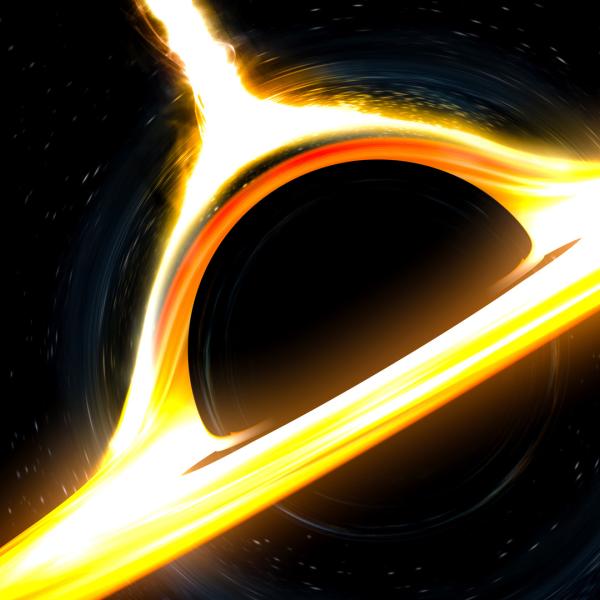
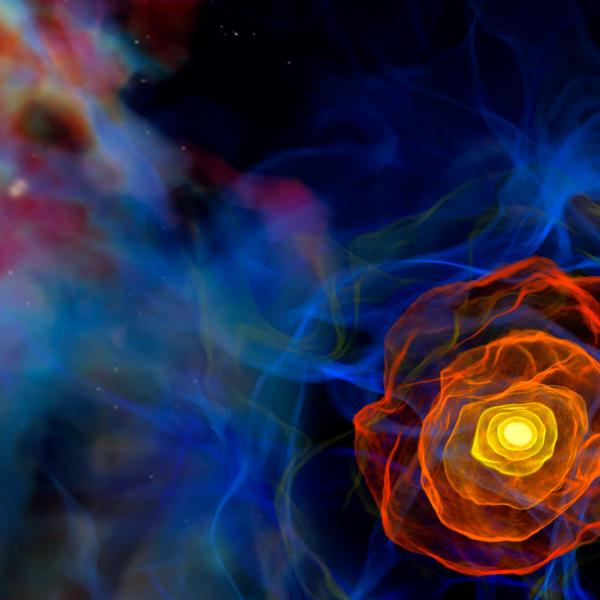
What was the first thing in the Universe? A black hole or a star? How did it form? Even our biggest and best telescopes cannot tell us. Direct calculation with supercomputers, however, can. The first luminous objects in the Universe...
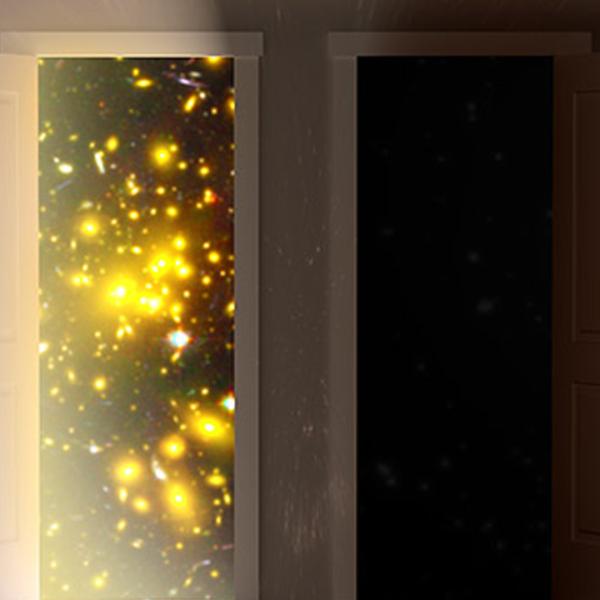
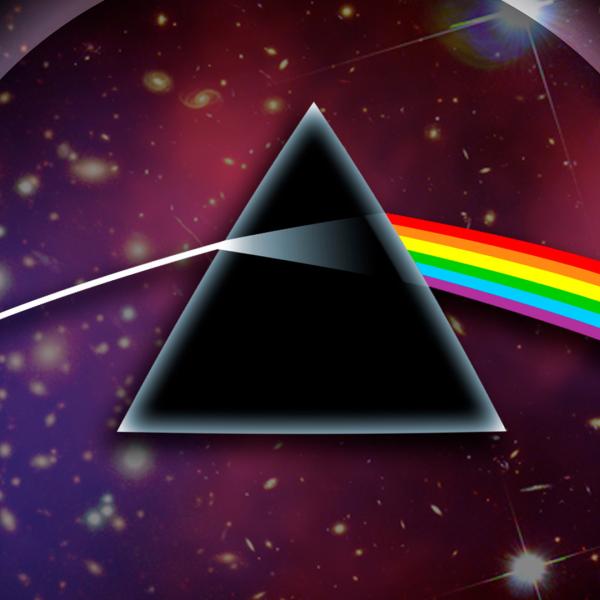
Presented by Marusa Bradac. One of the greatest accomplishments in recent astrophysics is the creation of a model for the complete inventory of the Universe. All the observational data tells us with extremely high certainty that ordinary matter (every particle...
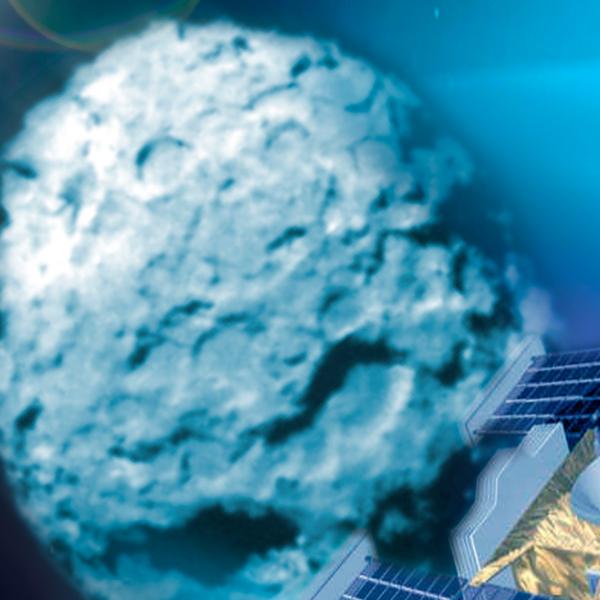
Presented by Sean Brennan. The Stardust mission returned from a 6-year voyage in January of 2006. During the mission it swept through the tail of comet Wild 2 (pronounced Vilt), collecting the microscopic particles streaming from it.
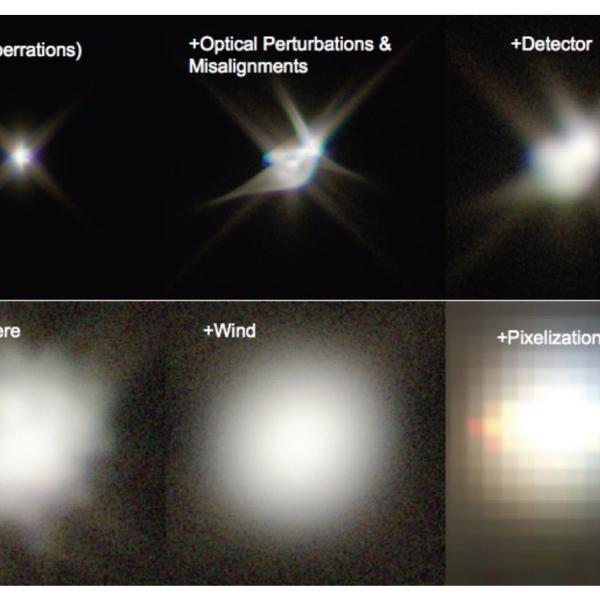
In repeatedly and systematically surveying the sky with deep, large-field-of-view images in six optical color bands on a 3 billion pixel camera for years, the Large Synoptic Survey Telescope will home in on the nature of dark energy and increase...
Presented by JoAnne Hewett. Extra dimensions of space may be present in our universe. Their discovery would dramatically change our view of the cosmos and would prompt many questions. How do they hide? What is their shape? How many are...