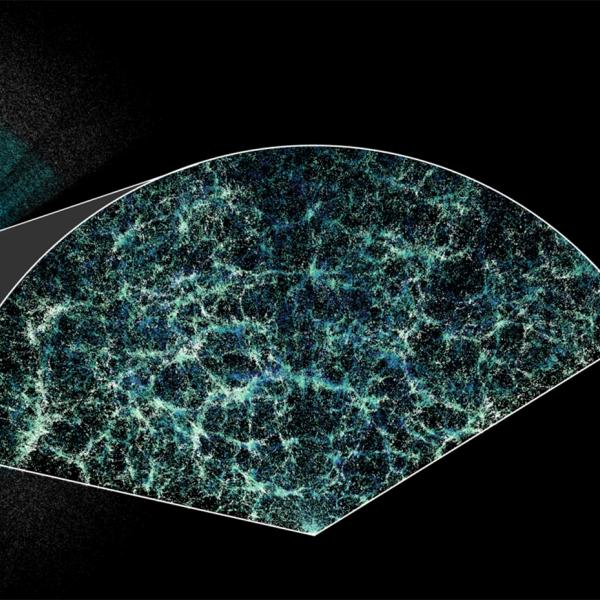
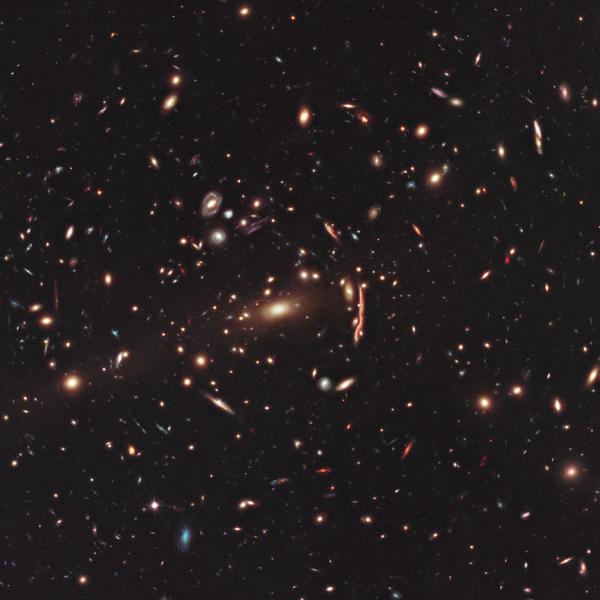
Researchers have used the Dark Energy Spectroscopic Instrument to make the largest 3D map of our universe and world-leading measurements of dark energy, the mysterious force behind its accelerating expansion.
Latin America has reached a pivotal moment in experimental particle physics and astrophysics research. Throughout the month of October, Symmetry will explore how.
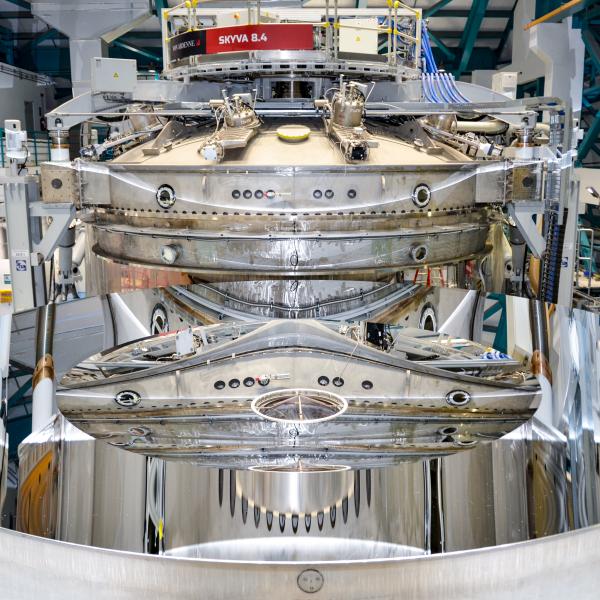
The first reflective coating was applied to Vera C. Rubin Observatory’s 8.4-meter combined primary/tertiary mirror using the observatory’s onsite coating chamber.
As the SLAC-Stanford institute celebrates its 20th anniversary, three Kavli Institute for Particle Astrophysics and Cosmology researchers share what they’re most excited for in years to come.
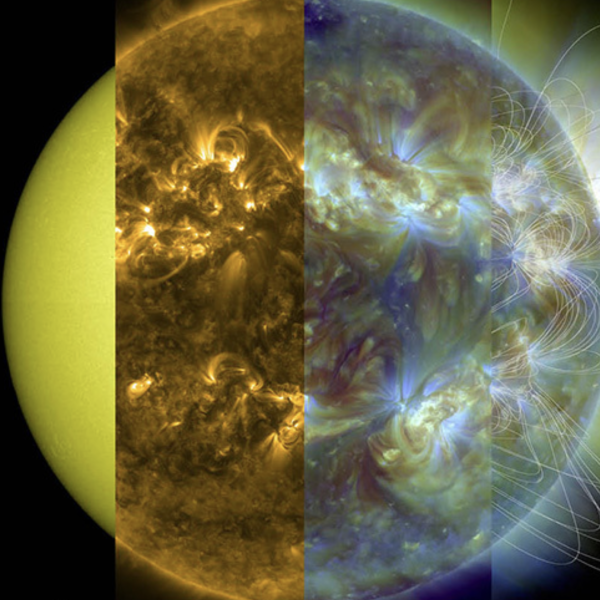
In this lecture, we will together embark on an adventure to uncover the enigmatic and awe-inspiring secrets of the Sun through the lens of solar astrophysics.
Feature · Stanford School of Humanities and Sciences
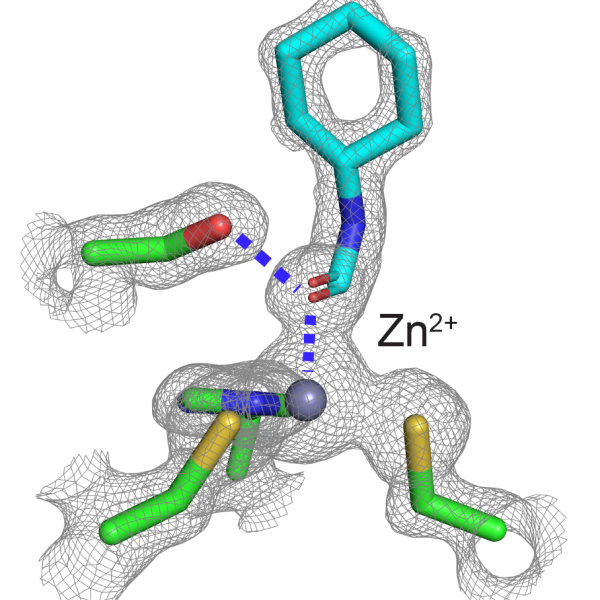
A swap of metals and a mutation ramp up the electric field strength at the active site of an enzyme, making it works an astonishing 50 times faster than its unmodified analog.
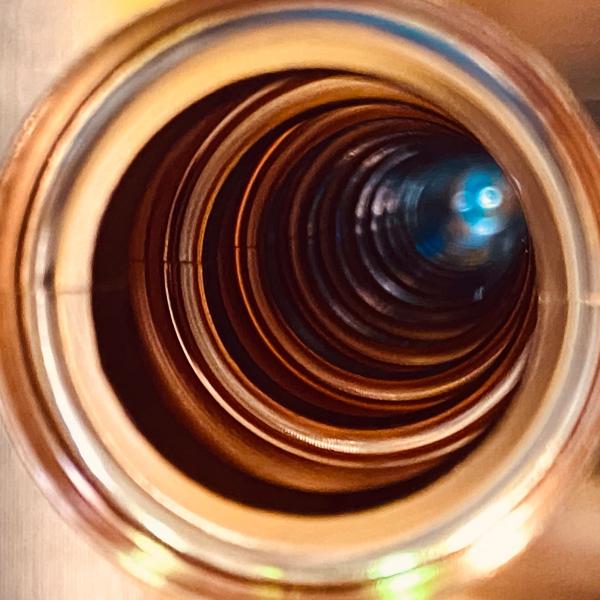
The future of experimental particle physics is exciting – and energy intensive. SLAC physicists are thinking about how to make one proposal, the Cool Copper Collider, more sustainable.