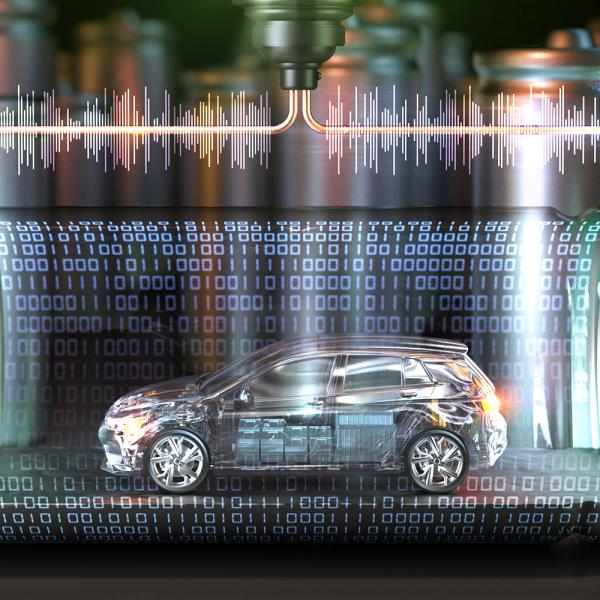
Consumers’ real-world electric vehicle driving benefits batteries more than the steady use simulated in almost all laboratory tests of new battery designs, a Stanford-SLAC study finds.
About 30 years ago an ‘ideas guy’ and a team builder joined forces to search for the invisible bulk of existence. In this Q&A, SLAC’s Thomas Shutt and Daniel Akerib discuss the challenges of their field and how future generations...
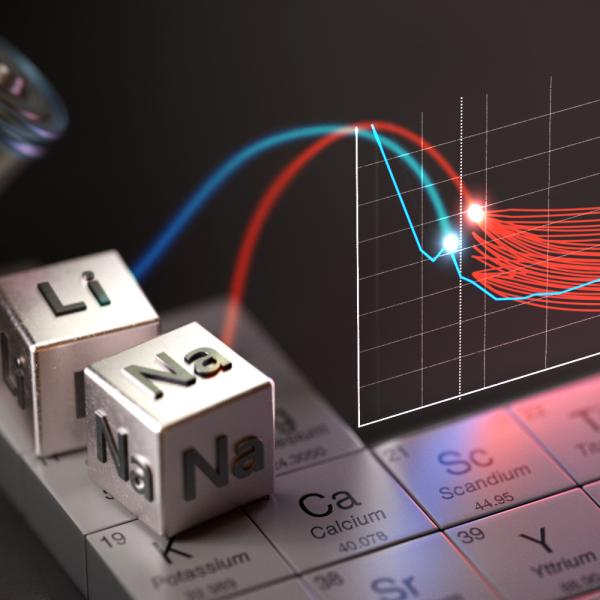
A market and supply chain analysis for sodium- and lithium-ion batteries is the first by STEER, a new Stanford-SLAC energy technology analysis program.
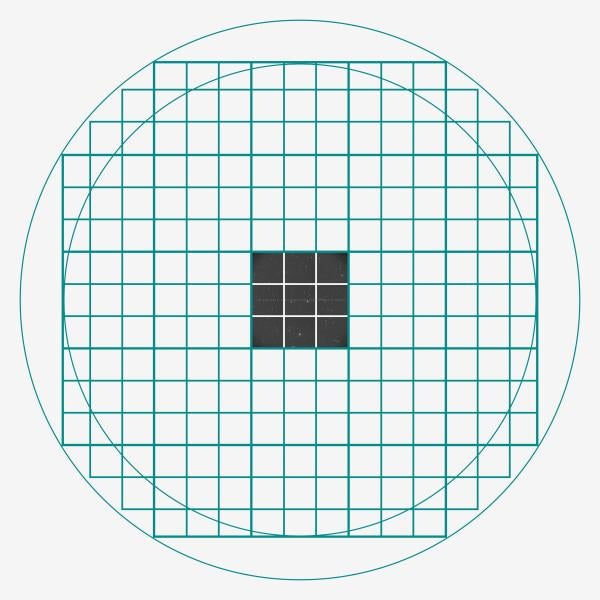
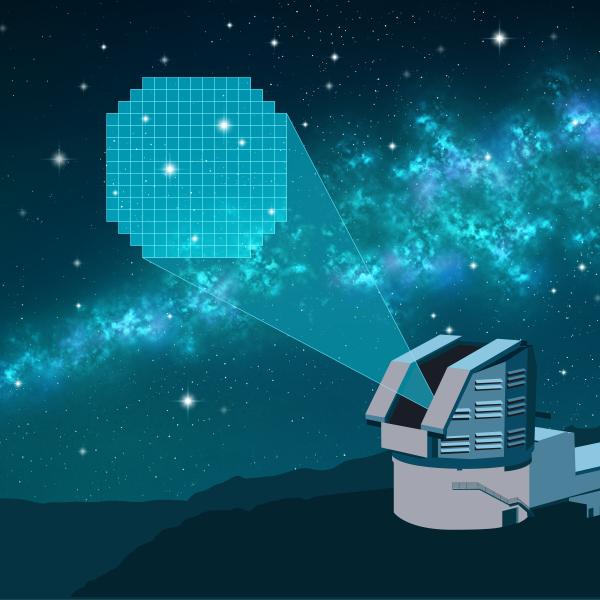
Rubin Observatory’s rapid scanning of the night sky will capture the largest sample of Type Ia supernovae yet, unlocking new insights into dark energy.