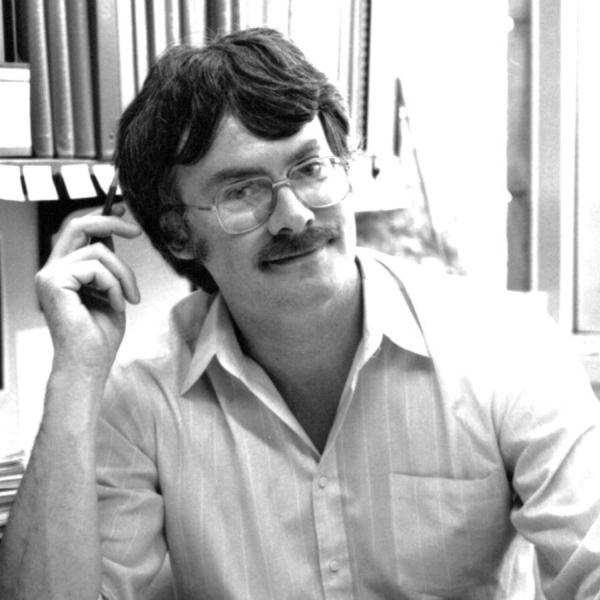
The American Physical Society recognized the SLAC and Stanford physicist for decades of groundbreaking work studying the strange behavior of electrons at the interfaces between materials.
The future of experimental particle physics is exciting – and energy intensive. SLAC physicists are thinking about how to make one proposal, the Cool Copper Collider, more sustainable.
The team reduced the amount of expensive platinum group metals needed to make an effective cell and found a new way to test future fuel cell innovations.
The Fundamental Physics Directorate brings together scientists and technologies that support national priorities in particle physics, astrophysics and cosmology to explore the basic particles and forces that knit the cosmos together.
Strongly interacting electrons in quantum materials carry heat and charge in a way that’s surprisingly similar to what individual electrons do in normal metals, a SLAC/Stanford study finds.
From studying chemical reactions that happen in femtosecond timescale to advancing society’s energy technology, the Energy Sciences Directorate’s research addresses an enormous range of critical scientific challenges.
A new report outlines suggestions for federal investments needed for the next generation of transformative discoveries in particle physics and cosmology, including priority projects at SLAC.
The new SLAC-Stanford Battery Center creates a generational opportunity enabling translational research in electrochemical science and technology bridging across fundamental science to deployment.