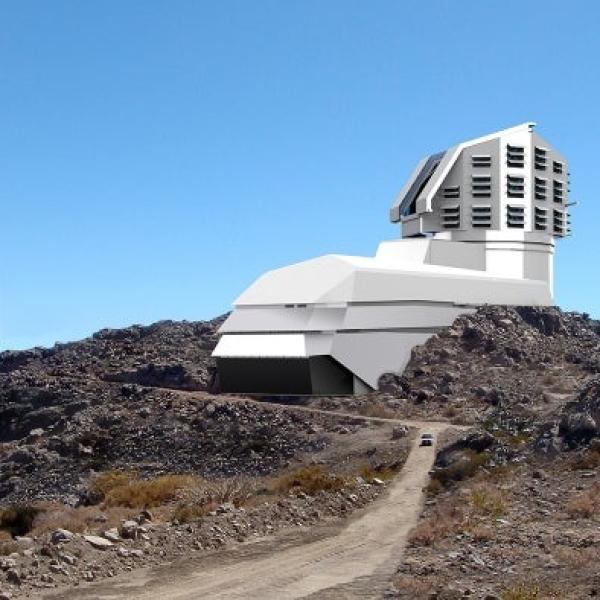
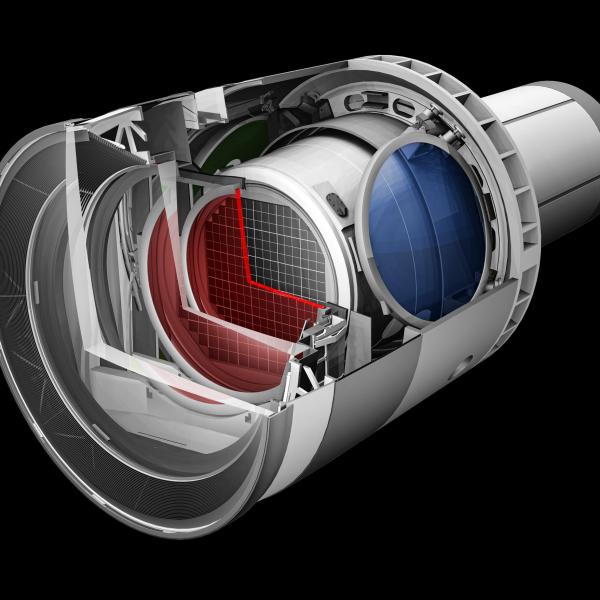
The Association of Universities for Research in Astronomy (AURA) announced today that Dr. Steven M. Kahn will assume the role of Director of the Large Synoptic Survey Telescope (LSST) Project effective July 1, 2013.
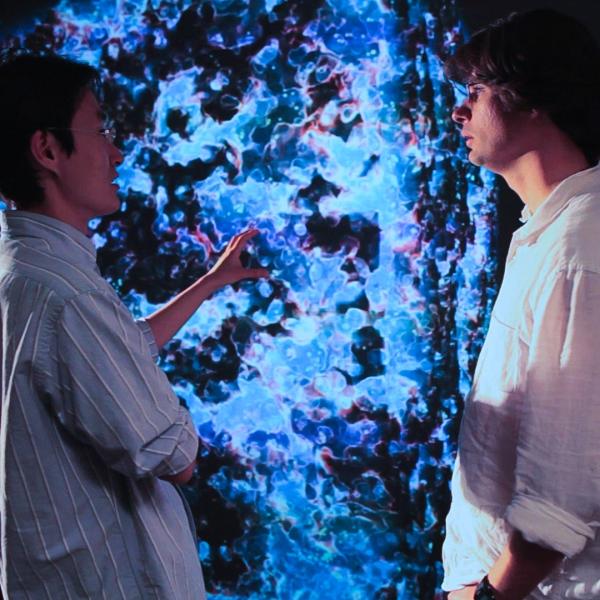
From their seats in the Morrison Planetarium at the California Academy of Sciences in San Francisco, visitors swoop through a redwood forest, into a single redwood leaf and finally into an individual cell to watch photosynthesis take place.
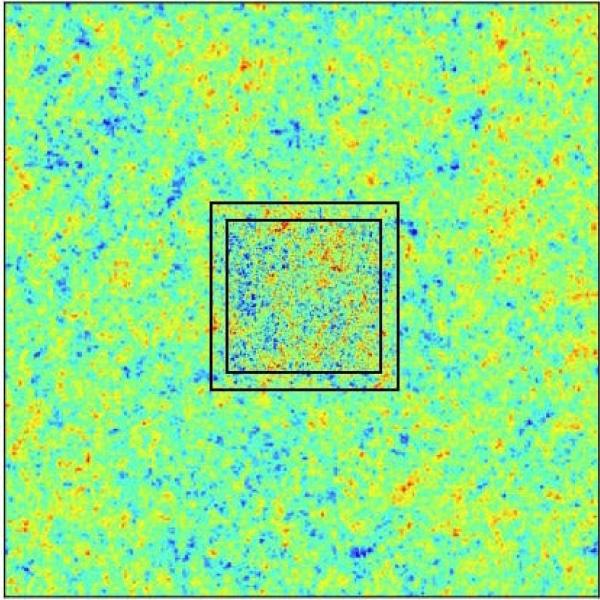
Computer simulations have become an invaluable tool to study the formation of cosmic structures over an enormous range of scales, crucial aspects of the evolution of the Universe which cannot be directly observed
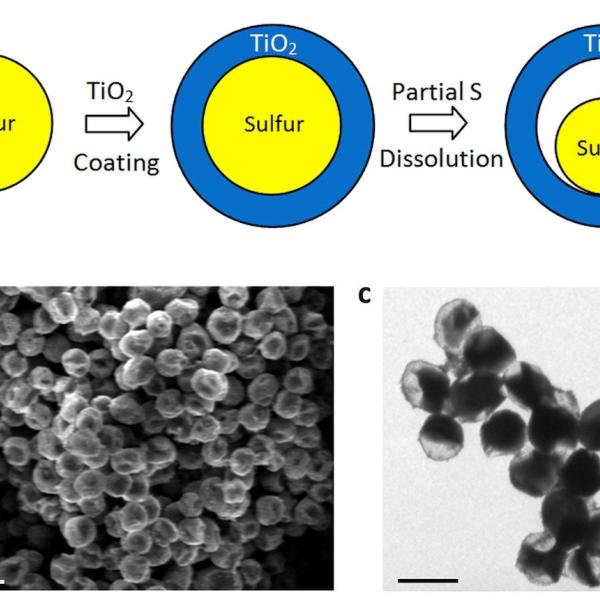
SLAC and Stanford scientists have set a world record for energy storage, using a clever “yolk-shell” design to store five times more energy in the sulfur cathode of a rechargeable lithium-ion battery than is possible with today’s commercial technology. The...
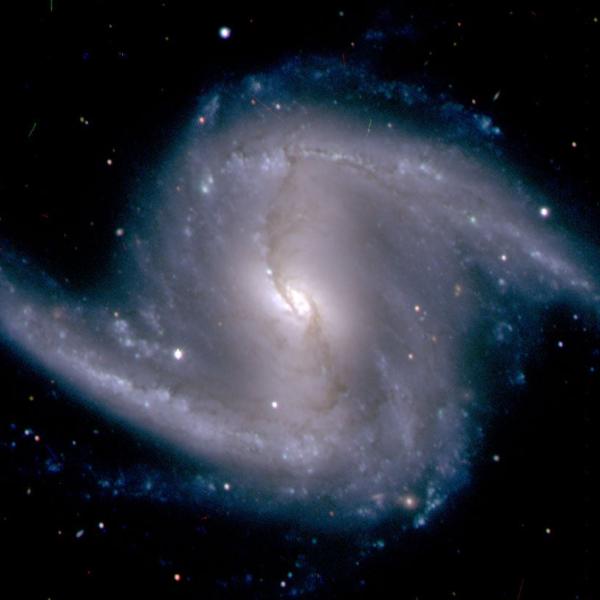
When the Dark Energy Camera (DECam) opened its giant eye last week and began taking pictures of the ancient light from far-off galaxies, more than 120 members of the Dark Energy Survey (DES) eagerly awaited the first snapshots.
Jolting complex materials with bursts of energy from rapid-fire lasers can help scientists learn why some of these materials exhibit useful properties such as high-temperature superconductivity.
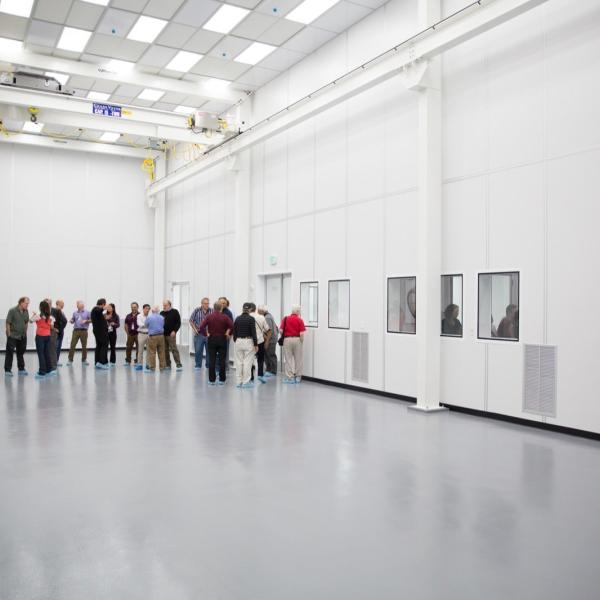
SLAC scientists and engineers celebrated the completion of a new clean room, where the lab will assemble the camera of the future Large Synoptic Survey Telescope.
SLAC and the SUNCAT Center for Interface Science and Catalysis supported creation of a new carbon material that significantly improves the performance of batteries and supercapacitors.
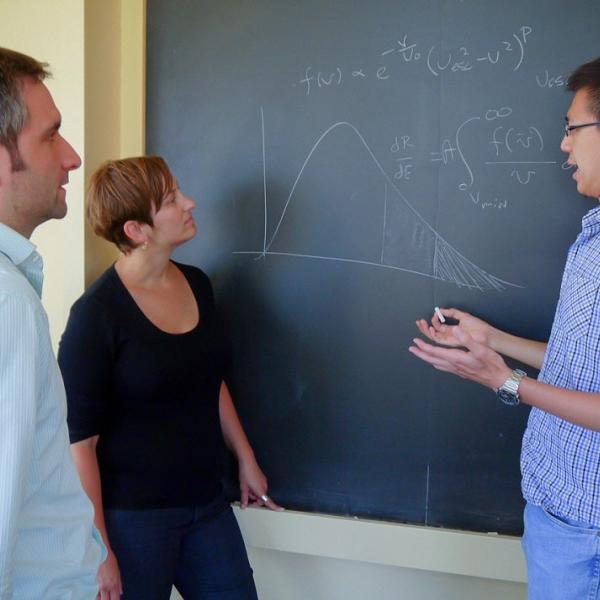
Physicists have good reason to believe 85 percent of the matter in the universe is currently undetectable. But not being able to see it didn’t keep students at the 42nd SLAC Summer Institute from learning about it.