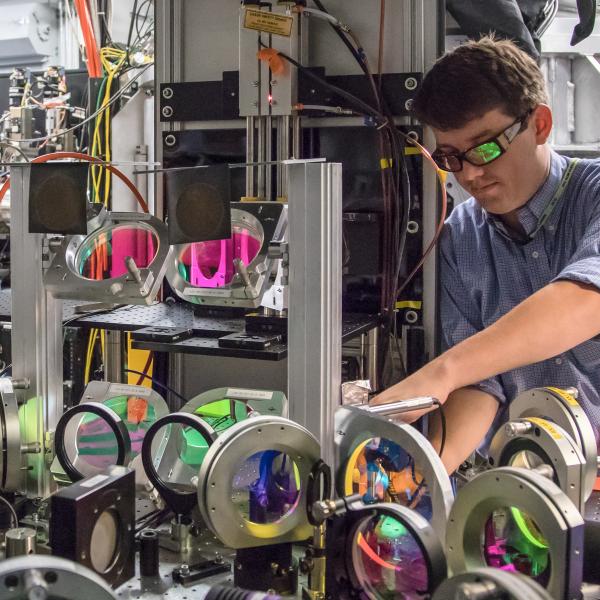
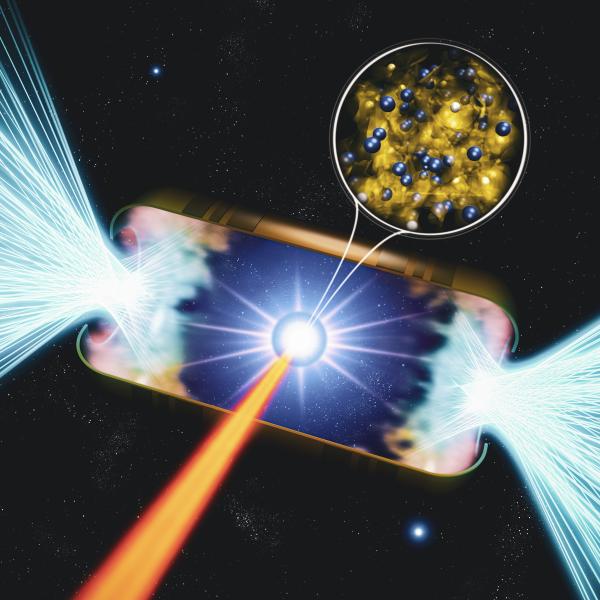
In this Q&A, Arianna Gleason discusses the technologies needed to make commercialized fusion energy a reality and how SLAC is advancing this energy frontier.
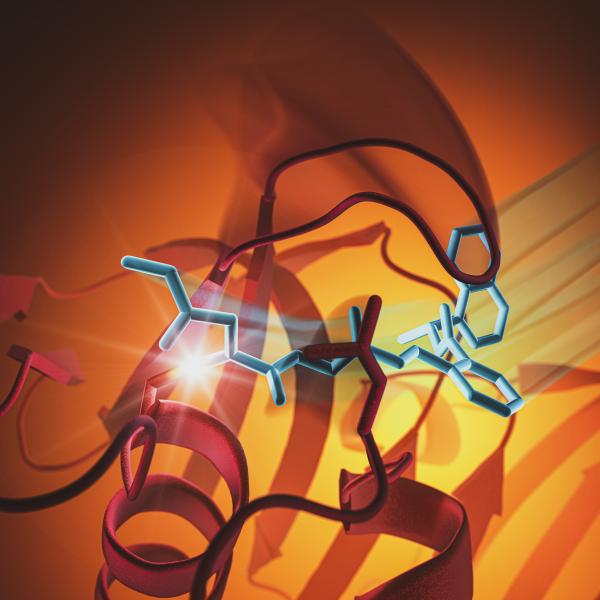
Oxidizing chemicals break this cellular power plant into useless bits, leading to Parkinson’s disease, ALS, heart disease, diabetes, cancer and more. A small molecule could block the process.
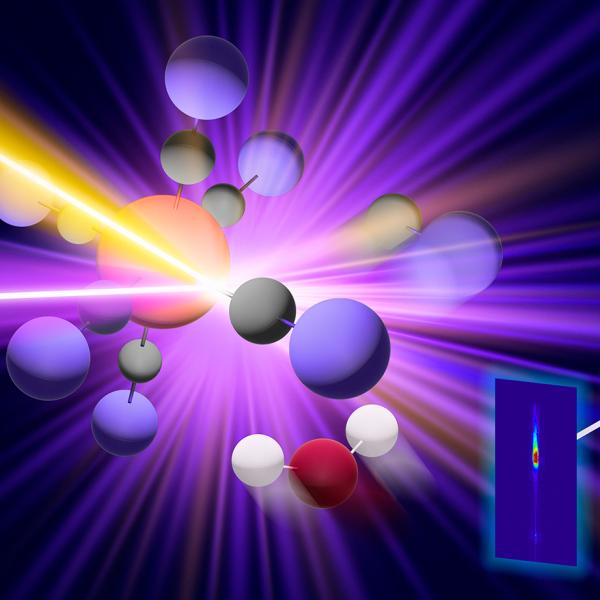
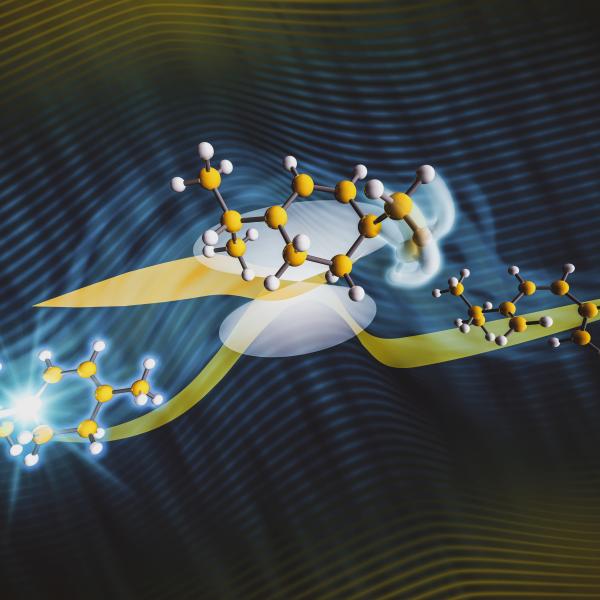
Using SLAC’s X-ray laser, the method revealed atomic motions in a simple catalyst, opening the door to study more complex molecules key to chemical processes in industry and nature.
Leading researchers met at SLAC on Pellegrini’s 90th birthday to honor his ongoing scientific legacy and to explore the future of X-ray free-electron laser science.
Researchers aim to refine control room tools, improve training, and pave the way for smarter cooperation between humans and machines by studying how operators think and act under pressure.
Researchers developed new methods that produce intense attosecond pulses and pulse pairs to gain insights into the fastest motions inside atoms and molecules. It could lead to advancements in fields ranging from chemistry to materials science.
Supported by SLAC's catalysis group Co-ACCESS, researchers discover new ways to boost the performance of catalysts that turn carbon dioxide into methanol.
Researchers figured out how to spray and freeze a cell sample in its natural state in milliseconds, helping them capture basic biological processes in unprecedented detail.
The Ultrafast X-ray Summer School, run by the Stanford PULSE Institute and hosted at SLAC, opens the door for students and postdocs to imagine how they could use X-ray free electron lasers in their future careers.