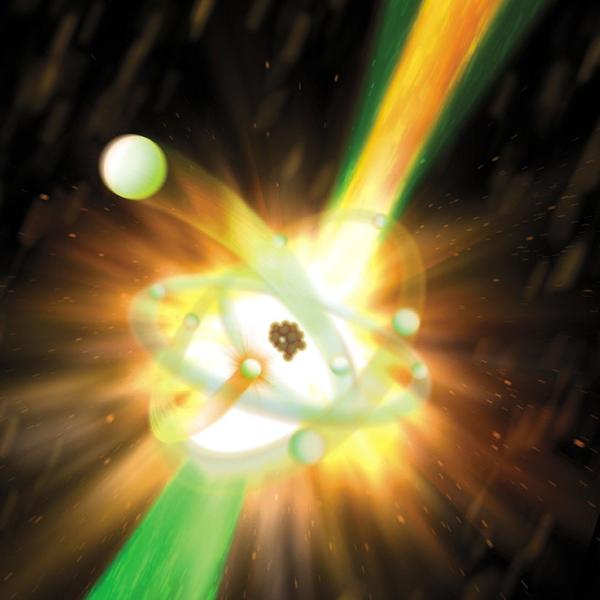
Researchers have found a new way to probe molecules and atoms with an X-ray laser, setting off cascading bursts of light that reveal precise details of what is going on inside, which could allow scientists to see details of chemical...
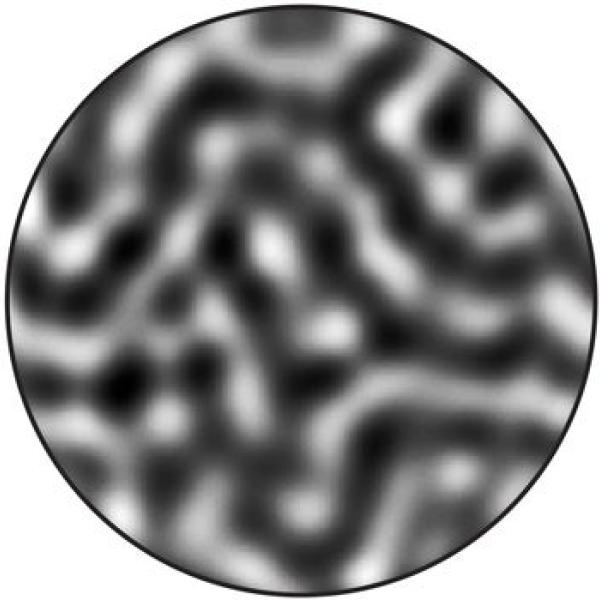
Scientists working at SLAC's Linac Coherent Light Source have captured the first single-shot X-ray microscope image of a magnetic nanostructure and shown that it can be done without damaging the material.
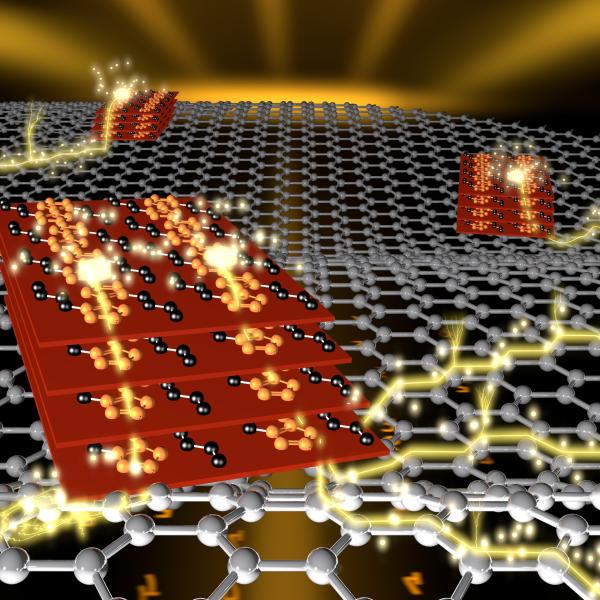
Recent experiments at SLAC's SSRL reveal that an organic semiconductor transports electrical charge more efficiently when combined with the wonder material graphene.
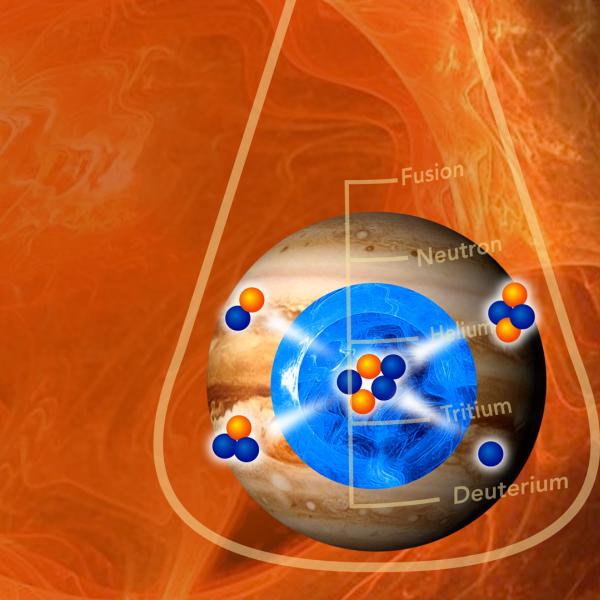
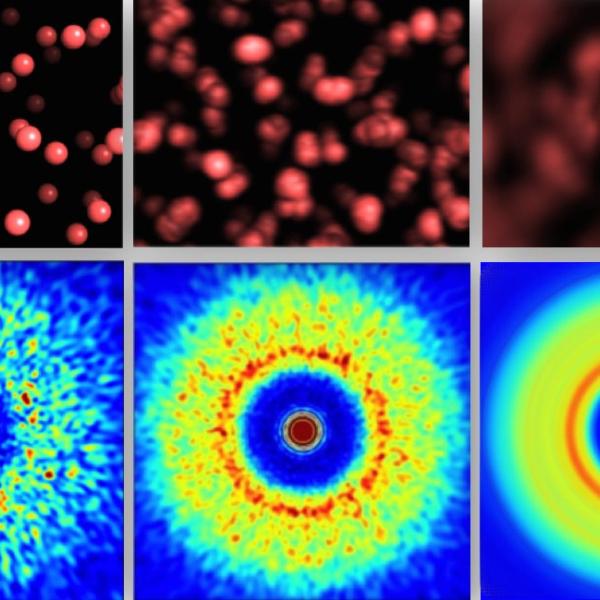
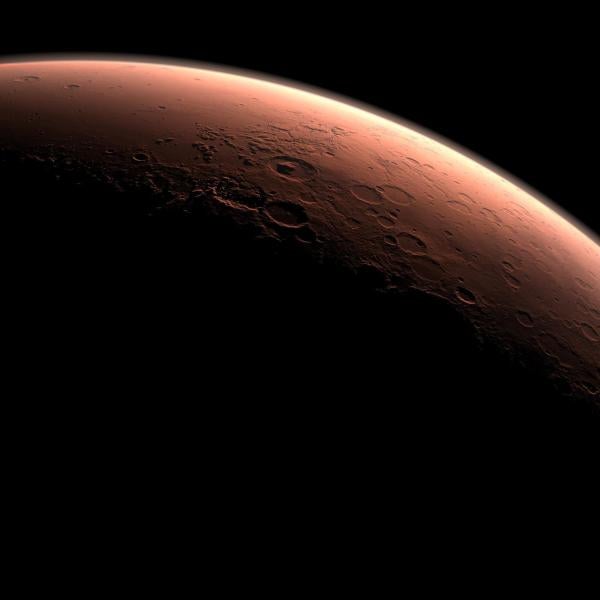
Presented by Siegfried Glenzer. Normally we think of hydrogen as a gas. But elsewhere in the universe, hydrogen under extreme pressure can exist in more exotic states. In the center of Jupiter, hydrogen becomes liquid or even solid. In the...
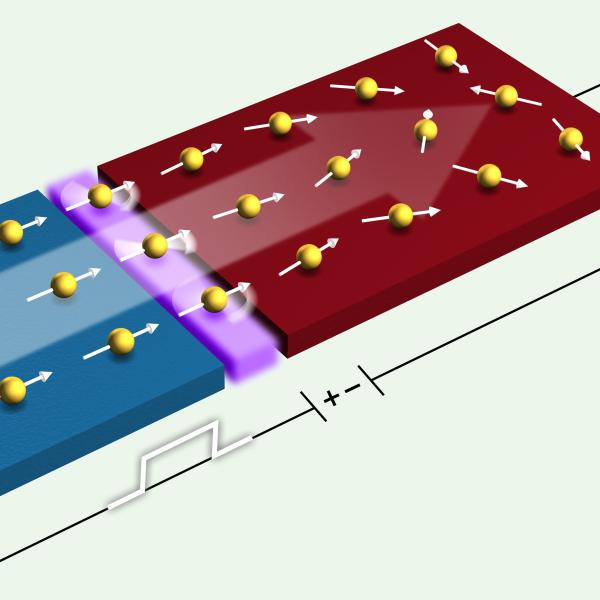
Researchers at SLAC have for the first time seen a spin current – an inherent magnetic property common to all electrons – as it travels across materials.
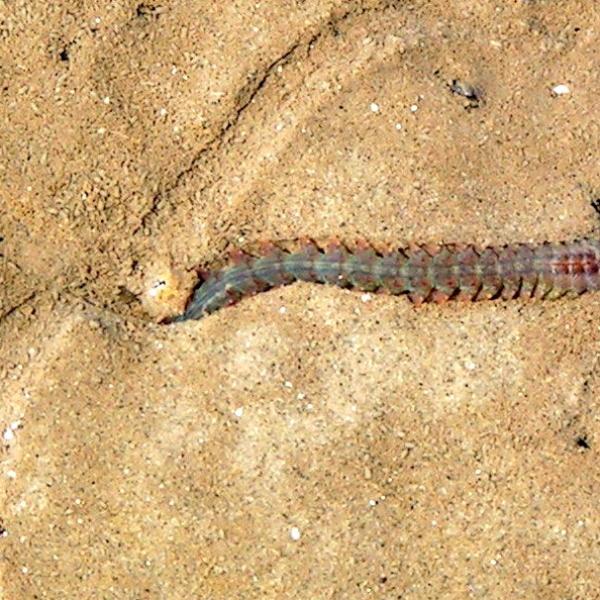
X-ray research on 80-million-year-old fossilized burrows, likely the work of tiny marine worms, is helping scientists understand how living organisms affected the chemistry of the sea floor.
Like turning a snowball back into fluffy snow, a new technique turns high-density materials into a lower-density one by applying the chemical equivalent of ‘negative pressure.’
Water is more complicated than it seems. Now a study led by researchers at Stockholm University has probed the movements of its molecules on a timescale of millionths of a billionth of a second.
Toward next-generation electronics, better medications and green energy solutions: "The First Five Years" point to a bright future of high-impact discovery at LCLS.