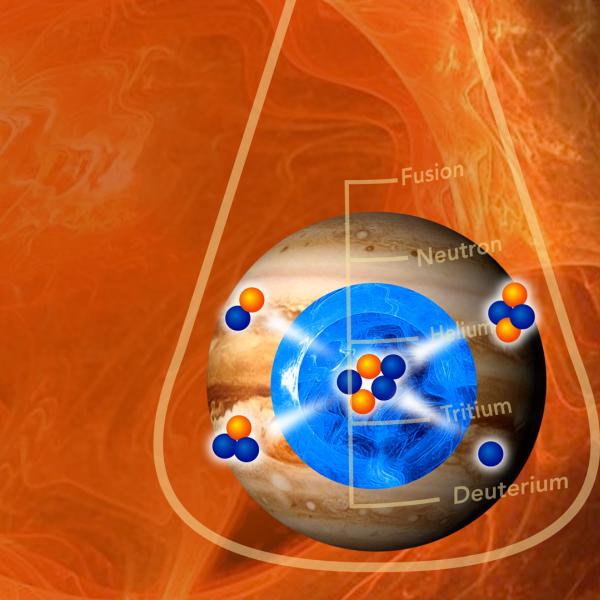
Presented by Siegfried Glenzer. Normally we think of hydrogen as a gas. But elsewhere in the universe, hydrogen under extreme pressure can exist in more exotic states. In the center of Jupiter, hydrogen becomes liquid or even solid. In the...
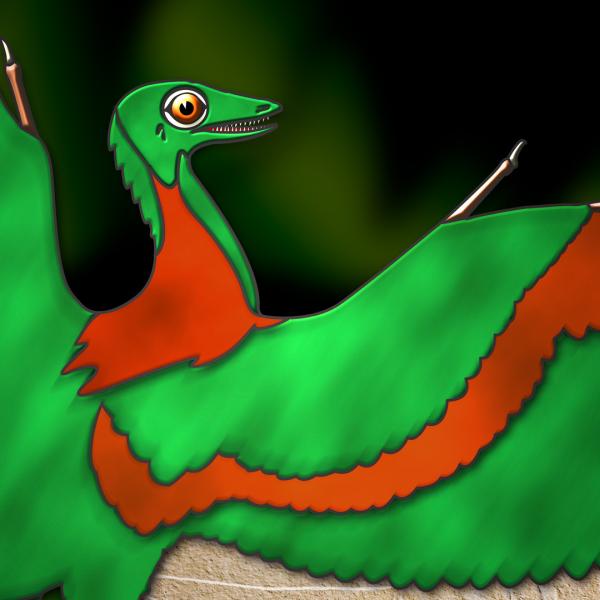
Some 150 million years ago, a strange creature died in a tropical lagoon that today is located in Bavaria, Germany. In 1861, a single feather of this creature was discovered. Not long afterward, a complete fossil was found with the...
The Mary Rose, built in 1511, was the flagship of King Henry VIII. She sank in 1545 while en route to confront the French fleet in battle. The ship lay undersea for 440 years before being raised in 1985. The...
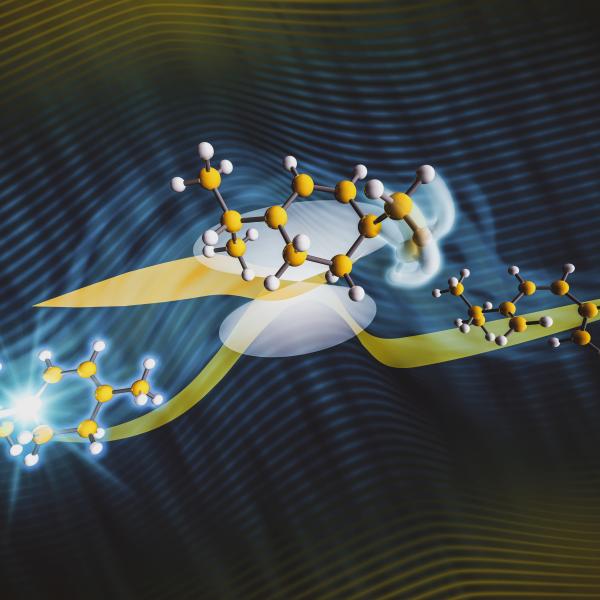
Presented by Kelly Gaffney. Movies have transformed our perception of the world. With slow motion photography, we can see a hummingbird flap its wings, and a bullet pierce an apple. The remarkably small and extremely fast molecular world that determines...
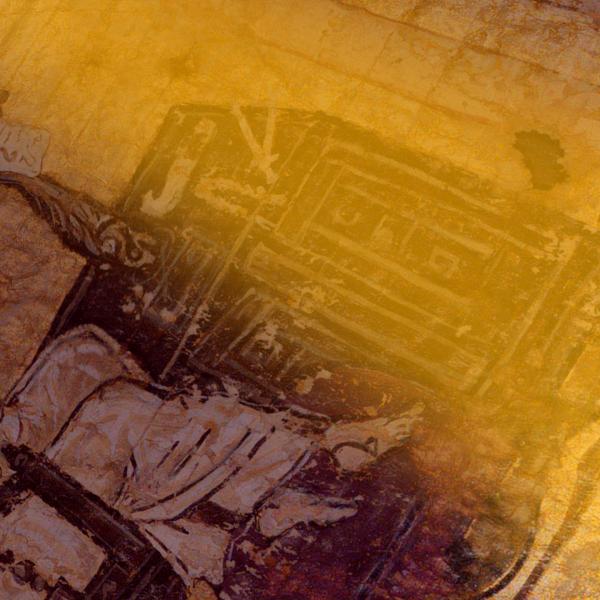
Archimedes (287-212 BC), who is famous for shouting 'Eureka' (I found it) is considered one of the most brilliant thinkers of all times. The 10th-century parchment document known as the “Archimedes Palimpsest” is the unique source for two of the...
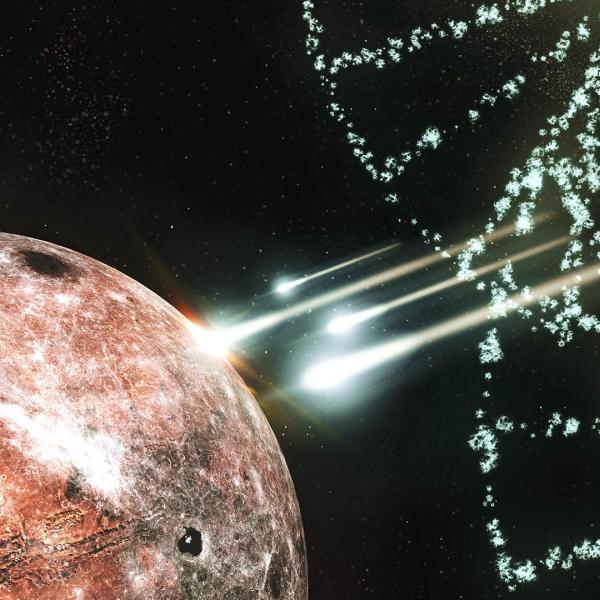
Presented by Arianna Gleason. When and where life originated on Earth – and if, or where, life exists elsewhere in the cosmos – are some of the biggest scientific questions of our time.
Presented by Diana Gamzina. In particle accelerators, electrons are pushed to extreme energies by electromagnetic fields that oscillate inside evacuated metal cavities. Those cavities are usually made of copper.
Join us for a full day of talks and panel discussions looking at the past, present and future of the Stanford Synchrotron Radiation Lightsource (SSRL).
This annual meeting is a unique opportunity to gather together the light source community in a single scientific event that includes numerous presentations in the plenary, poster, and parallel sessions.
Double your pressure, double your fun! Join us for SLAC on Tap on May 9, when SLAC scientist and rock star Arianna Gleason will share the amazing secrets scientists are trying to squeeze from the depths of Earth and other...