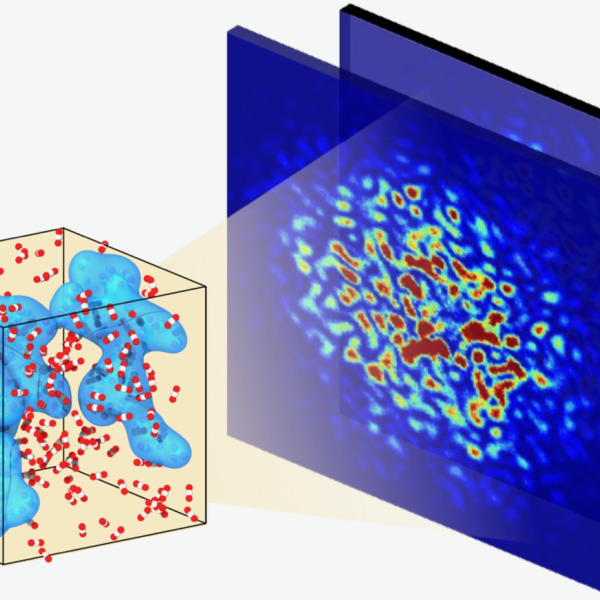
LCLS X-rays allowed researchers to connect the molecular dynamics of supercritical carbon dioxide, used in industrial and environmental applications, with its unique properties.
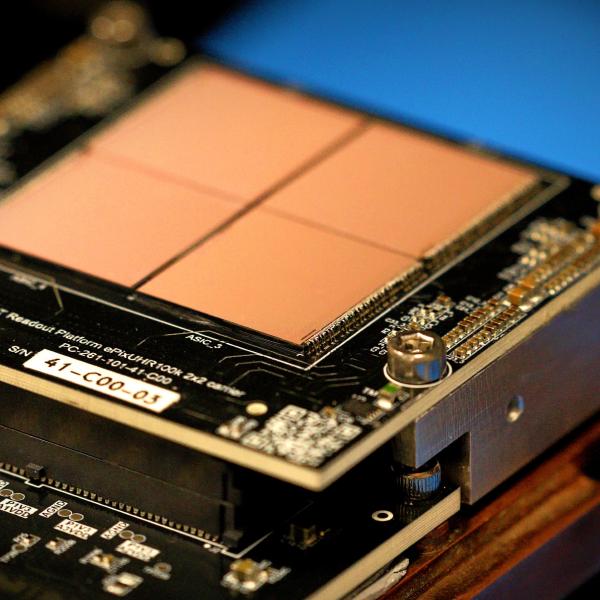
The microelectronics that power daily life and speed discoveries in science and technology are the focus of a bold new vision to make them more energy efficient and able to operate in extreme environments.
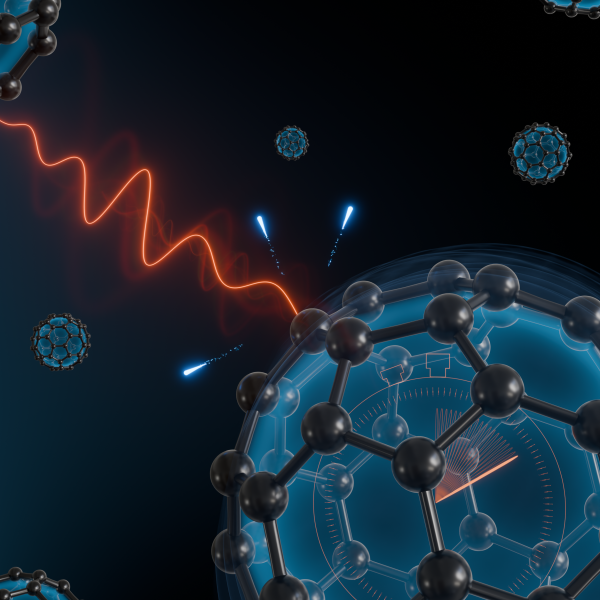
Scientists studying laser-plasma proton acceleration made an unexpected breakthrough, simultaneously resolving multiple long-standing problems although they had only aimed to address one.
He met with SLAC staff and toured the lab’s cutting-edge facilities, diving into world-leading research in X-ray and ultrafast science, artificial intelligence, astrophysics and more.