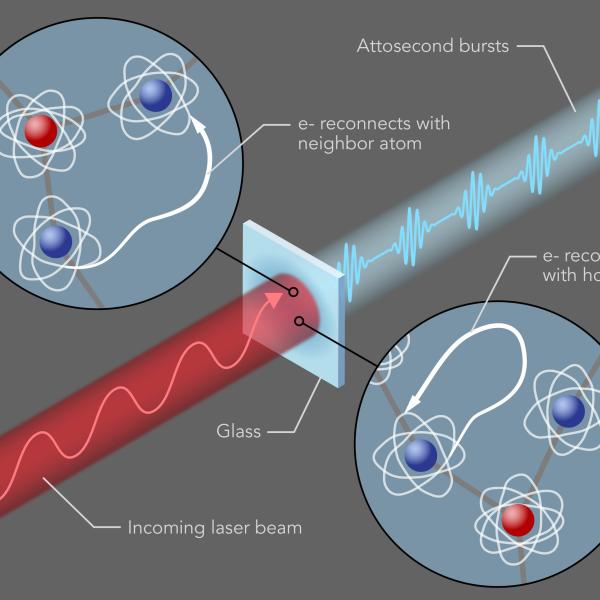
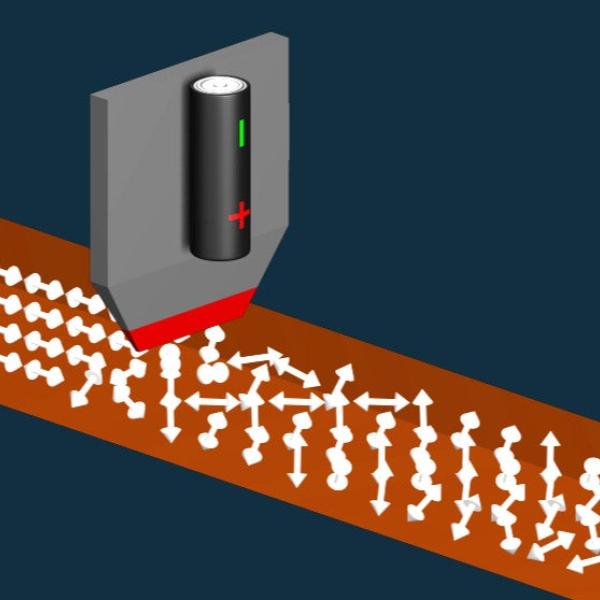
This novel method could shrink the equipment needed to make laser pulses billionths of a billionth of a second long for studying ultra-speedy electron movements in solids, chemical reactions and future electronics.
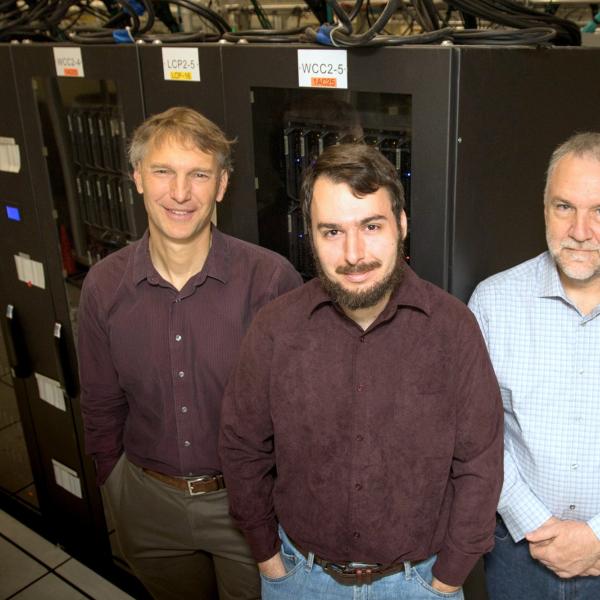
As members of the lab’s Computer Science Division, they develop the tools needed to handle ginormous data volumes produced by the next generation of scientific discovery machines.
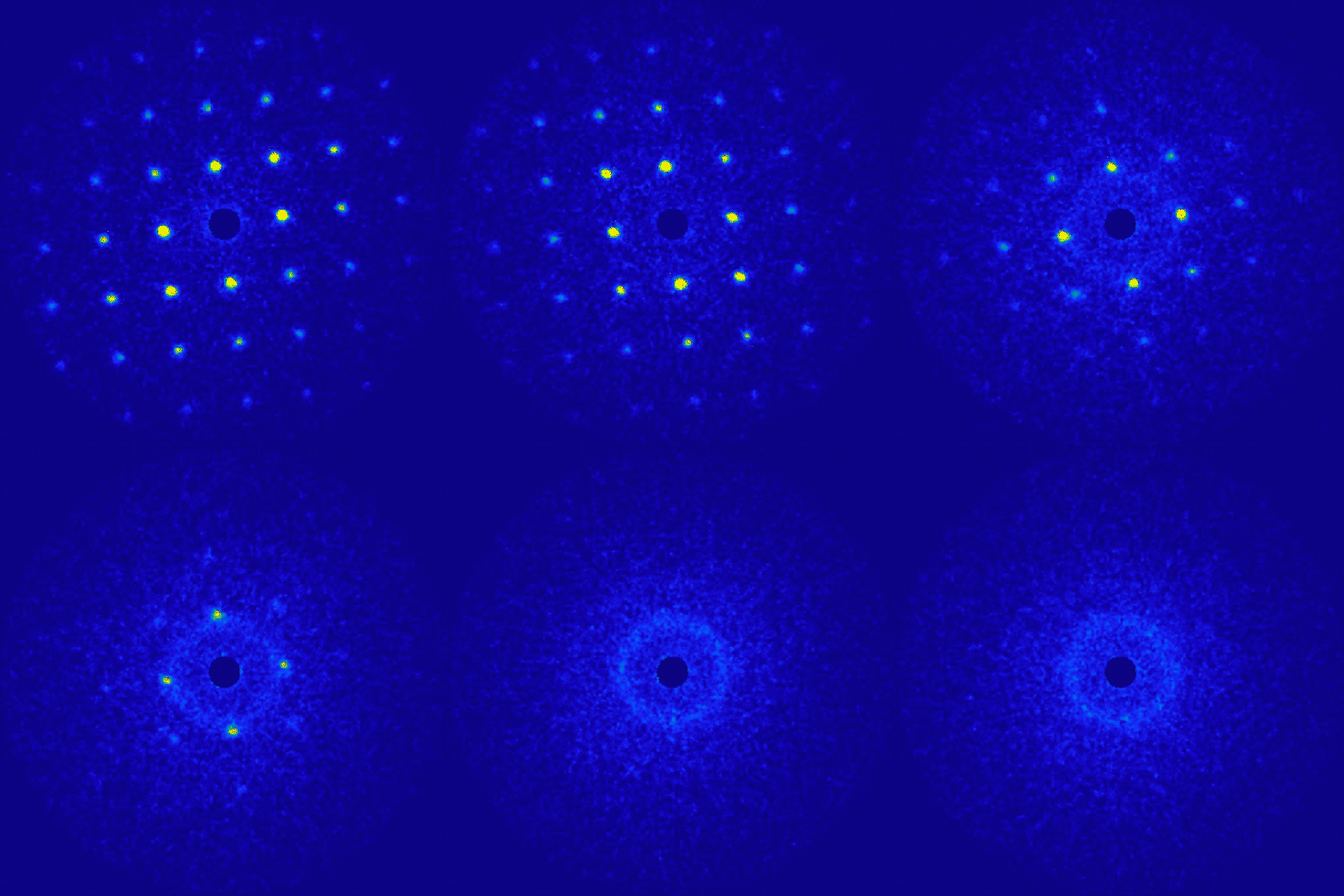
This animation shows the results of a recent study at SLAC, in which researchers used a powerful beam of electrons to watch gold melt extremely rapidly after being heated by a laser pulse.
This movie shows the transition of a gold sample from a solid (dotted pattern) to a liquid (ring pattern) after being heated by a laser pulse. It was taken with SLAC’s ultrafast “electron” camera, an instrument for ultrafast electron diffraction...