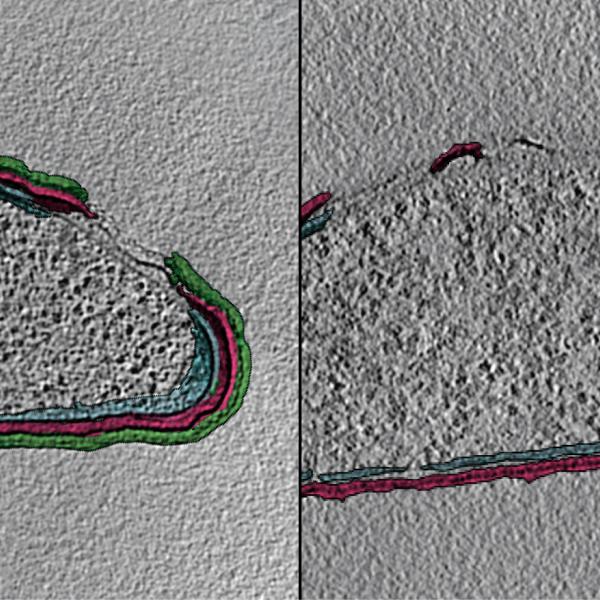
Researchers figured out how to spray and freeze a cell sample in its natural state in milliseconds, helping them capture basic biological processes in unprecedented detail.
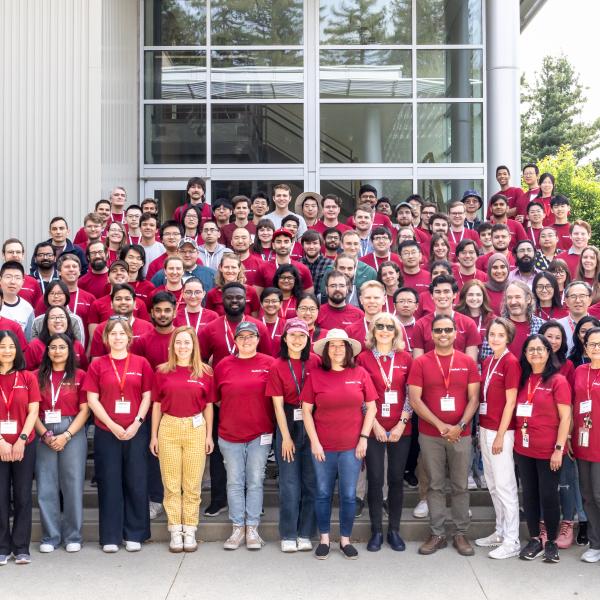
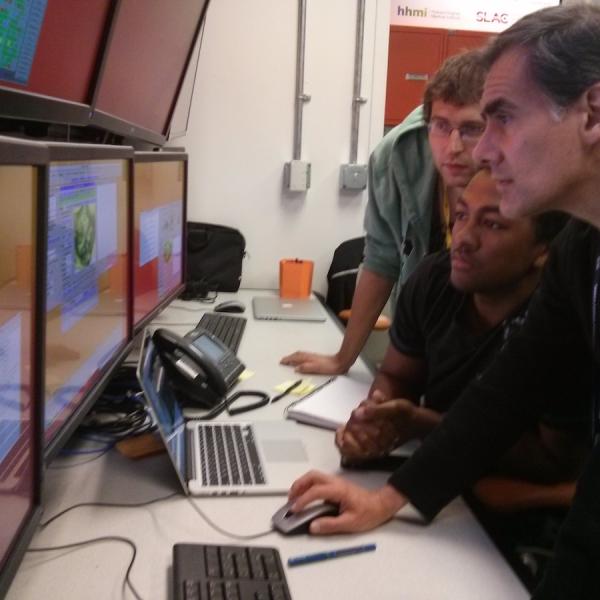
The Ultrafast X-ray Summer School, run by the Stanford PULSE Institute and hosted at SLAC, opens the door for students and postdocs to imagine how they could use X-ray free electron lasers in their future careers.
The method could lead to the development of new materials with tailored properties, with potential applications in fields such as climate change, quantum computing and drug design.
Wheat and other sources of gluten can spell trouble for people with the disease, but new findings could aid the development of first-ever drugs for the autoimmune disorder.
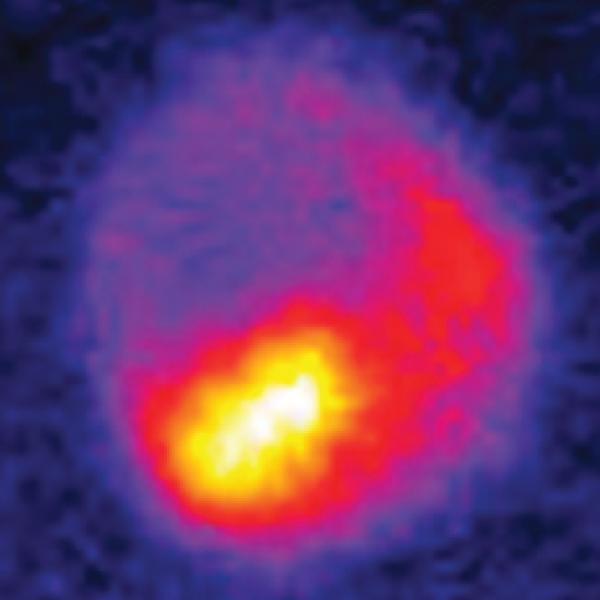
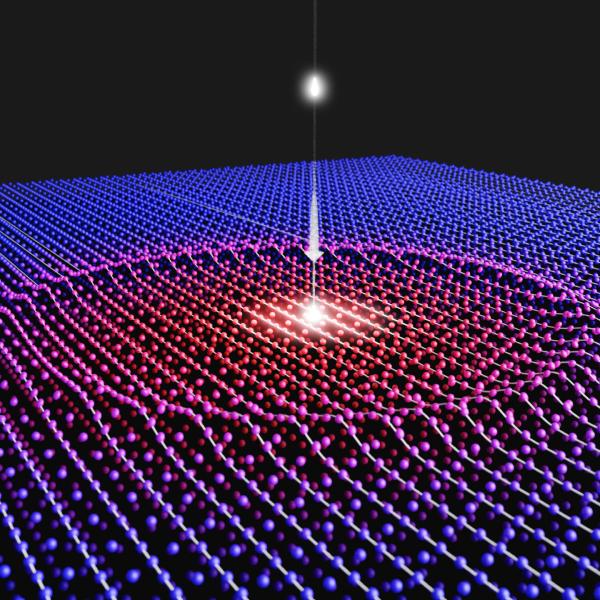
Scientists demonstrated a materials characterization technique can be successful at a new type of facility, and they used it at LCLS to discover a hidden materials phase.
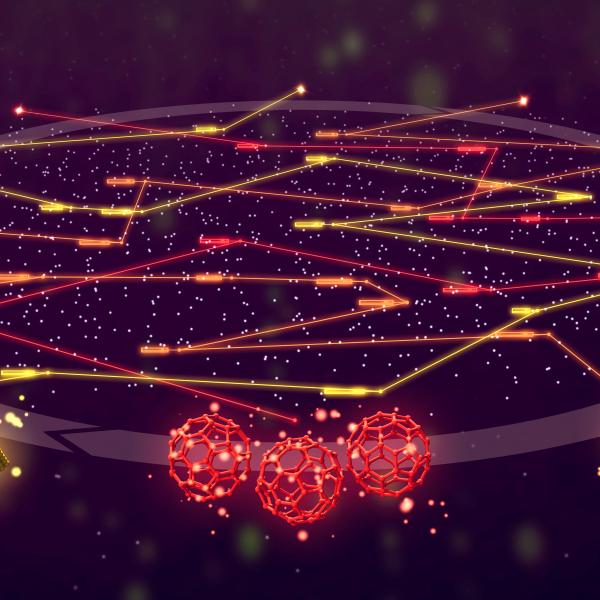
Their method provides a new tool to study electron-electron interactions, which are fundamental to many technologies, including semiconductors and solar cells.