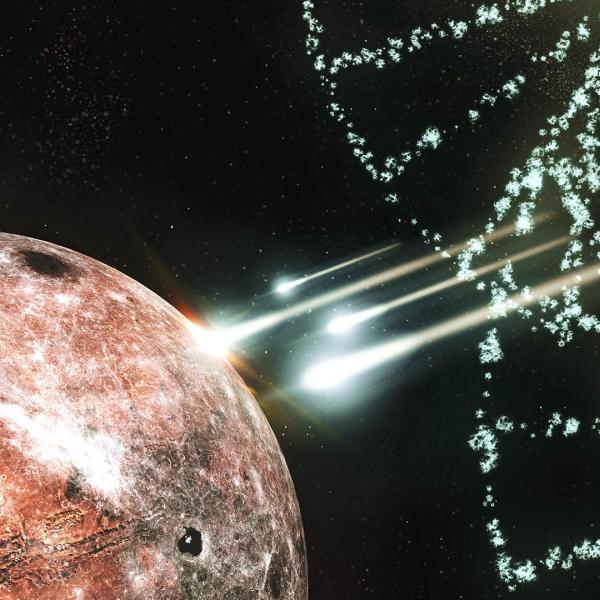
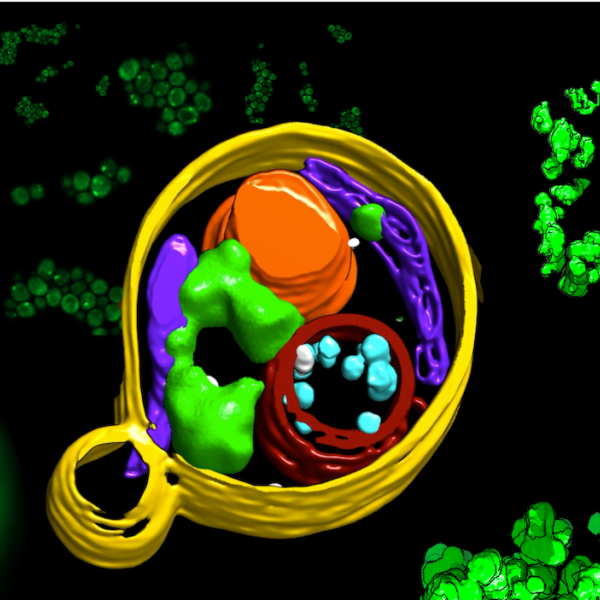
Presented by Arianna Gleason. When and where life originated on Earth – and if, or where, life exists elsewhere in the cosmos – are some of the biggest scientific questions of our time.
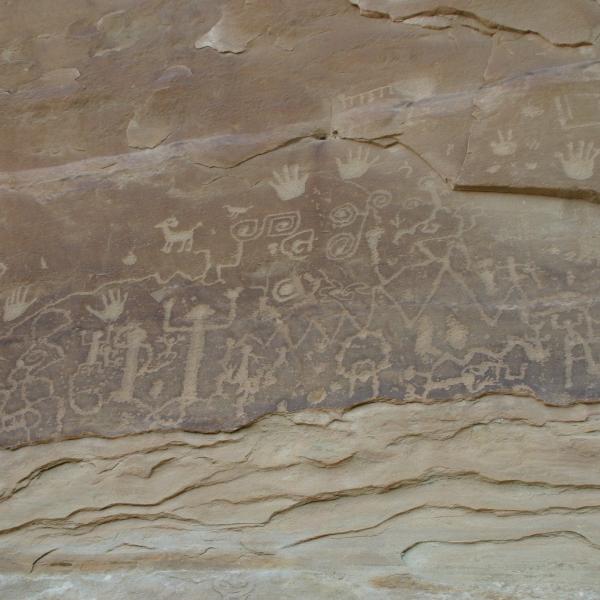
Petroglyphs are carved in a material called rock varnish, the origins of which have been debated for years. Now, scientists argue it’s the result of bacteria and an adaptation that protects them from the desert sun’s harsh rays.
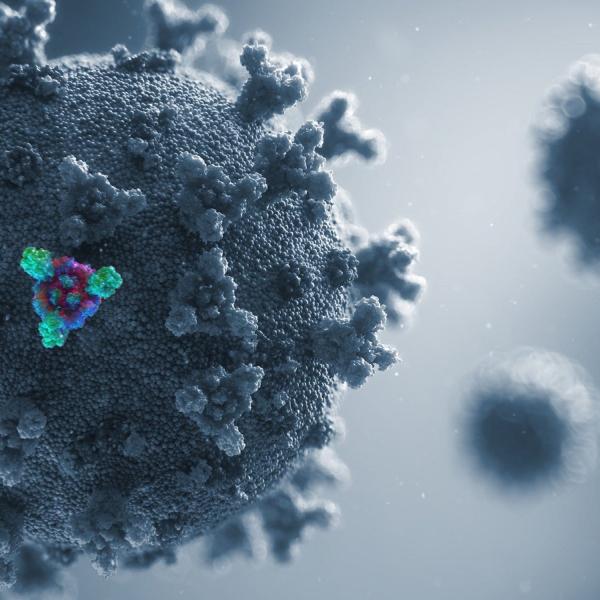
The lab is responding to the coronavirus crisis by imaging disease-related biomolecules, developing standards for reliable coronavirus testing and enabling other essential research.
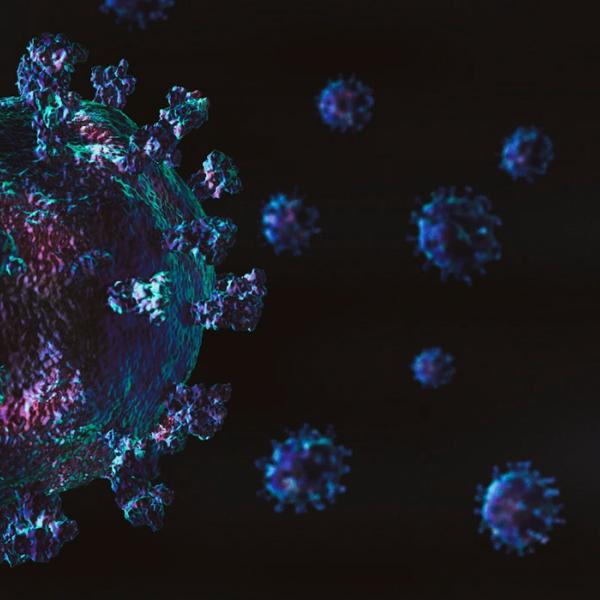
University of Alberta researchers worked with SLAC X-ray scientists to explore the potential of a feline coronavirus drug that may be effective against SARS-CoV-2.
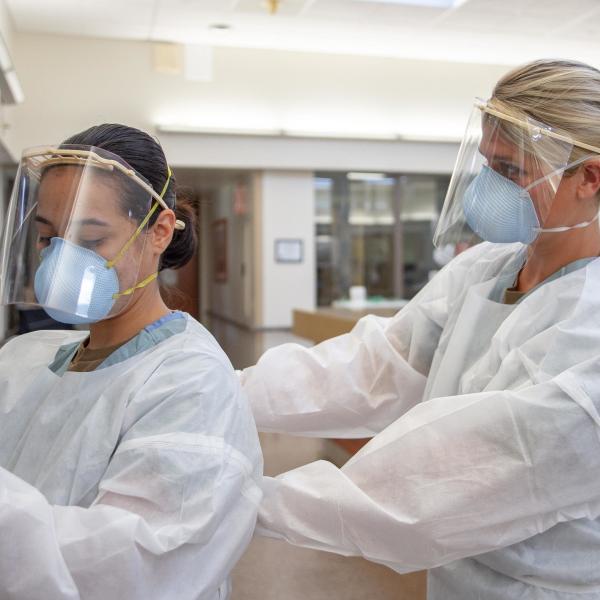
They found that gently heating N95 masks in high relative humidity could inactivate SARS-CoV-2 virus trapped within the masks, without degrading the masks’ performance.
Presented by Diana Gamzina. In particle accelerators, electrons are pushed to extreme energies by electromagnetic fields that oscillate inside evacuated metal cavities. Those cavities are usually made of copper.
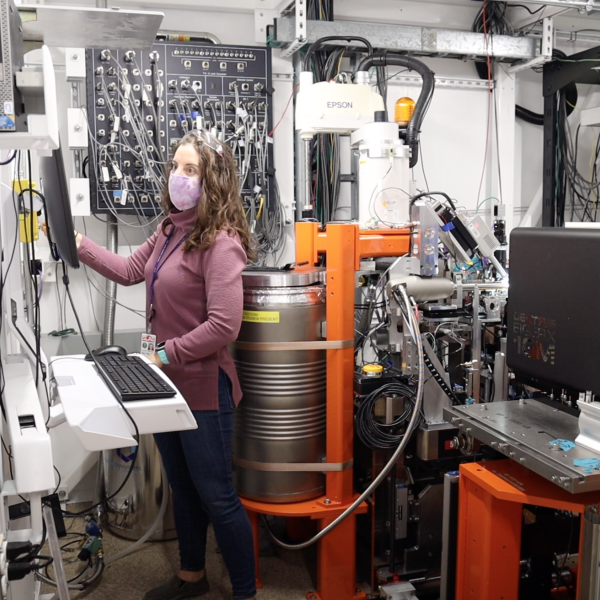
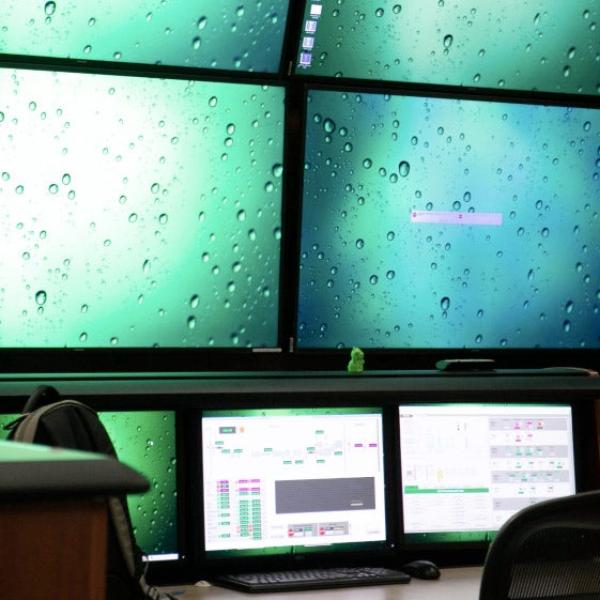
The lab’s X-ray laser recently joined other facilities in making remote science possible from any corner of the world, a trend that will likely continue into the future.