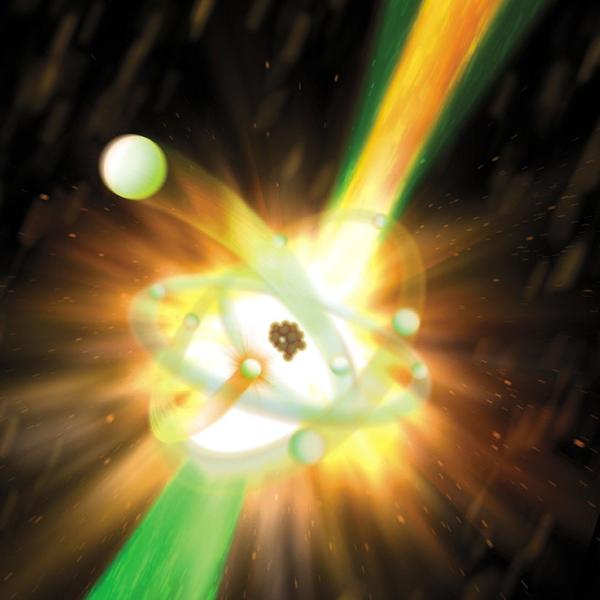
Researchers have found a new way to probe molecules and atoms with an X-ray laser, setting off cascading bursts of light that reveal precise details of what is going on inside, which could allow scientists to see details of chemical...
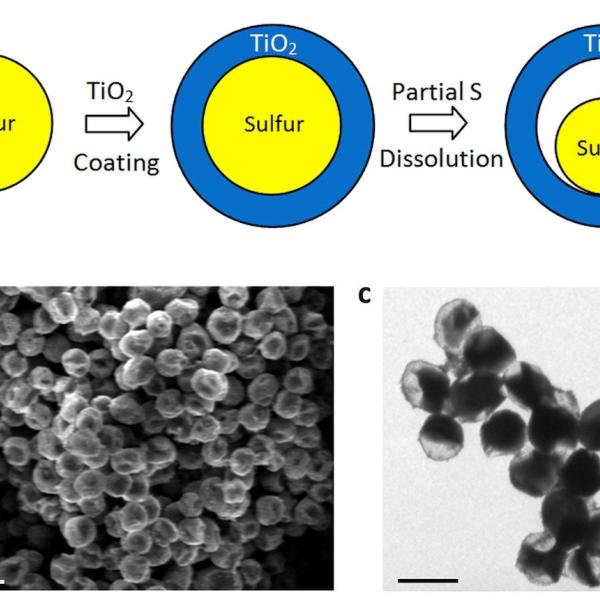
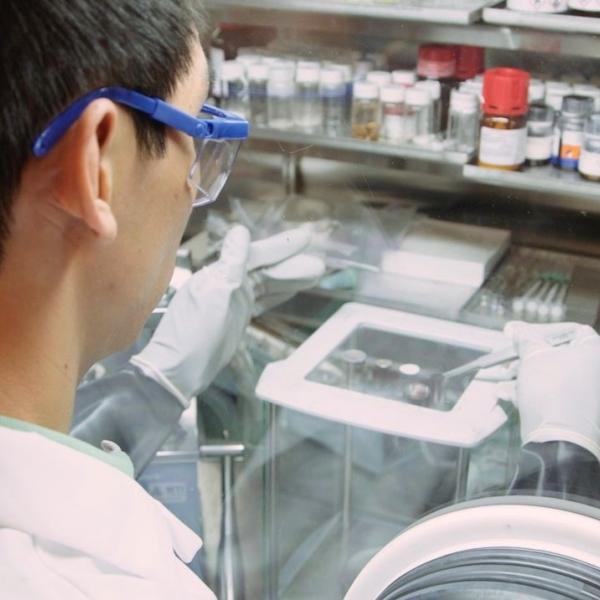
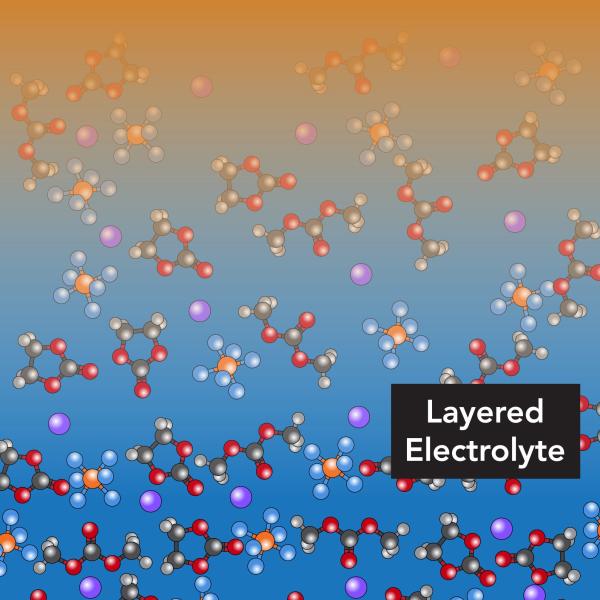
SLAC and Stanford scientists have set a world record for energy storage, using a clever “yolk-shell” design to store five times more energy in the sulfur cathode of a rechargeable lithium-ion battery than is possible with today’s commercial technology. The...
Scientists working at SLAC's Linac Coherent Light Source have captured the first single-shot X-ray microscope image of a magnetic nanostructure and shown that it can be done without damaging the material.
Jolting complex materials with bursts of energy from rapid-fire lasers can help scientists learn why some of these materials exhibit useful properties such as high-temperature superconductivity.
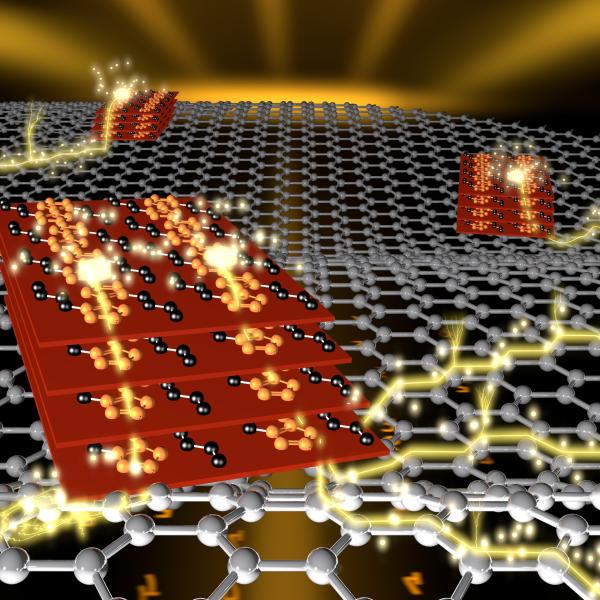
Recent experiments at SLAC's SSRL reveal that an organic semiconductor transports electrical charge more efficiently when combined with the wonder material graphene.
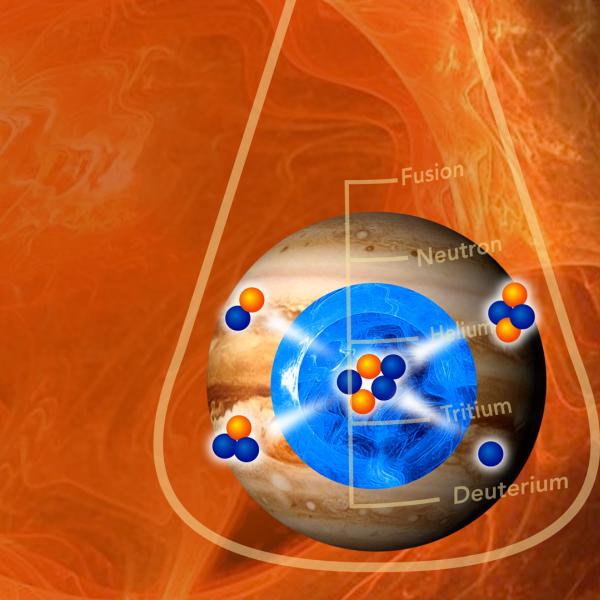
Presented by Siegfried Glenzer. Normally we think of hydrogen as a gas. But elsewhere in the universe, hydrogen under extreme pressure can exist in more exotic states. In the center of Jupiter, hydrogen becomes liquid or even solid. In the...
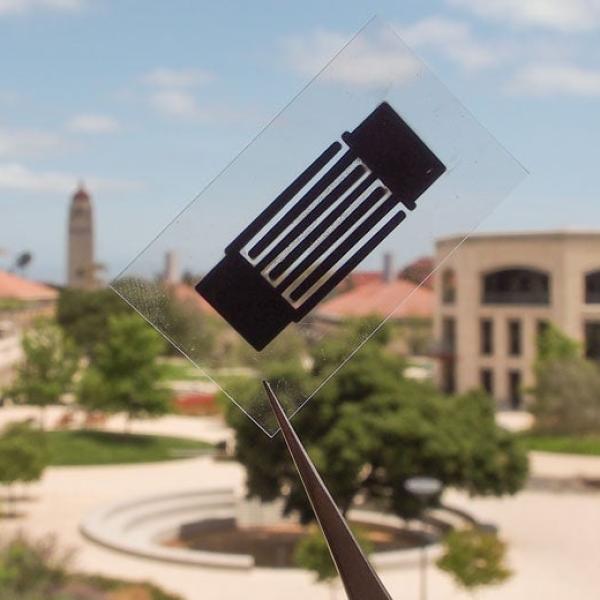
SLAC and the SUNCAT Center for Interface Science and Catalysis supported creation of a new carbon material that significantly improves the performance of batteries and supercapacitors.
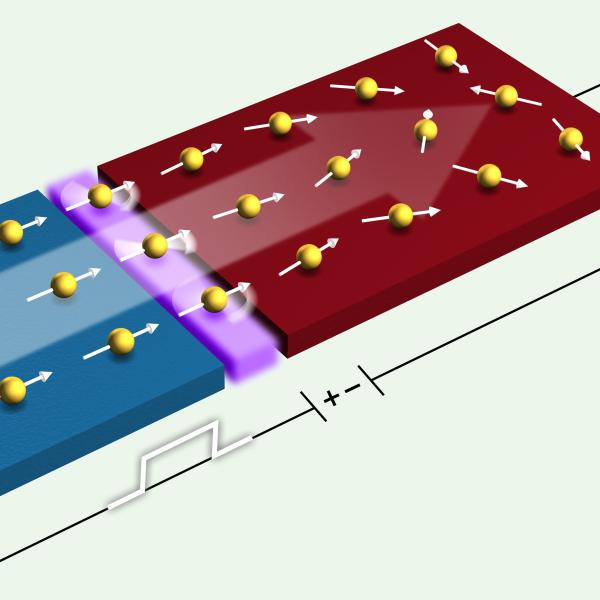
Researchers at SLAC have for the first time seen a spin current – an inherent magnetic property common to all electrons – as it travels across materials.
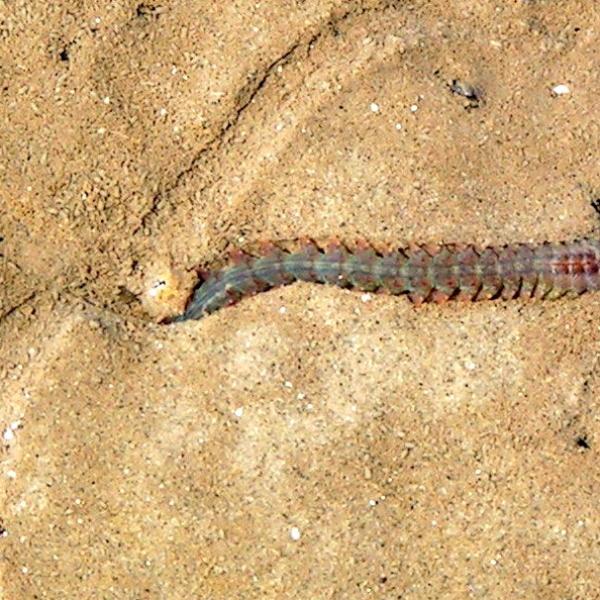
X-ray research on 80-million-year-old fossilized burrows, likely the work of tiny marine worms, is helping scientists understand how living organisms affected the chemistry of the sea floor.