The team unexpectedly formed gold hydride in an experiment that could pave the way for studying materials under extreme conditions like those found inside certain planets and stars undergoing nuclear fusion.
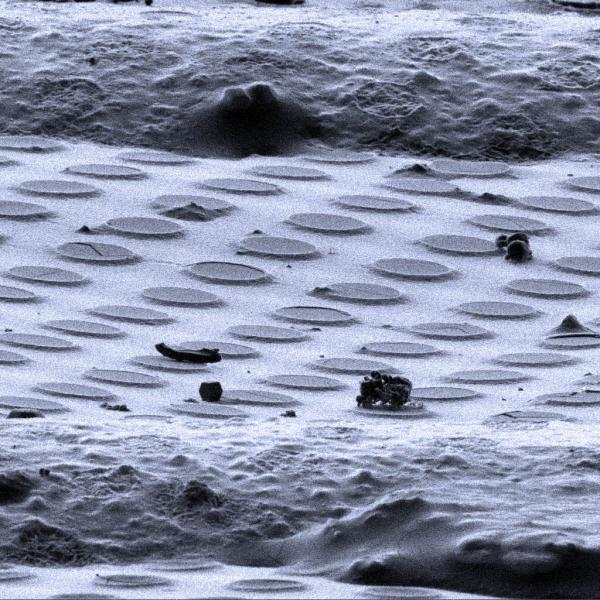
The technique could improve how scientists study materials and drive advancements in high-performance technologies, such as next-generation computer chips.
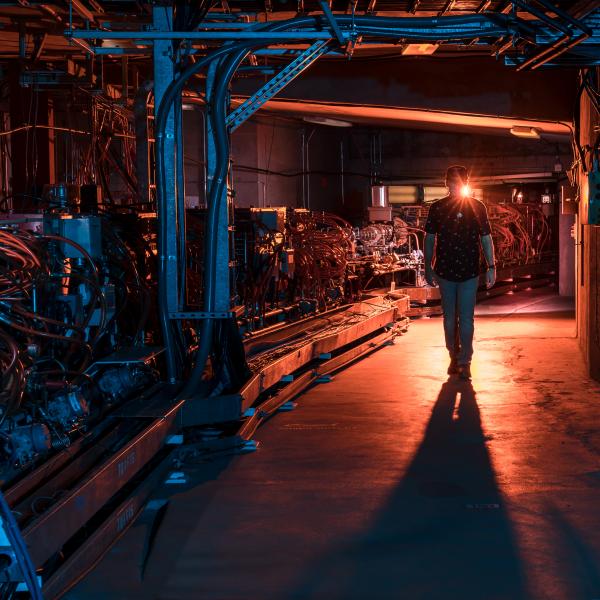
His visit highlighted the breadth of our world-class research and the people and collaborations that make it possible. A key theme of the day: how SLAC and the National Labs are advancing AI to accelerate discovery.
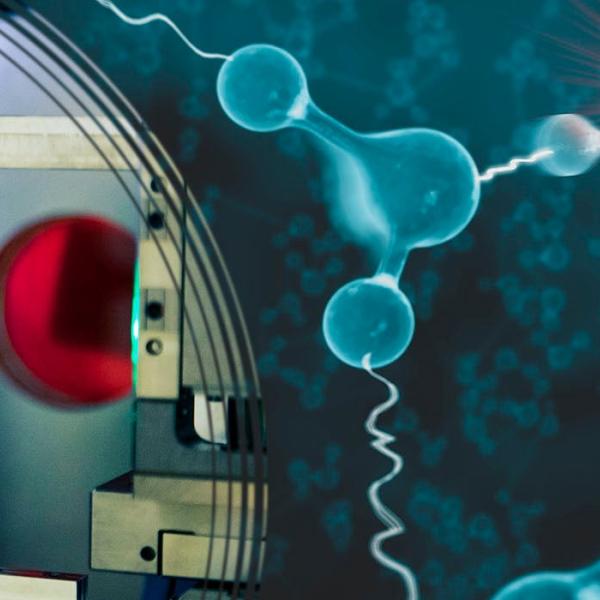
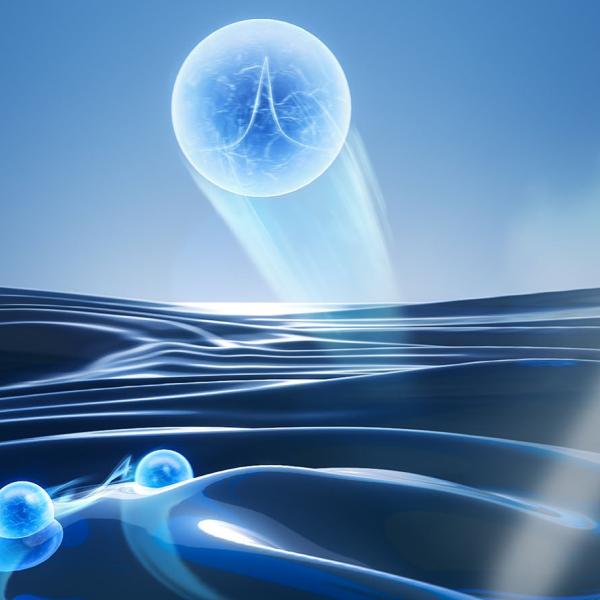
The work sheds light on the web of hydrogen bonds that gives water its strange properties, which play a vital role in many chemical and biological processes.
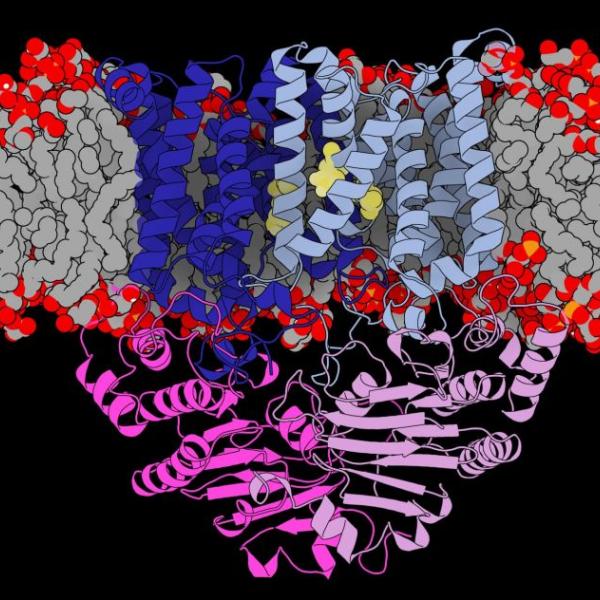
Drawing on SLAC facilities, Australian researchers have revealed how Streptococcus pneumoniae bacteria obtain manganese from our bodies, which could lead to better therapies to target the pathogen.
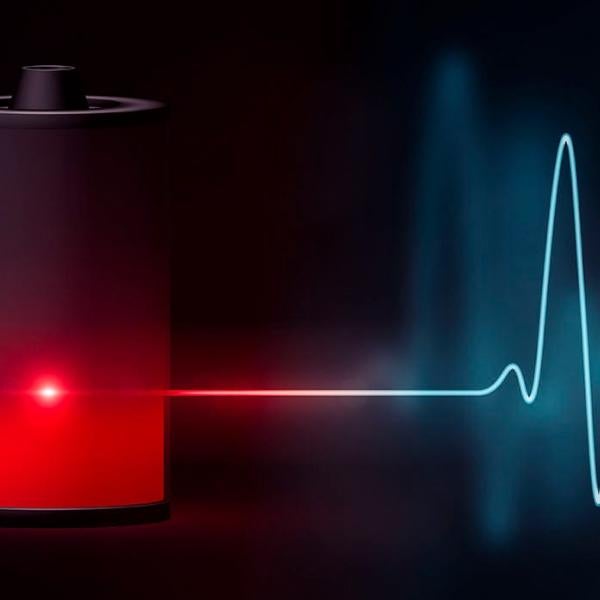
Cryo-EM snapshots of the solid-electrolyte interphase, or SEI, reveal its natural swollen state and offer a new approach to lithium-metal battery design.
The results cap 15 years of detective work aimed at understanding how these materials transition into a superconducting state where they can conduct electricity with no loss.