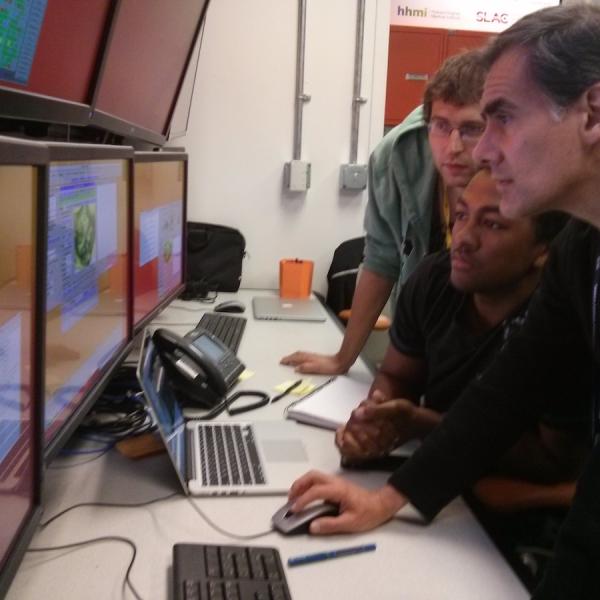
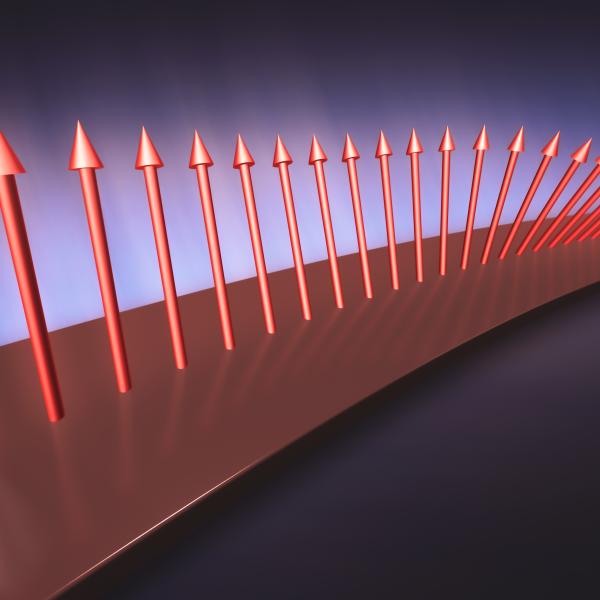
David Cesar, Julia Gonski and W.L. Kimmy Wu will each receive $2.75 million issued over five years for their research in X-ray and ultrafast science, new physics and primordial gravitational waves.
Alimohamadi is being recognized for her novel integration of theoretical and experimental results to connect diverse health outcomes with cell membrane behavior.
The high-energy upgrade will keep the U.S. at the forefront of X-ray science and technology, allowing researchers to advance fields such as sustainability, human health and quantum information.
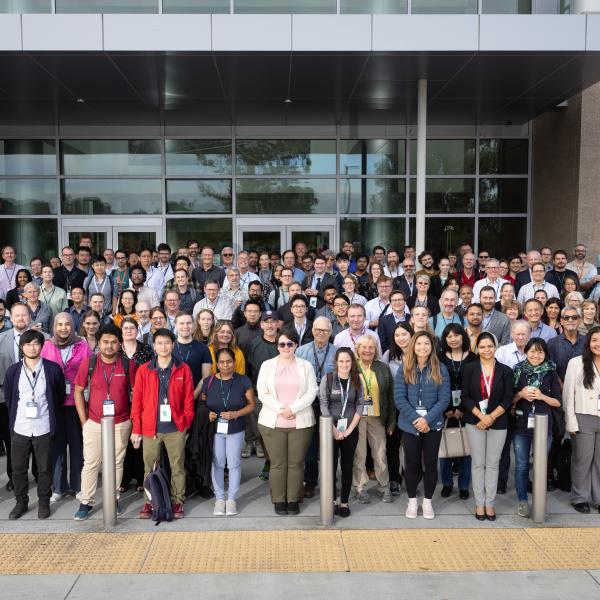
Scientists worldwide who conduct research at SLAC’s light sources shine light on latest discoveries and innovations in talks, workshops and discussions.