The SLAC/Stanford researcher is a leading materials scientist and entrepreneur whose research is paving the way for better batteries, cleaner power grids.
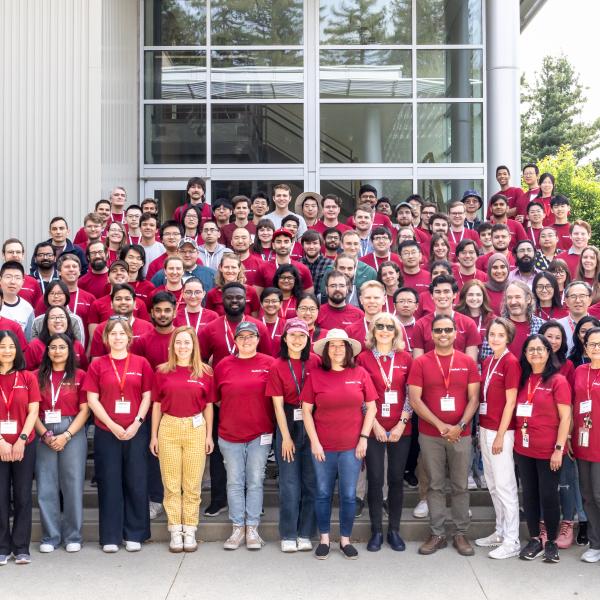
The Ultrafast X-ray Summer School, run by the Stanford PULSE Institute and hosted at SLAC, opens the door for students and postdocs to imagine how they could use X-ray free electron lasers in their future careers.
The method could lead to the development of new materials with tailored properties, with potential applications in fields such as climate change, quantum computing and drug design.
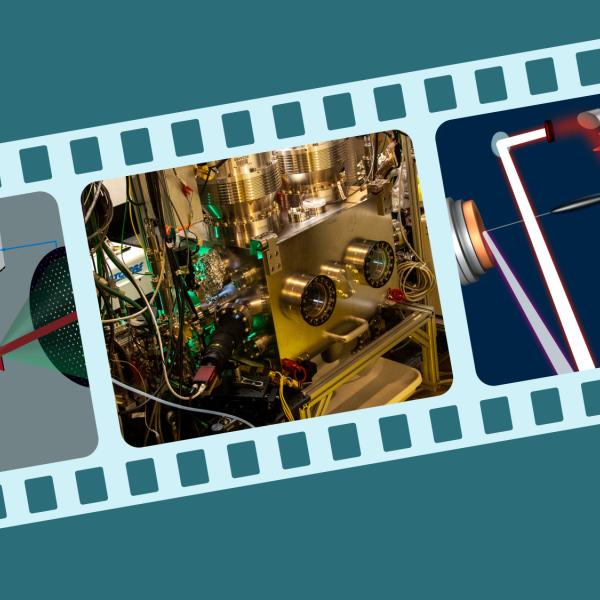
Scientists demonstrated a materials characterization technique can be successful at a new type of facility, and they used it at LCLS to discover a hidden materials phase.
Their method provides a new tool to study electron-electron interactions, which are fundamental to many technologies, including semiconductors and solar cells.
Charging lithium-ion batteries at high currents just before they leave the factory is 30 times faster and increases battery lifespans by 50%, according to a study at the SLAC-Stanford Battery Center.