Pages from the Codex Climaci Rescriptus palimpsest from the Museum of the Bible in Washington, DC, were brought to the Stanford Synchrotron Radiation Lightsource to recover erased astronomical text, especially fragments from Hipparchus' star catalog.
Director, SLAC-Stanford Battery Center; Director, Precourt Institute for Energy; Professor of materials science and engineering and of energy science and engineering; Faculty Scientist, Stanford Institute for Materials and Energy Sciences (SIMES)
Areas of research: energy science; materials for energy; clean energy; sustainability; batteries; energy storage and conversion electrochemistry; redox chemistry; engineering; materials science; X-ray science; A.I. and machine learning
The team developed a platform that uses powerful X-rays from the lab’s LCLS X-ray laser to resolve for the first time the evolution of instabilities in high-density plasmas.
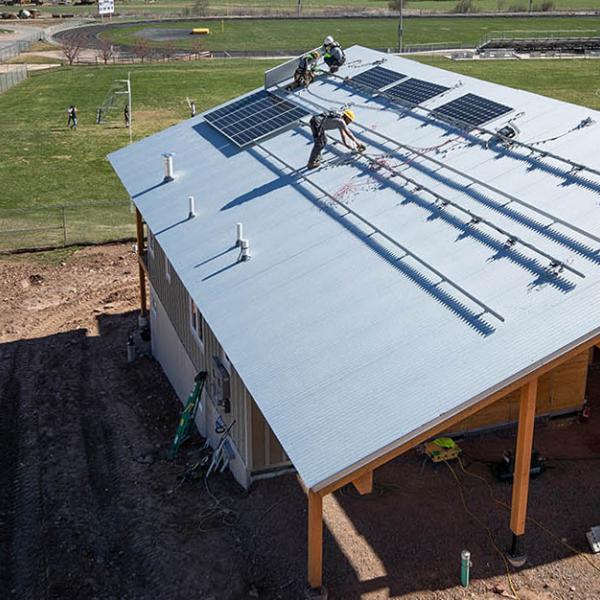
A cellphone-sized device automatically adjusts a home's power use up or down to save the consumer money and increase the resiliency of the electric grid.
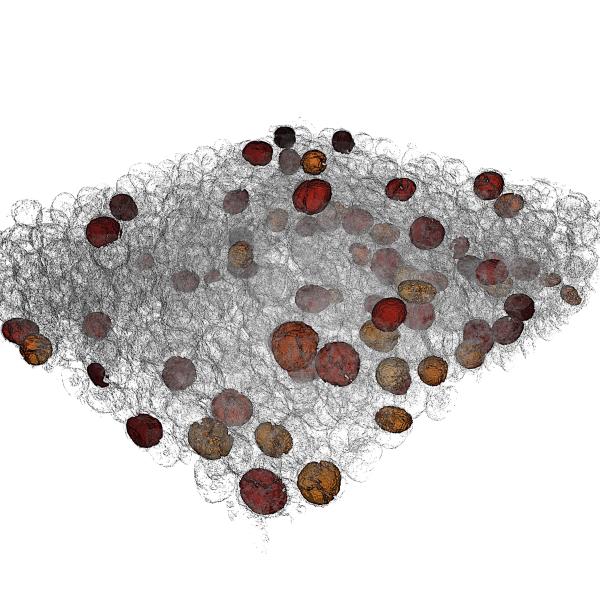
How quickly a battery electrode decays depends on properties of individual particles in the battery – at first. Later on, the network of particles matters more.
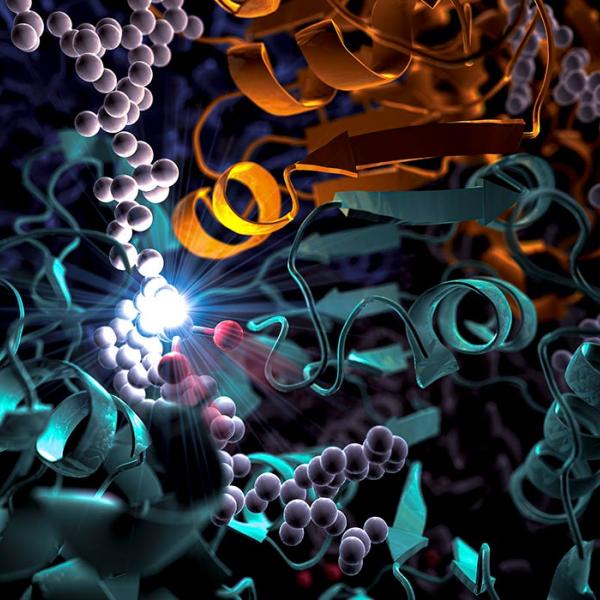
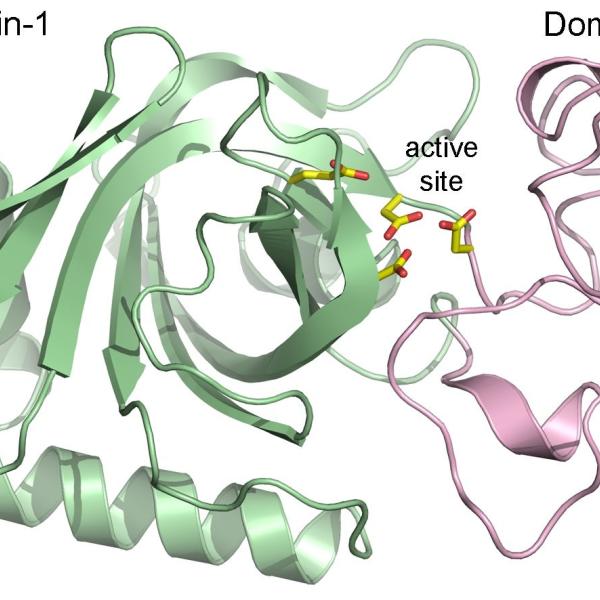
Researchers discover that a spot of molecular glue and a timely twist help a bacterial enzyme convert carbon dioxide into carbon compounds 20 times faster than plant enzymes do during photosynthesis. The results stand to accelerate progress toward converting carbon...
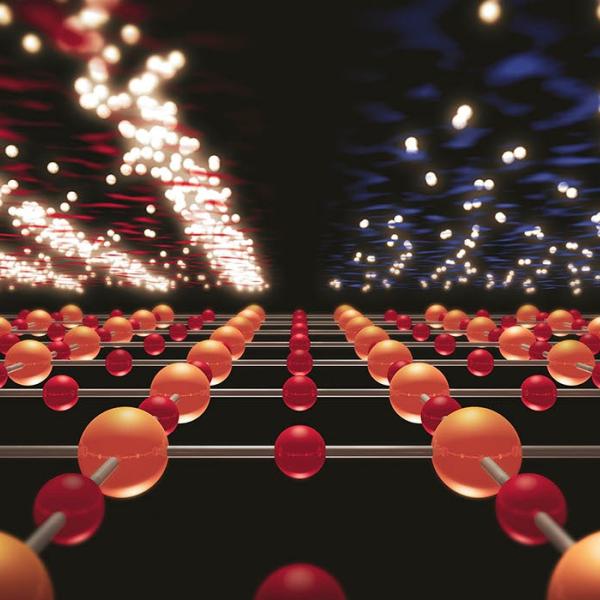
Researchers discover they contain a phase of quantum matter, known as charge density waves, that’s common in other unconventional superconductors. In other ways, though, they’re surprisingly unique.
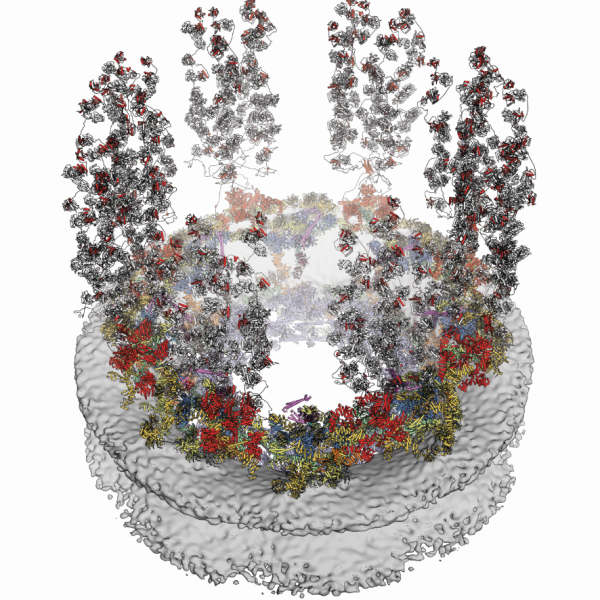
After almost two decades of synchrotron experiments, Caltech scientists have captured a clear picture of a cell’s nuclear pores, which are the doors and windows through which critical material in your body flows in and out of the cell’s nucleus...