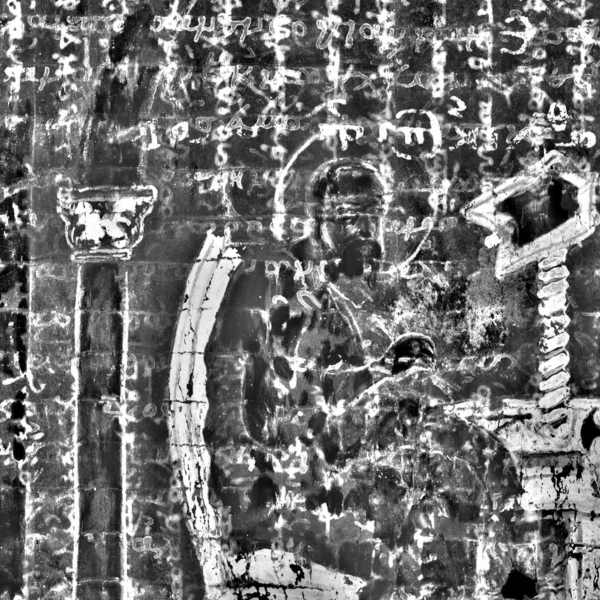
For five days in May, the ancient collided with the ultra-modern at the Stanford Linear Accelerator Center (SLAC), bringing brilliant, long-hidden ideas to light with brilliant X-ray light.
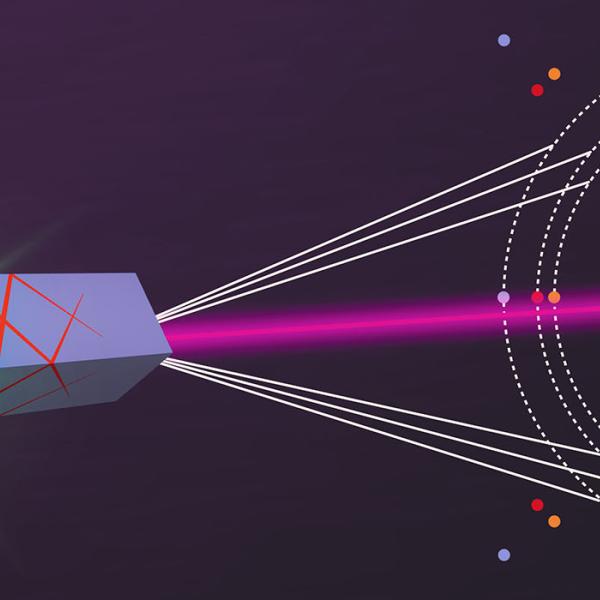
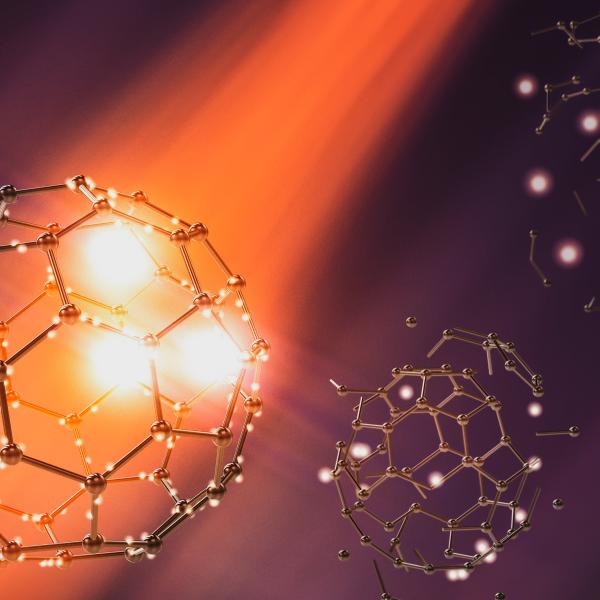
One-quintillionth of a second lasing breakthrough could lead to next-generation X-ray technologies, improving imaging in medical, material, and quantum science.
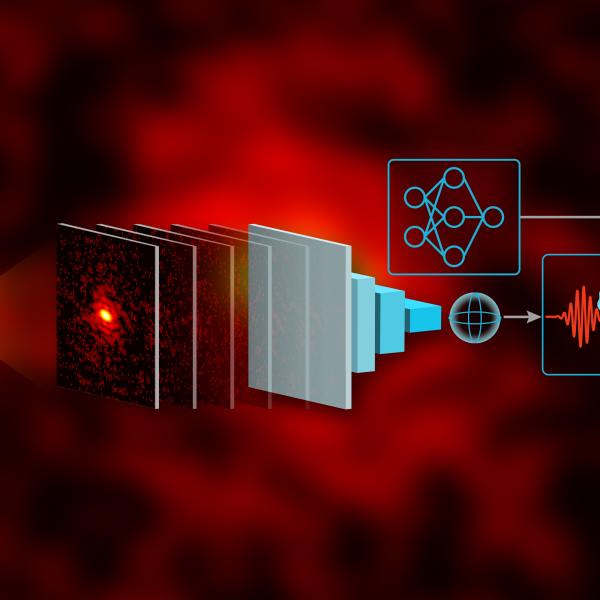
The SLAC team is developing digital twins – powered by AI and high-performance computing – to help quickly shape high-quality particle beams for the lab’s X-ray and ultrafast facilities.
An upgrade to SLAC’s renowned Linac Coherent Light Source will allow it to deliver X-ray laser beams that are 10,000 times brighter with pulses that arrive up to a million times per second.