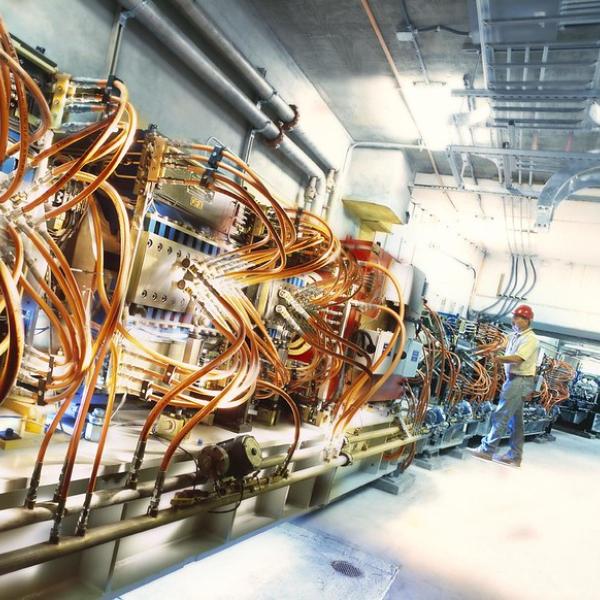
This movie introduces LCLS-II, a future light source at SLAC. It will generate over 8,000 times more light pulses per second than today’s most powerful X-ray laser, LCLS, and produce an almost continuous X-ray beam that on average will be...
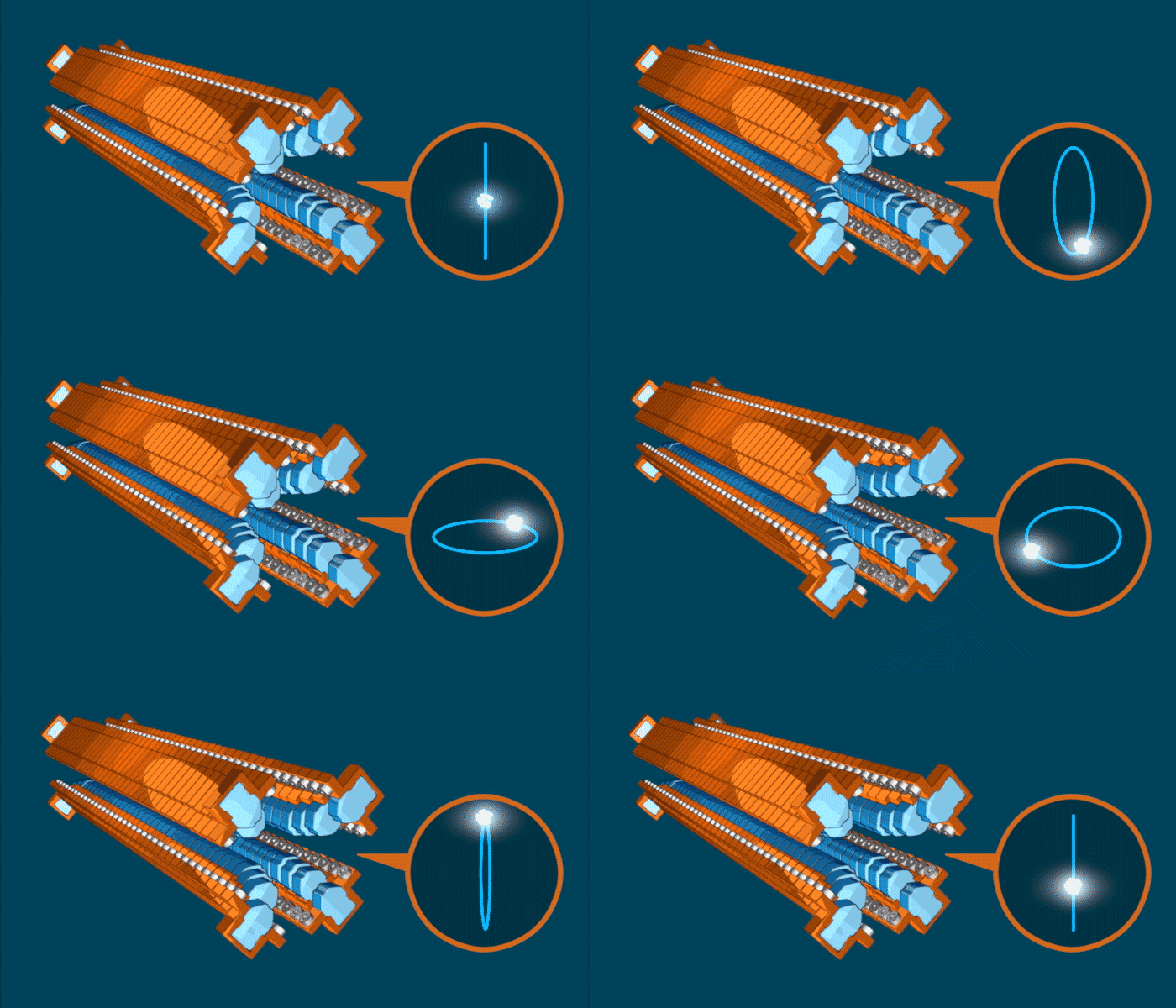
The side-to-side motion of electrons in a beam can be circular, elliptical, or linear, depending on the position of the Delta undulator's magnet rows. These different motions then create circular, elliptical, or linear polarization in the light pulse.
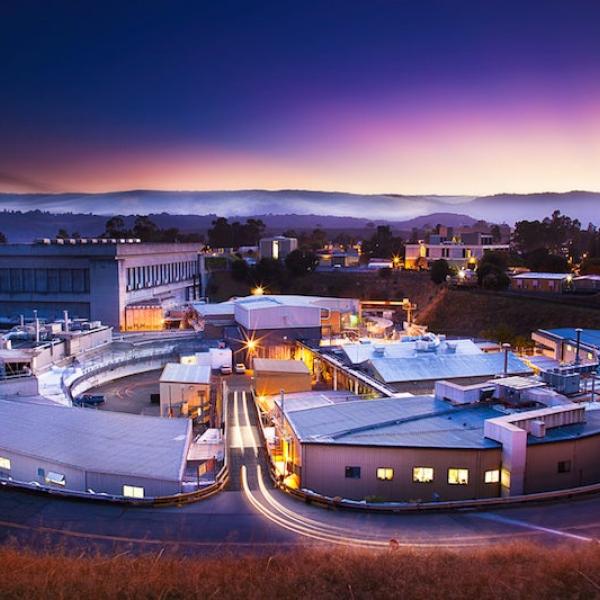
The Stanford Synchrotron Radiation Lightsource (SSRL), a directorate of the SLAC National Accelerator Laboratory, is an Office of Science User Facility operated for the U.S. Department of Energy by Stanford University. SSRL provides synchrotron radiation, a name given to x-rays...