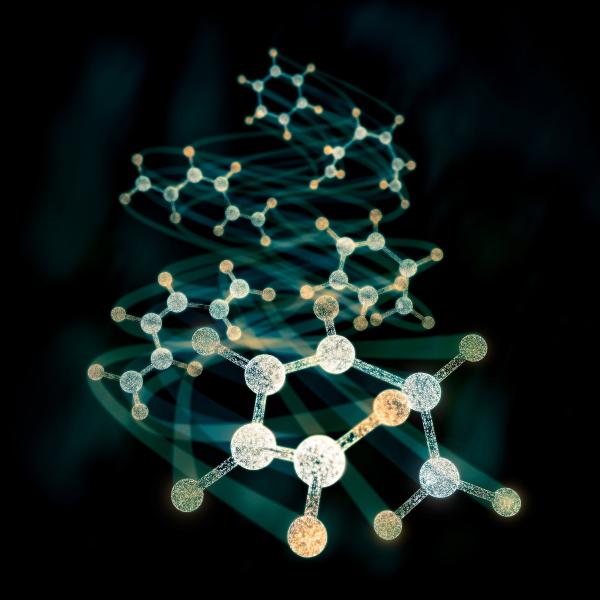
This illustration shows snapshots of the light-triggered transition of the ring-shaped 1,3-cyclohexadiene (CHD) molecule (background) to its stretched-out 1,3,5-hexatriene (HT) form (foreground).
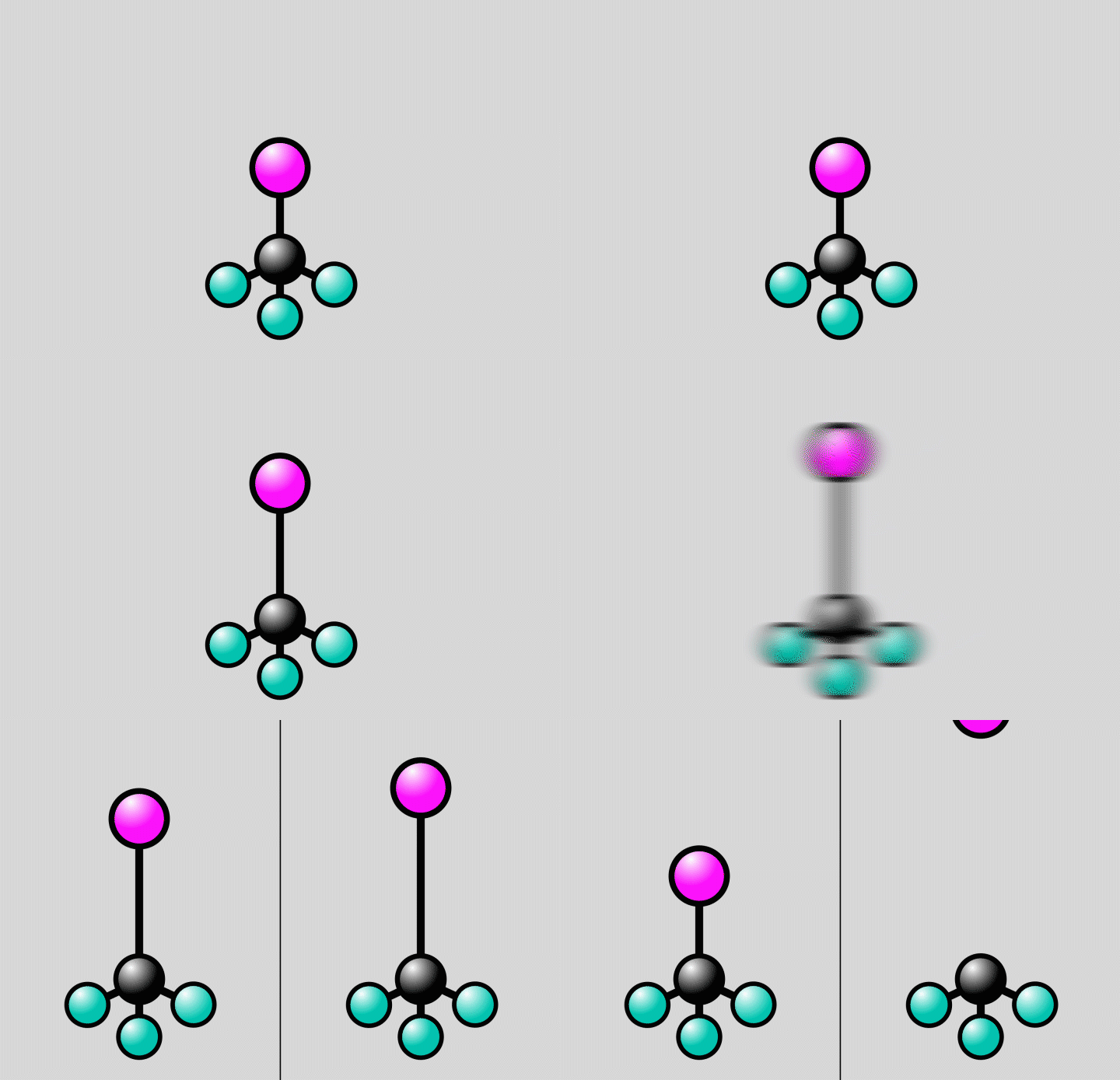
Animation of a trifluoroiodomethane molecule (carbon shown in black, fluoride in green, iodine in pink) responding to laser light. The light flash stretches the bond between the carbon and iodine atoms to a point where the bond can either break...
This video explains how researchers at SLAC are using a method known as ultrafast electron diffraction (UED) to develop an atomic-level understanding of how metals melt, which could help them design materials for applications where materials have to withstand extreme...
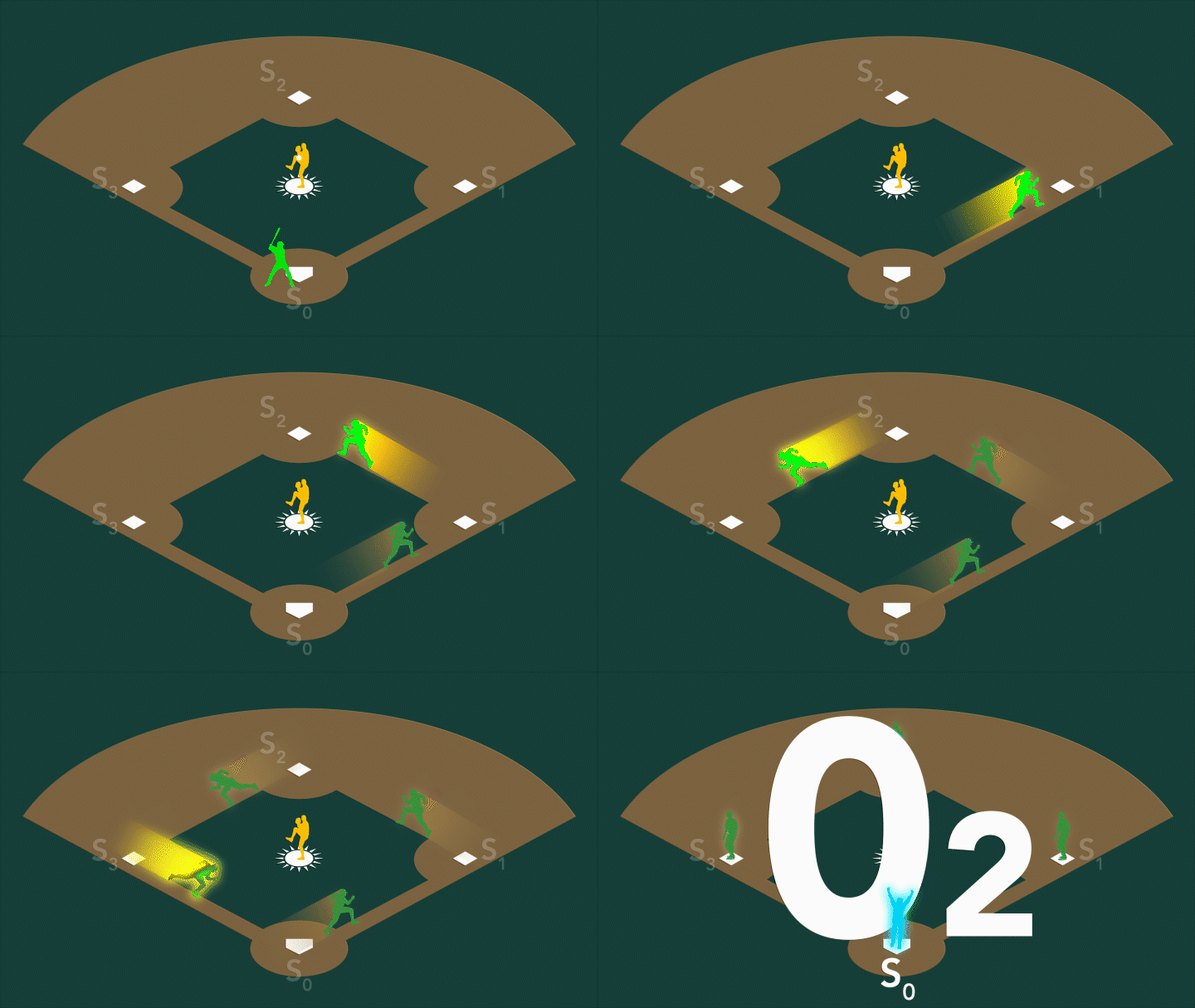
In photosystem II, the water-splitting center cycles through four stable states, S0-S3. On a baseball field, S0 would be the start of the game when a batter on home base is ready to hit.
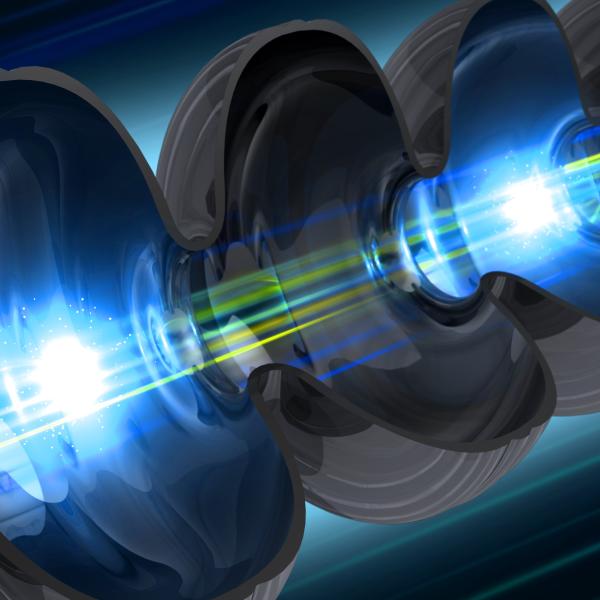
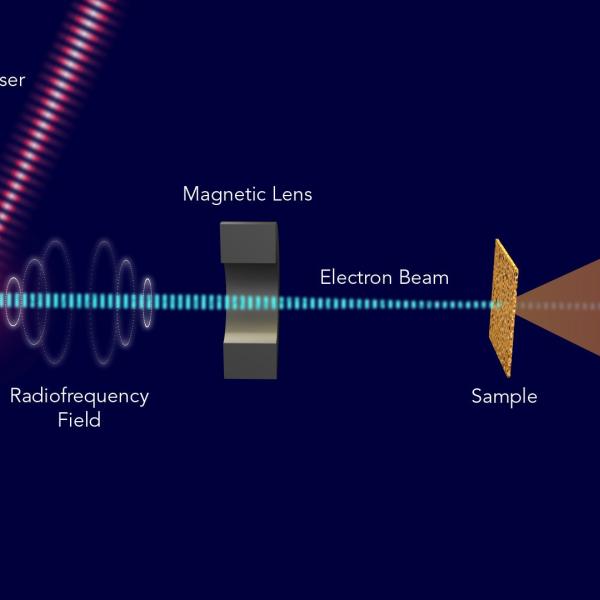
Schematic of SLAC’s new apparatus for ultrafast electron diffraction – one of the world’s fastest “electron cameras” – researchers can study motions in materials that take place in less than 100 quadrillionths of a second.
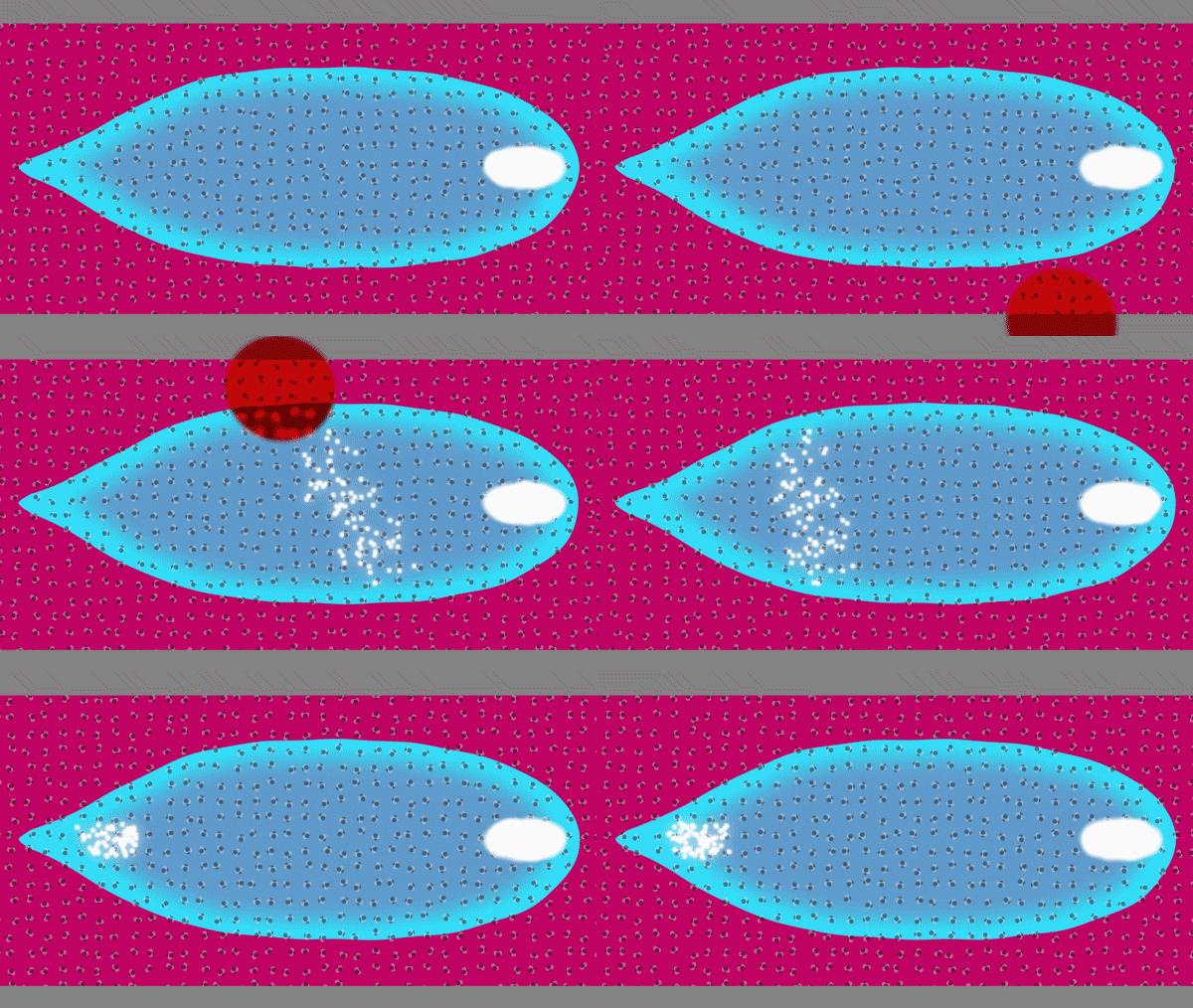
Animation illustrating the concept of the Trojan horse method. An electron bunch from SLAC’s FACET facility (bright spot at right) passes through hydrogen plasma (purple).
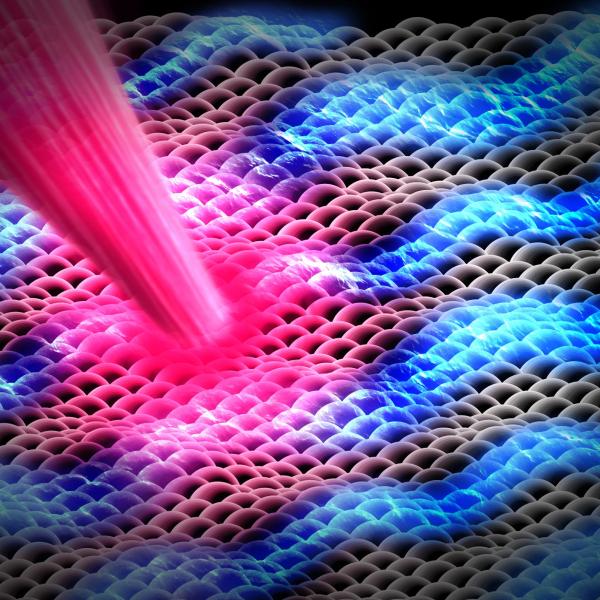
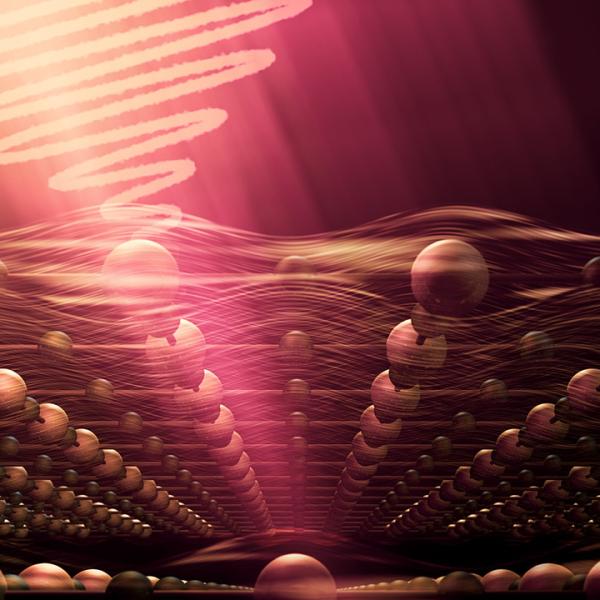
Researchers used SLAC’s ultrafast electron diffraction (UED) as an electron camera to take snapshots of a three-atom-thick layer of a promising material as it wrinkles in response to a laser pulse.