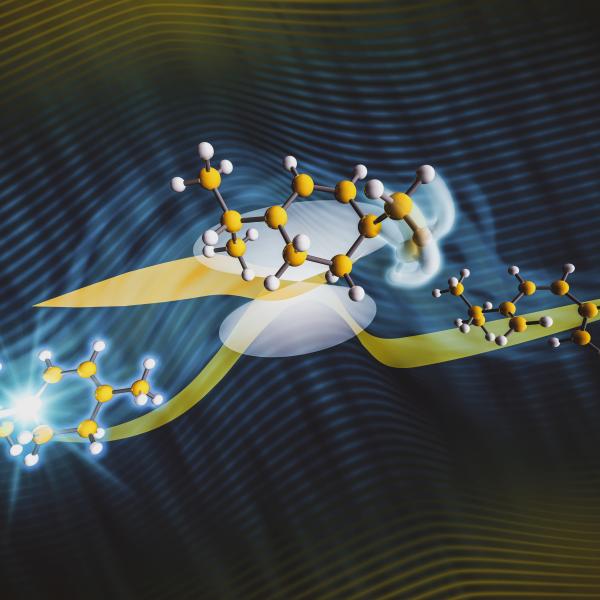
Chemical reactions often involve intermediate steps that are too fast and complex for us to see – even using our most advanced scientific instruments. Combining two X-ray spectroscopy techniques has now been shown to change that.
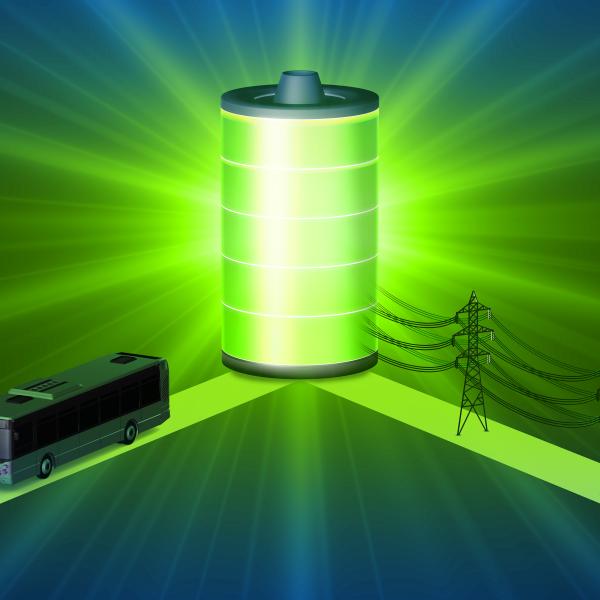
Batteries come in many shapes and sizes, but their materials can be hard to source. SLAC researchers are trying to build them with more abundant and ethical elements.
Lead Scientist, Stanford Synchrotron Radiation Lightsource (SSRL)
Areas of research: X-ray and ultrafast science; energy sciences; X-ray microscopy and X-ray characterization of materials far from equilibrium; energy storage; battery research; 3D metal printing
Division Director of Structural Molecular Biology (SMB), Stanford Synchrotron Radiation Lightsource (SSRL)
Areas of research: structural biology; X-ray crystallography; synchrotrons and X-ray free-electron lasers; COVID-19 research and drug discovery; protein dynamics; experimental automation
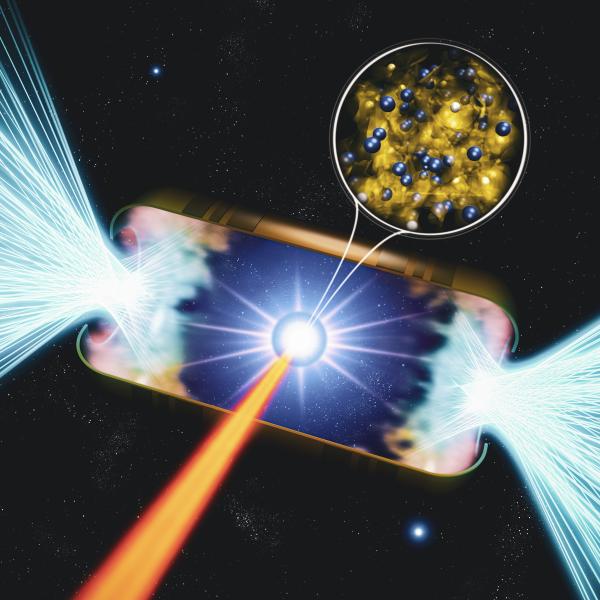
The research could lead to a better understanding of how metals behave under extreme conditions, which will aid in the development of more resilient materials.